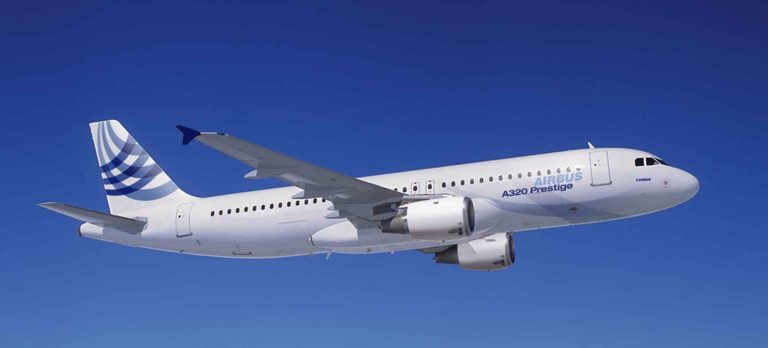
Private Jet PrivateJetia 018
Owning a private jet comes with a host of advantages, but it also brings along significant tax considerations. In 2025, private jet owners have access to a variety of tax incentives designed to offset ownership costs and encourage responsible business practices. By legally leveraging these tax incentives, owners can reduce their tax liabilities, make ownership more financially viable, and even create new avenues for business growth.
In this guide, we explore creative strategies to legally capitalize on private jet tax incentives, ensuring that jet owners fully benefit from the opportunities available in 2025.
- Tax Incentives for Sustainable Aviation Fuel (SAF) Usage
The growing emphasis on sustainability has led many governments to introduce tax incentives for jet owners who adopt Sustainable Aviation Fuel (SAF). SAF is a cleaner alternative to conventional jet fuel and is part of efforts to reduce the carbon footprint of aviation.
1.1. SAF Tax Credits
Many jurisdictions now offer tax credits to private jet owners who use SAF in their operations. These credits are intended to encourage the adoption of greener fuels by offsetting the typically higher costs of SAF compared to conventional jet fuel. In 2025, it’s expected that more countries will expand these tax incentives, providing owners with financial relief for every gallon of SAF used.
- Example: A jet owner using SAF could qualify for a tax credit based on the volume of SAF purchased. These credits can be deducted directly from the owner’s tax liability, making the switch to SAF a financially viable option.
1.2. Carbon Offset Programs
In addition to fuel credits, owners of private jets who invest in carbon offset programs could benefit from tax deductions. Carbon offset programs are designed to neutralize the environmental impact of jet emissions by funding projects that reduce or capture carbon, such as reforestation or renewable energy initiatives.
- How to Leverage: If you use your private jet frequently for business, participating in carbon offset programs can create both environmental benefits and tax incentives. Documenting your participation in these programs and applying for carbon offset tax credits can help reduce your overall tax burden.
- Depreciation Deductions: Maximizing Your Tax Savings
One of the most significant financial benefits of owning a private jet is the ability to claim depreciation deductions. These deductions allow you to offset the cost of the aircraft over time, reducing your taxable income.
2.1. Accelerated Depreciation
Under current tax law, private jet owners can depreciate their aircraft through accelerated depreciation schedules. This allows for a larger deduction in the initial years of ownership. The Modified Accelerated Cost Recovery System (MACRS) is commonly used for aircraft depreciation, enabling owners to write off the bulk of the aircraft’s value within a short timeframe, typically over five to seven years.
- Example: If you purchase a jet for $10 million, you may be able to depreciate up to 100% of the cost in the first few years, subject to the applicable IRS regulations. This immediate deduction can significantly reduce your tax liability in the short term.
2.2. Bonus Depreciation
In addition to standard depreciation, bonus depreciation allows owners to deduct a substantial portion of the cost of their private jet in the year of purchase. As of 2025, bonus depreciation can often be as high as 100% of the purchase price, allowing jet owners to offset large amounts of income in a single tax year.
- Strategic Use: For business owners using their private jet for significant business-related travel, bonus depreciation can create an immediate and large tax-saving benefit. By strategically purchasing a jet during a high-income year, you can reduce your taxable income and make the investment even more attractive.
- Tax Benefits of Business Use of Private Jets
If you use your private jet for business purposes, you can take advantage of several tax benefits tied to business use.
3.1. Business Use Deduction
The IRS allows private jet owners to deduct a portion of their operating expenses for business-related flights. These expenses include fuel, maintenance, crew salaries, and insurance premiums. To qualify for these deductions, the jet must be used predominantly for business purposes, and accurate records must be kept.
- How to Leverage: Keep a detailed log of your flights, documenting the purpose of each trip (business or personal). The IRS allows you to claim deductions for flights taken for client meetings, business events, and other professional activities. It is important to distinguish personal use, as this will limit your eligible deductions.
3.2. Leasebacks and Fractional Ownership for Tax Efficiency
Another strategy for business owners is the leaseback arrangement, where the jet is owned by one entity but leased to another (typically a related business) for its use. This creates a scenario in which the leasing company can deduct expenses related to the aircraft, such as maintenance and operational costs.
- How to Leverage: Business owners can create a structure where the private jet is owned by a holding company and then leased to their operating company. The operating company can deduct the lease payments, while the holding company benefits from the depreciation and other tax incentives.
3.3. Passenger Taxation for Business Flights
In certain jurisdictions, there are tax incentives related to the number of passengers on a business flight. This could involve deductions related to the number of passengers on a business trip, particularly if the jet is used to transport executives or clients. Some jurisdictions offer exemptions or reductions on taxes for specific business passenger arrangements.
- How to Leverage: If your private jet is used to transport clients or business partners, you may be able to claim deductions related to the cost of flights, including travel time and specific operational expenses. Ensure that you track all travel details, including who was aboard and the business purpose of the flight.
- Taking Advantage of International Tax Incentives
If you operate your private jet internationally, you may also be eligible for international tax credits and incentives that can help offset the cost of ownership. These incentives are especially relevant if your private jet flies between countries with favorable tax treaties or offers tax incentives for private aviation.
4.1. Cross-Border VAT and Sales Tax Exemptions
In some jurisdictions, private jets purchased for international business purposes may qualify for VAT exemptions or sales tax relief. This can be particularly valuable if your jet will frequently travel across borders. For example, the European Union and other regions offer VAT exemptions on private jet purchases if the aircraft is used for business purposes.
- How to Leverage: Research international tax treaties that may exempt you from sales tax or VAT on the purchase of your aircraft. Additionally, some countries allow for sales tax rebates if your aircraft is used primarily for business in specific regions.
4.2. Offshore Ownership Structures
To optimize tax savings, some private jet owners choose to create offshore ownership structures, such as placing their aircraft in a low-tax jurisdiction. These structures can help reduce the overall tax burden on the aircraft by taking advantage of favorable tax policies in certain countries.
- How to Leverage: Consult with legal and tax professionals who specialize in international aviation taxation. They can help structure your private jet ownership in a way that minimizes tax exposure and maximizes the benefits of international tax incentives.
- Engage Professional Expertise for Strategic Tax Planning
Given the complexity of private jet tax incentives, it is essential to work with professionals who specialize in aviation tax law and accounting. These experts can help you identify and leverage all available tax breaks, ensure compliance with local and international tax regulations, and guide you through the evolving landscape of private jet taxation.
5.1. Tax Professionals and Aviation Consultants
Engage with aviation consultants who are familiar with the latest tax laws and incentives. These professionals can provide tailored strategies to maximize your tax efficiency, including how to structure ownership, how to qualify for deductions, and how to implement a tax-efficient operating strategy.
- Conclusion: Maximizing Your Private Jet’s Tax Incentives in 2025
Leverage the full range of private jet tax incentives available in 2025 with a strategic and creative approach. By taking advantage of depreciation deductions, tax credits for eco-friendly initiatives, and business use deductions, jet owners can reduce their tax liabilities while benefiting from the financial advantages of private jet ownership.
Staying informed about changing regulations, seeking expert advice, and maintaining careful records will ensure that you maximize the opportunities available. With the right strategies in place, owning a private jet can be both a financially rewarding and tax-efficient investment.