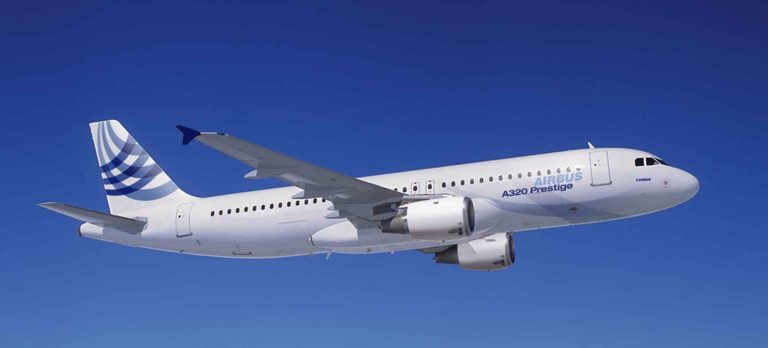
Astra/Gulfstream 1125
The purchase and operation of a private jet is a significant financial commitment, often accompanied by a variety of tax implications. These include purchase-related taxes, ongoing operational expenses, and, in many cases, hefty depreciation. Tax exposure for private jet owners can be substantial, but with the right knowledge and strategies, it is possible to legally minimize this exposure while still enjoying the benefits of aircraft ownership.
In this article, we will explore how to navigate the complex legal landscape of private jet tax exposure and identify creative strategies that business owners, high-net-worth individuals, and corporate entities can use to optimize their financial situation. We’ll discuss various legal frameworks, tax planning techniques, and strategies to maximize deductions and minimize tax liabilities—all while staying within the bounds of the law.
- Understanding Private Jet Tax Exposure
Before diving into strategies for minimizing tax exposure, it’s important to understand what constitutes tax exposure for private jet owners. Tax exposure refers to the potential for incurring tax liabilities due to ownership or use of the aircraft. This exposure can manifest in several ways:
Sales Tax: When purchasing a private jet, sales tax can be a significant burden depending on the jurisdiction. Sales tax can range from a few percentage points to as high as 10% or more.
Depreciation Recapture: While depreciation can provide tax benefits over time, if the aircraft is sold, the IRS may require the owner to “recapture” some of those benefits, meaning that the previous deductions could be subject to taxation.
Operational Expenses: Ongoing operational costs, including fuel, maintenance, crew salaries, and insurance, can contribute to ongoing tax exposure if not properly managed.
Use Tax: Some jurisdictions impose a use tax on aircraft operated within their boundaries, even if they were purchased outside the jurisdiction.
- Creative Legal Strategies to Minimize Private Jet Tax Exposure
Now that we have a general understanding of tax exposure, let’s explore creative legal strategies for minimizing it. The key to minimizing tax exposure lies in careful planning, strategic use of tax laws, and proper structuring of aircraft ownership and operations.
- Leverage Accelerated Depreciation
One of the most powerful tools available to minimize private jet tax exposure is accelerated depreciation. In the United States, under Section 179 of the Internal Revenue Code, businesses can claim depreciation on the aircraft much more quickly than traditional methods. By deducting the cost of the jet in the first year of ownership (up to the allowed limit), businesses can significantly reduce their taxable income. Here are some points to consider:
Section 179 Deduction: This deduction allows for the full deduction of the purchase price of new or used aircraft, up to a limit of $1,160,000 in 2025. If your aircraft qualifies, you can take this deduction in the first year, which is especially beneficial for businesses looking to reduce their overall taxable income.
Bonus Depreciation: In addition to Section 179, the Tax Cuts and Jobs Act allows businesses to take 100% bonus depreciation for new and used aircraft. This means that, in the first year of ownership, a significant portion (or even the entire purchase price) of the jet can be deducted from the business’s taxable income.
However, these depreciation strategies come with conditions. For example, the aircraft must be used for business purposes for at least 51% of the time. Therefore, owners who use their aircraft for personal travel may not be eligible for these full deductions unless they meet the usage threshold.
- Consider Leasing the Aircraft
For many jet owners, leasing the aircraft to a third party or leasing it back to their own business can be a smart way to reduce tax exposure. When leasing the jet, the owner can treat lease payments as business expenses, thus reducing taxable income. Additionally, the aircraft can remain under the ownership of the individual or business while still receiving tax benefits from leasing.
There are several options to explore:
Lease-back arrangements: In this structure, the jet is sold to a leasing company or another entity, and then leased back to the original owner. This allows the owner to receive income from the lease while still retaining operational control over the aircraft.
Third-party leasing: Leasing the aircraft to another company or individual may qualify the owner for deductions related to depreciation and operational expenses while also generating income to offset the operational costs.
Leasing can also help avoid some of the complexities of depreciation recapture, as the aircraft is technically no longer owned by the lessee, but remains a lease asset.
- Use a Tax-Exempt Entity or Aircraft Management Company
Some owners choose to minimize their tax exposure by establishing a separate aircraft management company or creating a tax-exempt entity that owns the jet. This strategy can be particularly useful for high-net-worth individuals and businesses that want to reduce both personal and corporate tax exposure.
The key benefit of this strategy is the ability to deduct a variety of operational expenses, such as maintenance, pilot salaries, and insurance, by running them through the management company. Additionally, a separate company can allow for greater flexibility in managing how and when expenses are booked.
Tax-exempt organizations: Some owners may opt to structure their private jet ownership through a nonprofit or charitable organization that qualifies for tax-exempt status. If the aircraft is used for charitable purposes, such as transporting medical patients or delivering humanitarian aid, the entity may qualify for certain tax exemptions and deductions. However, this strategy requires careful planning to ensure compliance with IRS regulations and avoid any misuse of the nonprofit status.
Aircraft management company: Establishing a management company that leases the jet to the owner or another business entity can provide tax benefits by separating the ownership and operation of the aircraft. The management company can handle all aspects of the jet’s operations, while the owner may continue to use it for business and personal purposes without bearing the full tax burden.
- Explore State Sales Tax Exemptions
In the U.S., state sales tax can be a significant cost when purchasing a private jet. However, some states offer exemptions for certain aircraft purchases. These exemptions can drastically reduce the overall cost of purchasing an aircraft. Here are a few states that offer attractive sales tax exemptions:
Florida: Florida offers a sales tax exemption for aircraft purchased by businesses that will be used for business purposes. In many cases, this can eliminate or reduce sales tax liabilities on the initial purchase of the aircraft.
Texas: Texas also provides a sales tax exemption for aircraft used in business operations, such as for charter services or corporate travel.
California: California’s sales tax rules are more restrictive but can still offer exemptions if the aircraft is used primarily for business purposes.
Before making a purchase, it is crucial to work with a tax advisor to understand which states provide the best exemptions based on where the aircraft will be based and used.
- Consider Fractional Ownership or Timeshare Arrangements
For individuals or businesses that only require occasional use of a private jet, fractional ownership or timeshare arrangements may be an excellent solution. These models allow multiple parties to co-own a jet, sharing both the purchase price and the operational costs. In some cases, these arrangements can offer certain tax advantages, especially when it comes to operating expenses and depreciation.
Fractional ownership programs, such as those provided by NetJets or Flexjet, allow owners to purchase a share of an aircraft and only pay for the time they use it. This can significantly reduce the operational costs and tax exposure of full ownership while still offering the convenience of private aviation.
- International Tax Considerations for Jet Owners
For those who own or operate private jets internationally, there are additional tax considerations to navigate. The international tax landscape can be highly complex, and private jet owners must consider both local tax laws and international treaties. Some strategies to minimize international tax exposure include:
Registering the aircraft in a tax-friendly jurisdiction: Some owners choose to register their aircraft in countries with low or no VAT, such as the Isle of Man, Guernsey, or Malta, to reduce ongoing tax liabilities.
International leasing arrangements: In some jurisdictions, leasing the aircraft can allow the owner to avoid certain taxes and still maintain access to the aircraft. Proper structuring of international lease agreements can help minimize taxes on aircraft use across borders.
- Staying Compliant: The Importance of Tax Planning
The strategies for minimizing private jet tax exposure must be executed with extreme care. Tax audits and penalties are a real risk if the IRS or other tax authorities determine that improper strategies or structures have been employed. Ensuring compliance with tax laws is critical for any strategy to be effective.
Working with a tax advisor who specializes in aviation and corporate tax law is essential to avoid any legal missteps. Additionally, keeping meticulous records of aircraft usage, maintenance, and operational costs is key to proving compliance in case of an audit.
Conclusion
Minimizing your private jet tax exposure requires a mix of strategic planning, legal expertise, and compliance with ever-changing tax laws. Whether through accelerated depreciation, leasing arrangements, or taking advantage of state sales tax exemptions, there are numerous ways to reduce the financial burden associated with private jet ownership. The key is to leverage legal strategies creatively while staying within the bounds of the law.
With the right approach and expert guidance, jet owners can legally minimize their tax liabilities, maximize operational efficiency, and enjoy the benefits of private aviation without the financial drawbacks.