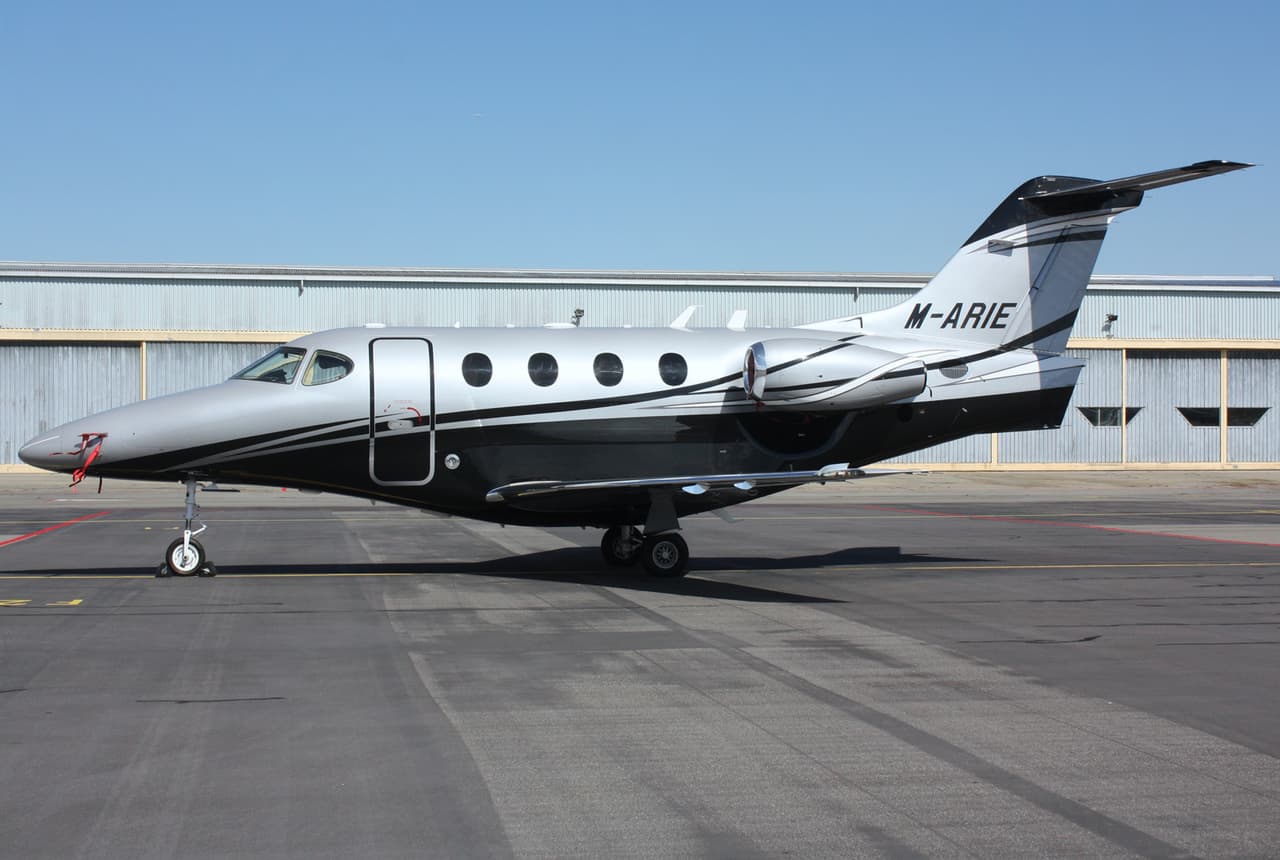
Beechcraft Premier1A
When it comes to owning or operating a private jet, one of the most crucial yet often overlooked aspects is understanding the intricacies of private jet taxation. Whether you’re a first-time owner, an experienced business executive, or a high-net-worth individual, navigating the world of aviation taxes can be overwhelming without the right strategies. However, by taking a strategic approach, you can leverage tax benefits, minimize liabilities, and avoid common pitfalls.
This comprehensive guide will delve into the legal aspects of private jet taxation, offering expert tips and insights on how to maximize your tax benefits, stay compliant with federal and state laws, and ensure you’re operating within the boundaries of the law. From aviation-specific tax advantages to key legal structures and deductions, we’ll cover everything you need to know.
- The Basics of Private Jet Taxation
Before diving into advanced strategies, it’s important to understand the fundamentals of private jet taxation. The IRS treats private aircraft differently than other assets, and knowing how to classify and use your aircraft will determine your tax obligations.
Sales Tax on Aircraft Purchases
When purchasing a private jet, one of the initial concerns is the sales tax. Many states in the U.S. impose a sales tax on the purchase of aircraft, and the rate can vary widely. Some states, like Delaware, Nevada, and Montana, are considered tax-friendly for aircraft purchases because they don’t impose sales tax on aircraft transactions. This makes them popular choices for buyers seeking to minimize upfront tax costs.
However, even if you purchase the jet in a state with no sales tax, if you move the jet to another state for use, that state may impose its own use tax. The same applies to international purchases; each country has different rules for taxes on imported aircraft, which may include Value Added Tax (VAT) or customs duties.
Federal Aviation Tax: Fuel Taxes
In addition to sales tax, another tax to be aware of is the federal fuel tax. Private jet owners are required to pay a federal tax on aviation fuel used for both domestic and international flights. The current federal tax rate for aviation fuel is around 21.9 cents per gallon for jet fuel and 4.4 cents per gallon for aviation gasoline. While this is typically paid by the operator or flight provider, it can be important for owners to understand how these costs factor into the overall expense of operating a private jet.
- Ownership Structures and Their Tax Implications
One of the most critical decisions for any private jet owner is choosing the right ownership structure. Your choice of ownership will significantly impact how your jet is taxed, how much you can depreciate, and what deductions you can claim.
Sole Ownership vs. Shared Ownership
A sole ownership model means that one individual or entity owns the entire aircraft. This structure offers maximum control but also exposes the owner to full tax responsibilities. You can take advantage of tax benefits such as depreciation, operating cost deductions, and fuel tax credits as long as the jet is used for business purposes at least 51% of the time.
On the other hand, shared ownership, which can involve fractional ownership or aircraft leasing, offers a way to reduce the financial burden of ownership by sharing expenses and operational duties with others. Fractional owners can also benefit from certain tax deductions based on their usage percentage, but these arrangements require more complex legal and tax structures.
For businesses, a corporate ownership structure can be ideal, especially if the jet will be used primarily for business travel. Corporate ownership allows you to write off a significant portion of the aircraft’s expenses, including depreciation and maintenance costs, and to keep flight operations more streamlined under the company’s legal and financial framework.
Leasing and Tax Deductions
Leasing your private jet to others can also be a highly tax-efficient strategy. Aircraft leasing allows the owner to deduct expenses related to the aircraft, including depreciation and maintenance costs. The lessee may also claim certain deductions if the aircraft is used for business purposes. However, the IRS scrutinizes lease arrangements closely to ensure they are legitimate. The terms of the lease must be structured properly to avoid being classified as a sham lease, which could trigger penalties.
- Maximizing Tax Deductions: The Depreciation Benefit
One of the most powerful tax advantages of owning a private jet is the ability to depreciate the aircraft. Depreciation allows jet owners to write off the cost of their jet over time, which can result in significant tax savings. However, the IRS has strict rules regarding how depreciation can be claimed, and it is essential to follow them to avoid tax penalties.
Section 179 Deduction
Under Section 179 of the IRS tax code, private jet owners may be able to immediately deduct the full purchase price of the jet (up to a certain limit) in the year of purchase. This deduction is often seen as a bonus depreciation option, enabling owners to deduct a substantial portion of the aircraft’s purchase price right away rather than spreading it out over several years.
However, there are a few conditions you must meet to take full advantage of this benefit:
- The jet must be used for business purposes at least 51% of the time.
- The aircraft must be new or new to you (i.e., a pre-owned jet that was not previously used in your business).
- The purchase must be completed within the tax year for which you wish to claim the deduction.
The Section 179 deduction is capped annually, so it is crucial to keep track of your total deductions to ensure compliance with the IRS rules.
Bonus Depreciation
In addition to Section 179, private jet owners can also benefit from bonus depreciation under the Tax Cuts and Jobs Act (TCJA). This allows owners to depreciate the entire value of the aircraft in the first year of ownership, providing a substantial upfront tax benefit. The bonus depreciation rate currently stands at 100% for jets placed in service before 2023.
It is important to note that bonus depreciation applies only to aircraft that are used for business purposes and not primarily for personal enjoyment. The IRS has detailed rules for determining what constitutes “business use,” and owners should maintain thorough records to substantiate their claims.
- Business Use vs. Personal Use: The 51% Rule
One of the most critical aspects of private jet taxation is understanding the 51% business-use rule. In order to qualify for business-related tax deductions and depreciation, your aircraft must be used for business purposes at least 51% of the time. This applies to both the aircraft itself and the associated expenses.
The IRS scrutinizes how private jets are used and will require owners to provide records to substantiate business use, such as:
- Flight logs showing the purpose of each flight (business vs. personal)
- Passenger manifests or invoices for business-related flights
- Maintenance and operational records documenting business travel hours
If the aircraft is used for personal purposes more than 49% of the time, you may be subject to tax penalties and reduced deductions. This is why it’s critical to track every flight and ensure compliance with the 51% rule.
- State and International Tax Considerations
In addition to federal tax laws, private jet owners must also be aware of state-specific taxes and international tax implications.
State Tax Considerations
Different states have varying regulations concerning sales tax, property tax, and use tax for private jets. As mentioned earlier, states like Delaware, Nevada, and Montana are known for their tax-friendly policies when it comes to private jet purchases. However, once you bring the jet into another state, it may become subject to that state’s taxes.
For example, California imposes sales tax on aircraft purchased for use in the state, even if the aircraft is initially purchased elsewhere. Similarly, Florida and Texas may have use taxes on aircraft based in the state.
International Tax Issues
Private jet owners who operate their aircraft internationally face additional tax challenges. For example, the European Union (EU) imposes VAT on aircraft sales and lease transactions, and different countries have varying tax rules on fuel, maintenance, and other aviation-related costs.
For international jet owners, structuring ownership through offshore jurisdictions may help mitigate tax liabilities, as certain countries offer tax exemptions or lower rates for aircraft ownership. However, these arrangements are complex and require expert legal and tax advice to ensure compliance with international tax laws.
- Navigating the Legalities of Private Jet Taxation
In addition to tax planning, private jet owners must stay compliant with legal regulations. Working with a specialized aviation tax attorney or accountant who understands both aviation law and tax regulations is critical to ensuring that you meet all legal requirements and avoid costly mistakes.
Here are a few legal best practices to follow:
- Consult with professionals: Aviation tax lawyers, accountants, and financial planners can provide invaluable insights and help you structure ownership and operations to maximize tax benefits.
- Keep meticulous records: Detailed documentation of business and personal use is crucial to avoiding IRS
audits.
- Review tax laws regularly: Tax laws change frequently, so staying informed about the latest tax reforms, such as changes in bonus depreciation or sales tax exemptions, is essential.
Conclusion
Understanding and navigating private jet taxation is complex, but with the right strategies, you can maximize your tax benefits while staying compliant with the law. By carefully considering ownership structures, leveraging depreciation opportunities, and staying informed about state and international tax laws, you can make informed decisions that reduce tax liabilities and enhance the value of your investment.
For those who are serious about private jet ownership, partnering with experienced professionals and employing tax-smart strategies is key to ensuring that your aircraft remains a profitable asset for years to come.


