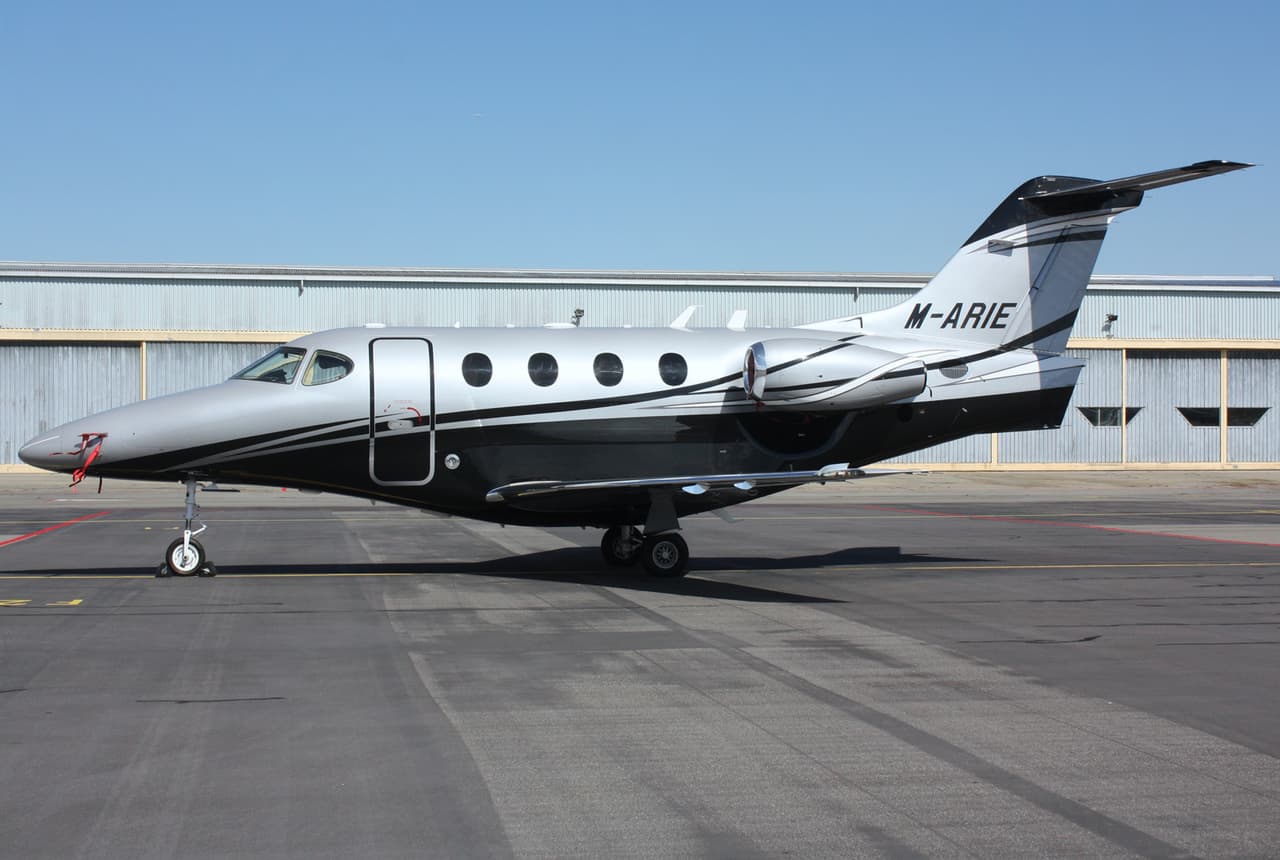
Beechcraft Premier1A
Owning a private jet comes with immense benefits, from unparalleled convenience to prestige and status. However, it also introduces significant financial responsibilities, particularly in terms of taxes. The tax implications of private jet ownership can be complex, and navigating these waters requires careful planning and strategic legal insight. Optimizing your private jet’s tax position not only helps reduce expenses but also ensures long-term financial efficiency.
In this guide, we will explore several creative strategies for legally optimizing your private jet’s tax position. From understanding ownership structures to leveraging international tax treaties, we will cover the best practices and legal techniques that allow private jet owners to reduce their tax liabilities while remaining compliant with the law.
- Understanding Ownership Structures for Tax Efficiency
One of the first steps in optimizing the tax position of your private jet is to carefully choose its ownership structure. The way a jet is owned can significantly impact its tax treatment, operational costs, and even depreciation options. There are several ownership structures that can help reduce taxes while providing flexibility in operations.
1.1 Direct Ownership
Direct ownership involves purchasing the jet in your name or through a business entity you control. This structure offers complete control over the asset, but it also places the full burden of tax liability on the owner. While direct ownership may be suitable for individuals who use the jet exclusively for personal purposes, it is not always the most tax-efficient strategy for high-net-worth individuals or businesses.
One advantage of direct ownership, however, is the ability to fully deduct operational costs, such as maintenance, insurance, and crew salaries. Additionally, if the jet is used for business purposes, the owner may be able to deduct a portion of the jet’s depreciation, reducing taxable income.
1.2 Lease Structures
Leasing can be a more tax-efficient option for private jet ownership. There are two main types of lease structures: operating leases and finance leases.
Operating Lease: Under an operating lease, the lessor (owner) leases the jet to a lessee (user) for a specified period. The lessee enjoys the benefits of using the jet without assuming ownership. From a tax perspective, the lessee can deduct lease payments as business expenses, while the lessor can benefit from depreciation deductions. An operating lease is often used when the jet is needed for business purposes or when the owner wants to retain ownership for future sale.
Finance Lease: In a finance lease, the lessee essentially purchases the jet in installments, with the option to buy it outright at the end of the lease term. This structure is often used when the jet is used primarily for business or commercial purposes. The lessee can claim depreciation on the aircraft, as well as deduct interest payments on the lease as a business expense.
1.3 Special Purpose Vehicle (SPV)
A Special Purpose Vehicle (SPV) is a separate legal entity set up specifically for owning the private jet. This structure can provide significant tax benefits, particularly for international investors. By placing the jet in an SPV, the owner can isolate liabilities, separate business assets from personal assets, and take advantage of tax incentives available to business entities.
Additionally, an SPV can offer more flexibility in terms of transferring ownership, shielding the aircraft from personal liability, and potentially reducing sales tax and other associated taxes. It is essential, however, to carefully structure the SPV to ensure compliance with both local and international tax laws.
- Maximizing Depreciation Benefits
Depreciation is one of the most powerful tools in reducing tax liabilities associated with private jet ownership. The U.S. tax code, for instance, allows business owners to depreciate their aircraft over a set period, significantly reducing their taxable income.
2.1 Accelerated Depreciation
One of the key advantages of owning a private jet through a business entity is the ability to accelerate depreciation. Under the Modified Accelerated Cost Recovery System (MACRS), private jet owners can depreciate the aircraft over five or seven years, depending on its usage. The most notable benefit of this method is that it allows for larger depreciation deductions in the early years of ownership.
In the U.S., Section 179 of the tax code allows jet owners to immediately deduct a large portion of the jet’s purchase price in the first year, subject to certain conditions. For business owners who use the jet predominantly for business purposes, this provision can drastically reduce taxable income and accelerate the recovery of the aircraft’s purchase cost.
2.2 Business Use and Tax Deductions
To maximize depreciation and tax deductions, it’s essential that the jet is used for business purposes. The more the jet is used for business, the greater the potential tax deductions. However, if the jet is used for both personal and business purposes, the expenses and depreciation must be allocated accordingly.
Proper record-keeping is essential to ensure that only the business portion of the aircraft’s expenses and depreciation are deducted. A logbook or flight records detailing the business-related flights can help ensure that the owner is in compliance with tax laws and can substantiate their deductions in the event of an audit.
- Leveraging International Tax Treaties
For private jet owners who operate internationally, understanding international tax treaties is critical to optimizing the jet’s tax position. These treaties are designed to prevent double taxation, ensuring that income generated by the use of the aircraft is only taxed in one jurisdiction.
3.1 Avoiding Double Taxation
Double taxation occurs when a jet owner is taxed on the same income in two different countries. For example, a private jet registered in the U.S. may be used to fly between the U.S. and Europe. Without a tax treaty in place, the owner could face tax liabilities in both the U.S. and the European country. However, international tax treaties typically allocate taxing rights between countries to prevent double taxation.
By structuring the aircraft’s ownership and usage in a way that aligns with favorable tax treaties, jet owners can reduce or eliminate the risk of double taxation. International tax planning is key for owners with multiple business interests or those who frequently operate in different countries.
3.2 Sales Tax and VAT Considerations
Private jet owners must also consider sales tax and Value-Added Tax (VAT) when purchasing or leasing an aircraft. Different countries have varying rules regarding VAT on aircraft transactions, and these rules can significantly impact the overall cost of acquiring or operating a jet.
Some jurisdictions offer VAT exemptions for private jets that are used for business purposes, while others may impose VAT on both the purchase and leasing transactions. By structuring the aircraft’s acquisition in a jurisdiction that offers VAT exemptions or reductions, owners can reduce the overall cost of the jet.
- Operational Deductions and Expenses
Beyond ownership and depreciation, private jet owners can also benefit from a variety of operational deductions and expenses. These deductions can significantly reduce the cost of owning and operating a jet.
4.1 Maintenance, Fuel, and Insurance
Regular maintenance, fuel, and insurance are essential for keeping a private jet operational, and these expenses can often be deducted from taxable income. However, similar to depreciation, these deductions must be properly allocated between business and personal use.
For business owners, ensuring that the jet is used for legitimate business purposes can help justify deductions for maintenance and operational costs. For example, if the jet is used to transport executives or deliver business-related goods, the owner can deduct the associated costs from their taxable income.
4.2 Pilot and Crew Salaries
Salaries for pilots and crew members can also be deducted as business expenses if the jet is used for business purposes. However, if the aircraft is used for personal travel, these expenses must be apportioned accordingly. Careful record-keeping is essential to ensure compliance with tax regulations and to substantiate these deductions.
- Creative Tax Strategies: Carbon Offsets and Charitable Flights
As global environmental concerns grow, governments are introducing tax incentives for companies and individuals who take steps to mitigate their carbon footprint. For private jet owners, there are several creative strategies that can help reduce tax liabilities while also benefiting the environment.
5.1 Carbon Offsets
Carbon offset programs allow jet owners to invest in projects that help neutralize their carbon emissions, such as renewable energy initiatives or reforestation efforts. In some jurisdictions, these investments may qualify for tax credits or deductions.
5.2 Charitable Flight Deductions
Using a private jet for charitable purposes, such as transporting supplies to disaster zones or providing flights for nonprofit organizations, may also result in tax deductions. By ensuring that the flight is properly documented and meets IRS or local tax guidelines, owners can benefit from additional tax savings.
- Conclusion: Comprehensive Tax Planning for Private Jet Owners
Successfully optimizing your private jet’s tax position requires a comprehensive, multi-faceted approach. From choosing the right ownership structure to leveraging international tax treaties, tax deductions, and creative strategies, careful planning is essential to reduce tax liabilities and ensure compliance.
Working with experienced aviation lawyers, tax advisors, and financial planners can help private jet owners structure their ownership and operations in the most tax-efficient way possible. With the right strategies in place, jet owners can enjoy the benefits of private jet ownership while maximizing financial efficiency and minimizing tax burdens.