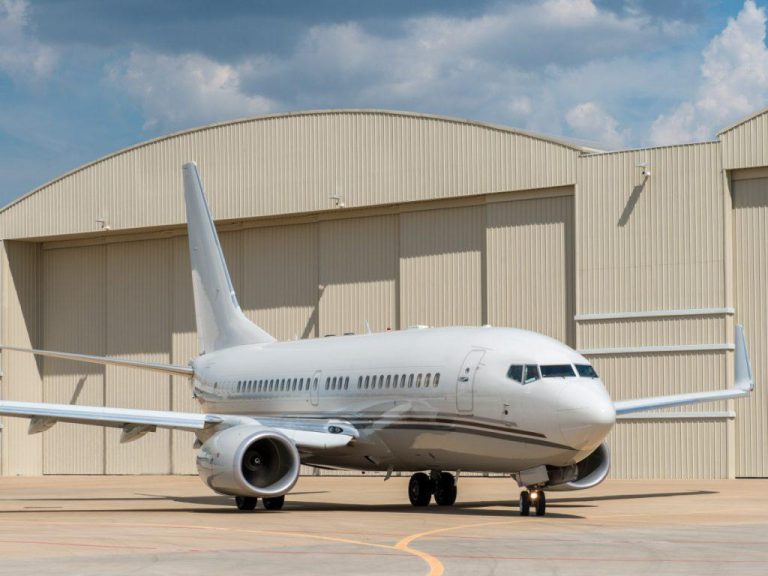
PrivateJetia Private Jet Fly 74
Owning a private jet is a significant investment, offering unmatched luxury, convenience, and flexibility. However, just like any other high-value asset, the value of your private jet will naturally depreciate over time unless you take proactive steps to maintain and enhance it. Properly maintaining the value of your jet is crucial, not only to preserve your investment but also to ensure it remains in excellent condition for years to come. Whether you’re a first-time owner or a seasoned jet enthusiast, understanding how to protect the long-term value of your aircraft is essential. In this article, we will explore key strategies that will help you maintain the value of your private jet, from regular maintenance to thoughtful upgrades, and everything in between.
- Regular Maintenance and Inspections
The most important factor in preserving the value of your private jet is regular maintenance. Routine inspections and timely repairs will not only ensure that your aircraft operates efficiently but will also keep it in excellent condition for resale in the future. The age and condition of your jet are the primary factors influencing its value, and staying on top of maintenance can significantly extend its lifespan.
Aircraft maintenance generally falls into two categories: routine and non-routine. Routine maintenance includes scheduled checks and services, such as engine inspections, oil changes, airframe checks, and avionics system testing. These tasks should be performed according to the manufacturer’s recommendations and aviation industry regulations. Non-routine maintenance involves addressing unexpected issues or repairs that arise during use, such as engine failures or avionics malfunctions. While non-routine maintenance can be costly, it is essential to address issues promptly to avoid further damage and higher repair costs in the future.
In addition to regular checks, it’s crucial to hire certified and experienced maintenance personnel who are familiar with the specific make and model of your jet. By doing so, you can ensure that your aircraft is maintained to the highest standards, protecting both its performance and value.
- Keep Your Jet Clean and Well-Maintained
One of the simplest ways to maintain the value of your private jet is to keep it clean and presentable, both inside and out. A well-maintained appearance is often one of the first things prospective buyers notice, and it can have a significant impact on your jet’s resale value. Regular cleaning not only preserves the aesthetics but also protects the aircraft from long-term damage caused by dirt, grime, and environmental factors.
On the exterior, it’s essential to wash your jet frequently to prevent the buildup of dirt, oils, and contaminants that could damage the paint or surface materials. Regular waxing will also help protect the finish and keep it shiny, making the aircraft look newer for longer. Additionally, paying attention to the undercarriage and engine components is important, as these areas can accumulate grime that affects performance if left unaddressed.
On the interior, you should clean and maintain the upholstery, flooring, and equipment regularly. The cabin should be vacuumed, seats should be wiped down or reupholstered when necessary, and carpets should be cleaned to prevent wear and tear. Consider hiring a professional cleaning service that specializes in aircraft to ensure the highest level of cleanliness and care.
- Implementing Smart Upgrades and Modifications
Upgrading certain features of your jet can help maintain its value over time. As technology continues to evolve, modernizing your aircraft’s systems can not only improve its performance and safety but also increase its appeal to potential buyers. The value of private jets tends to decrease more rapidly when the aircraft becomes outdated or lags behind current aviation trends.
Upgrading avionics systems is one of the most effective ways to maintain the value of your private jet. Newer avionics systems improve safety, efficiency, and functionality, and they are often seen as a significant selling point for prospective buyers. GPS systems, weather radar, autopilot systems, and cockpit displays are examples of avionics components that can be upgraded to the latest standards. Keep in mind that many buyers are looking for jets that are equipped with the latest technology, and upgrading your systems can make your aircraft more competitive in the market.
In addition to avionics upgrades, interior modifications can also have a significant impact on your jet’s value. High-quality materials for seating, countertops, and cabinetry, along with updated electronics and entertainment systems, can make your aircraft feel more luxurious and attractive. Customizations that enhance the comfort and convenience of passengers are particularly valued by buyers in the high-end market. Just remember that the key to maximizing the value of these upgrades is ensuring they are well-maintained and in excellent condition.
- Manage Aircraft Usage Efficiently
The frequency with which you use your private jet, as well as the way you operate it, can directly influence its value over time. The more flight hours your jet accumulates, the more wear and tear it will experience. Therefore, finding a balance between usage and preservation is essential for maintaining its value.
Excessive flying can lead to faster depreciation due to the increased number of maintenance checks and repairs required. To mitigate this, consider limiting the number of flights you take on your jet or opt for a shared ownership program where you can split flight hours with other owners. This approach will allow you to reduce wear while still enjoying the benefits of private jet ownership.
It’s also important to keep a record of your jet’s flight hours and make sure that all maintenance is performed on time. Many prospective buyers will look at the number of flight hours when assessing the condition and value of the aircraft. A well-documented history of low-flight hours and meticulous maintenance will help preserve the value of your jet.
- Protect Your Jet from Environmental Hazards
Environmental factors such as weather, temperature, and humidity can significantly affect the condition of your private jet. Extreme weather conditions, including hail, snow, and intense sun exposure, can cause damage to the exterior and interior of the aircraft. To protect your jet from these environmental hazards, it’s important to store it in a secure, climate-controlled hangar when not in use.
If a hangar is not available, consider investing in a high-quality aircraft cover that can protect your jet from the elements. Additionally, taking extra precautions when flying in harsh weather conditions, such as avoiding severe turbulence or snowstorms, will reduce the likelihood of damage to the aircraft. By protecting your jet from environmental factors, you can significantly extend its lifespan and maintain its value.
- Keep Accurate Records and Documentation
When it comes time to sell your private jet, having accurate records and documentation will go a long way in maintaining its value. Buyers are often hesitant to purchase aircraft that lack a detailed maintenance history or proper paperwork. Keeping track of all inspections, repairs, and upgrades is crucial, as it demonstrates to potential buyers that the jet has been well cared for and properly maintained.
Make sure to store all relevant documents in an organized manner, including logbooks, maintenance reports, and receipts for repairs and upgrades. It’s also important to keep records of any modifications or customizations made to the aircraft, as these can influence its value on the market.
In addition to maintenance records, having a well-documented history of flight hours and usage will help prospective buyers evaluate the aircraft’s condition. A jet with a clear, documented history will be much more attractive to buyers, and they may be willing to pay a higher price for a well-maintained, documented aircraft.
- Proper Storage and Hangar Management
The way you store your private jet when it’s not in use plays a key role in preserving its value. Storing your jet in a well-maintained, climate-controlled hangar is the best way to protect it from damage caused by weather, pests, and environmental factors. A hangar also offers added security, reducing the risk of theft or vandalism.
When choosing a hangar, make sure it is properly equipped with the necessary amenities to protect your jet. This includes temperature and humidity control, as well as regular inspections to ensure the hangar is free from pests, leaks, or other environmental hazards. Additionally, it’s essential to ensure that the hangar has adequate space to accommodate the size of your jet, allowing it to be stored safely without being exposed to any potential hazards.
- Maintain a High Standard of Pilot and Crew Training
The proficiency of the crew operating your private jet is a vital factor in maintaining its value. Ensuring that your pilots and crew members are well-trained and experienced is key to reducing the risk of accidents, minimizing wear and tear, and improving the overall performance of the aircraft.
Regular pilot training, as well as recurrent training sessions, will help ensure that your crew is up-to-date on the latest safety protocols and operating procedures. A skilled and knowledgeable crew can also help you avoid unnecessary damage to the aircraft during flight and ensure that it is operated in the most efficient manner possible. This level of care not only improves the safety of your aircraft but also helps preserve its value.
- Insure Your Aircraft Properly
Insurance is an essential component of maintaining the value of your private jet. While it’s important to choose an insurance policy that covers the full replacement cost of your aircraft, it’s equally important to make sure your coverage extends to any upgrades, modifications, or customizations made to the jet. Inadequate coverage could leave you financially vulnerable in the event of an accident or total loss.
Review your insurance policy regularly to ensure that it continues to provide adequate coverage as the value of your jet changes over time. Working with a knowledgeable aviation insurance broker can help you find the right coverage for your specific needs and give you peace of mind knowing your investment is protected.
- Stay Up-to-Date with Market Trends
Finally, staying informed about the private jet market can help you make strategic decisions about your aircraft and its future value. The aviation industry is constantly evolving, with changes in technology, fuel efficiency, and buyer preferences influencing the demand for certain types of jets. By staying up-to-date with these trends, you can make informed decisions about upgrading, selling, or purchasing new aircraft.
If you plan to sell your private jet in the future, understanding market trends will help you determine the best time to list your jet and how to price it competitively. Tracking the resale values of similar jets, as well as understanding the factors driving demand in the private aviation sector, will allow you to maximize your return on investment when it’s time to sell.
Conclusion
Maintaining the value of your private jet over time requires careful attention to detail and a proactive approach to maintenance, upgrades, and usage. By following the strategies outlined in this article, such as regular maintenance, keeping your jet clean, investing in upgrades, and ensuring proper storage, you can help preserve the value of your aircraft and ensure that it remains a valuable asset for years to come. With the right care and attention, your private jet will continue to provide luxury, comfort, and financial benefits long into the future.