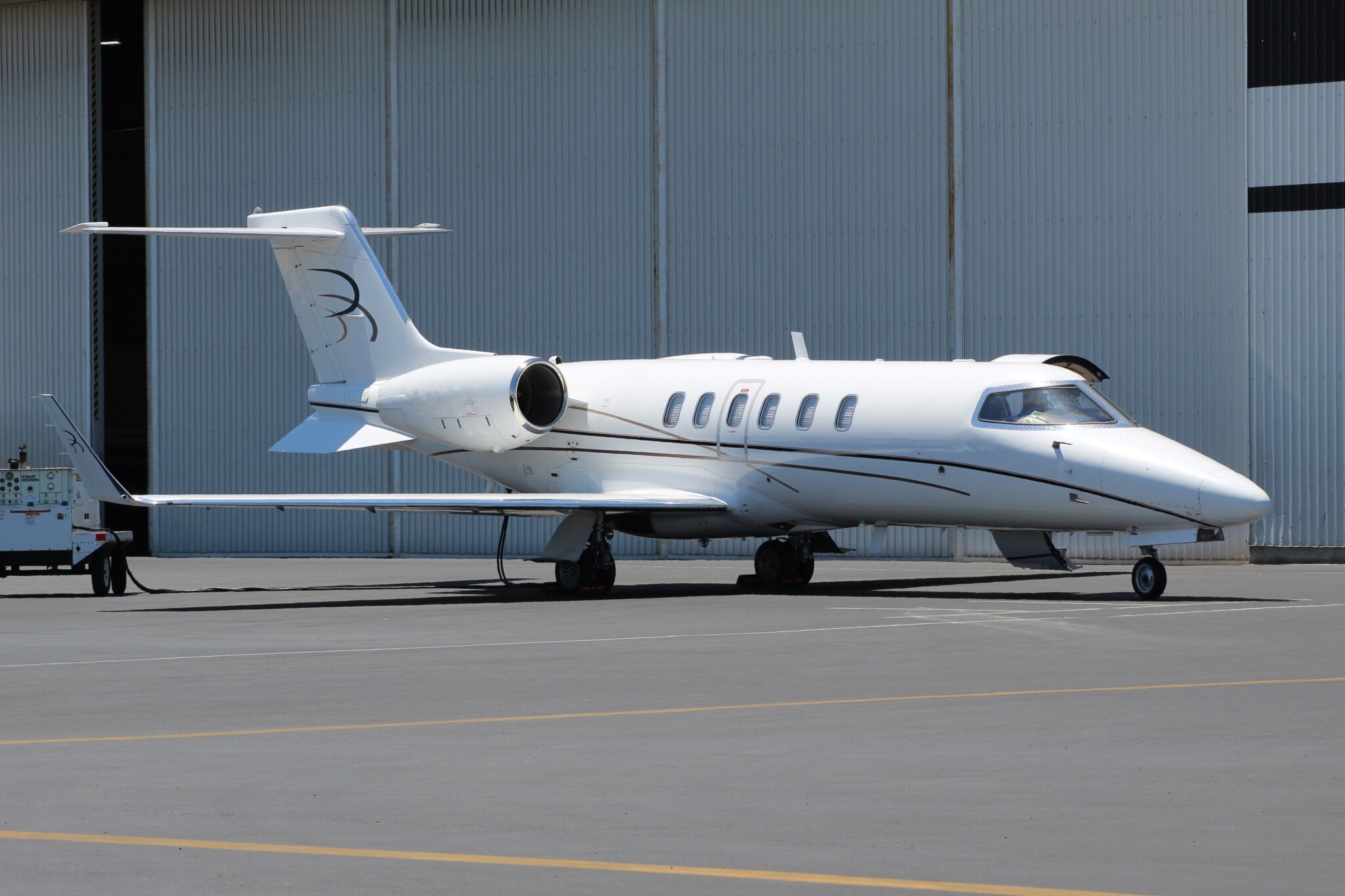
Bombardier Learjet 40XR
Introduction
The world of private jet ownership is evolving rapidly, and one of the most strategic financial tools available to jet owners today is the sale-and-leaseback (SLB) arrangement. Whether you are an aircraft operator, investor, or individual owner, understanding how to structure a sale-and-leaseback for private jets can unlock liquidity, optimize tax benefits, and maintain aircraft control without sacrificing operational flexibility.
In this comprehensive guide, we’ll break down every key step from structuring and negotiation to the financial and legal implications so you can make an informed decision that protects your capital and enhances your aviation portfolio.
What Is a Sale-and-Leaseback in Private Aviation?
A sale-and-leaseback transaction involves selling your private jet to a leasing company or investor and then immediately leasing it back for continued use. In essence, you turn your asset (the jet) into liquidity while retaining operational access to the aircraft.
It’s a common financing model in the commercial airline industry, and it’s now gaining popularity in the private jet sector, particularly among corporate and high-net-worth owners who want to free up capital or optimize balance sheets.
Top Reasons to Use Sale-and-Leaseback for Private Jets
-
Liquidity Release – Instantly convert the aircraft’s equity into cash for reinvestment or expansion.
-
Tax Efficiency – Potential deductions on lease payments and depreciation benefits for the lessor.
-
Operational Continuity – Maintain access to the aircraft under a long-term lease agreement.
-
Off-Balance Sheet Treatment – Possible financial reporting benefits depending on accounting standards.
-
Risk Mitigation – Transfer asset ownership risks (like depreciation or residual value risk) to the lessor.
How to Structure a Sale-and-Leaseback for Private Jets
1. Determine Aircraft Market Value
The first step is obtaining an independent appraisal from an accredited aviation valuation firm (such as VREF or JetNet). The fair market value (FMV) becomes the baseline for negotiations with the buyer/lessor.
Key Tip: Always request both current market and future residual value estimates to understand long-term financial implications.
2. Identify the Right Buyer-Lessor
The lessor could be a financial institution, aviation leasing company, or private investor specializing in aircraft leasing. The ideal partner should have:
-
Strong aviation finance experience
-
Transparent contract terms
-
Reputation for flexible maintenance and return conditions
3. Negotiate Sale Terms
Negotiate the sale price, closing conditions, and tax implications upfront. Consider:
-
Whether the transaction triggers VAT or sales tax
-
How existing financing or liens will be discharged
-
Transfer of warranties, logbooks, and airworthiness documentation
4. Design the Leaseback Agreement
This is the heart of the structure. The leaseback contract defines operational, financial, and legal conditions for aircraft use. Typical terms include:
| Lease Element | Description |
|---|---|
| Lease Term | Typically 3–10 years, depending on aircraft age and usage |
| Monthly Rental Rate | Often based on aircraft value and interest rates |
| Maintenance Obligations | Clearly defines who handles maintenance, insurance, and compliance |
| Return Conditions | Specifies aircraft condition upon lease termination |
| Purchase Option | Some structures include a buyback clause at lease end |
Pro Tip: Work with an aviation attorney experienced in FAA, EASA, and Cape Town Convention compliance.
5. Consider Tax and Accounting Treatments
Depending on your jurisdiction and corporate structure:
-
The seller-lessee may deduct lease payments as operating expenses.
-
The buyer-lessor may claim depreciation and other benefits.
-
Some countries offer tax deferral if sale proceeds are reinvested.
Consult aviation tax advisors to ensure compliance with IRS Section 1031 (U.S.) or equivalent regional tax laws.
6. Evaluate Operational and Maintenance Responsibilities
Clarity on operational control is crucial. Typically, the lessee retains:
-
Crew management and flight scheduling
-
Maintenance tracking under approved programs (like CAMP or CAMP MX)
-
Insurance compliance and safety audits
However, lessors often require reporting and inspection rights to protect asset value.
7. Secure Financing and Legal Documentation
Once both parties agree on structure and valuation:
-
Prepare Letter of Intent (LOI) outlining preliminary terms
-
Draft Purchase Agreement for the sale
-
Draft Aircraft Lease Agreement for the leaseback
-
Register documents with relevant authorities (FAA Registry, EASA, or local registry)
Ensure that insurance certificates, lien releases, and escrow documents are verified by both legal teams before closing.
Common Mistakes to Avoid
-
Ignoring residual value risk – Understand what happens if market values drop during the lease term.
-
Underestimating tax impact – Improper structuring can trigger double taxation or VAT exposure.
-
Not involving an aviation law expert – Generic lease templates rarely fit aviation-specific compliance needs.
-
Overlooking maintenance reserves – Hidden obligations may reduce effective returns.
Real-World Example
A corporate flight department sold a 2019 Bombardier Global 6500 to a leasing company for $42 million. The funds were redeployed into fleet expansion and business liquidity. Under a 7-year leaseback agreement, the company pays a fixed monthly rate, maintains full operational control, and will have an option to repurchase the aircraft at fair market value in 2032.
This hybrid financial model improved their cash flow by 18% annually while keeping access to the same aircraft.
When a Sale-and-Leaseback Is the Right Choice
A sale-and-leaseback is ideal if:
-
You need immediate liquidity without losing access to your jet.
-
You want to streamline your aviation balance sheet.
-
Your aircraft has strong residual value and active market demand.
-
You prefer predictable monthly costs and operational flexibility.
However, if your long-term intention is ownership appreciation or charter operations profitability, direct ownership might still be better.
The Future of Sale-and-Leaseback in Private Aviation
The demand for sale-and-leaseback structures in the private jet industry is expected to grow as more corporate operators and UHNWI clients seek cash efficiency post-pandemic. With rising interest rates and increased aircraft values, SLB deals are becoming a strategic tool for fleet renewal, liquidity optimization, and investment diversification.
As private jet markets mature, expect to see fractional ownership firms, leasing consortiums, and venture-backed aviation funds offering tailored SLB packages globally.
Conclusion
Structuring a sale-and-leaseback for private jets is not just a financial maneuver it’s a powerful strategy to unlock liquidity while maintaining operational freedom. With proper valuation, legal oversight, and tax planning, SLB transactions can transform your aircraft from a depreciating asset into a financial tool for growth and flexibility.
If executed strategically, it enables both jet owners and investors to maximize returns, minimize risks, and maintain the prestige and practicality of private jet travel.


