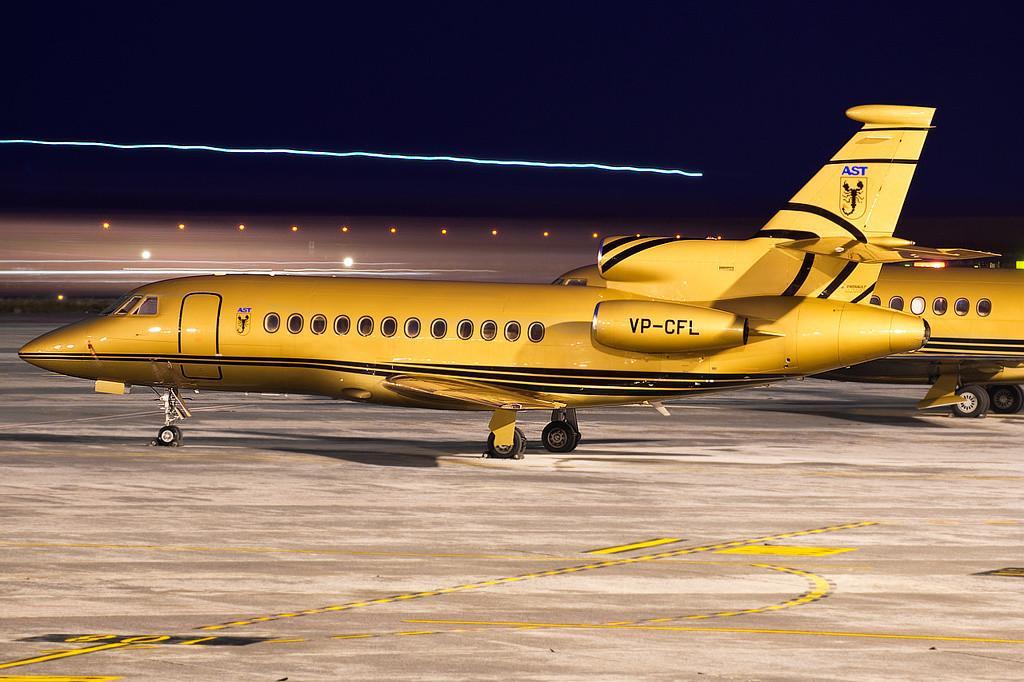
Purchasing a private jet is a significant investment, and timing plays a crucial role in maximizing the value of your purchase. Understanding when to buy a private jet, along with the factors that influence the market, can help you save money, make a better-informed decision, and enjoy the full benefits of private jet ownership. In this article, we will explore how to time your private jet purchase for maximum value by considering market conditions, seasonal trends, economic cycles, and other key factors that directly impact the pricing and availability of jets.
Understanding the Private Jet Market
The private jet market is complex, with various factors influencing the prices and availability of aircraft. These factors include overall economic conditions, the supply and demand dynamics of the aircraft market, manufacturer production schedules, and seasonal trends. Timing your purchase strategically requires a deep understanding of these market conditions and how they can affect pricing.
Supply and Demand Dynamics
The principle of supply and demand plays a central role in determining the price of private jets. When demand exceeds supply, prices rise, and when demand is lower, prices can decrease. The demand for private jets is influenced by several factors, including the overall economy, business growth, and individual spending habits.
When economic conditions are favorable, more individuals and businesses are likely to invest in private jet ownership, driving up demand. This increased demand can result in higher prices, especially for newer jets or in-demand models. Conversely, when economic conditions are less favorable or during periods of market uncertainty, demand for private jets may decrease, leading to lower prices and more favorable terms for buyers.
Aircraft Inventory and Availability
The availability of jets on the market is another critical factor when timing your purchase. The private jet market can fluctuate in terms of inventory, with more or fewer aircraft available depending on various factors such as production schedules, the overall state of the economy, and individual owners’ decisions to sell their jets. For buyers seeking pre-owned jets, the availability of inventory can affect both pricing and the ability to find a suitable aircraft.
In general, you will have more options to choose from and better bargaining power when there is an abundance of aircraft available. However, when inventory is limited, you may face higher prices and more competition from other buyers. Understanding these dynamics can help you make a more informed decision about when to purchase your jet.
Seasonal Timing for Maximum Value
Much like other industries, the private jet market experiences seasonal fluctuations in demand. Understanding these seasonal trends can help you time your purchase to get the best value.
Peak Seasons
Private jet travel typically peaks during certain times of the year, such as the holiday season, summer months, and major holidays like Thanksgiving and New Year’s. During these peak periods, demand for private jet services and ownership is high, and prices can be higher as a result. Aircraft owners and brokers are less likely to negotiate on price during peak seasons, as they know that buyers may be more willing to pay a premium to secure a jet for their travel needs.
For example, the period between December and January is a high-demand time for private jet travel, as many businesses and individuals seek to use private aviation for holiday and New Year’s travel. Similarly, the summer months are a peak time for private jets, as people take vacations and businesses organize corporate travel.
If you are looking to purchase a private jet during these peak periods, you may find that prices are higher and that your ability to negotiate is limited. Therefore, if you are looking for maximum value, buying a jet during these busy times may not be the most advantageous option.
Off-Peak Seasons
The best time to purchase a private jet for maximum value is often during the off-peak seasons, which occur when demand for private jet travel is lower. The off-peak period typically falls in the months following the peak travel seasons, such as late winter (January to February) and early fall (September to October). During these times, private jet sales tend to slow down, and sellers may be more inclined to offer discounts or negotiate on price.
In the off-season, you will face less competition from other buyers, which can give you more room to negotiate and secure better pricing. Aircraft dealers and brokers are often more motivated to close deals during these quieter months, and you may find that sellers are more flexible with their terms. Additionally, aircraft manufacturers and brokers may offer promotions or discounts during the off-season to stimulate sales, further enhancing the financial benefits of buying during this time.
End of the Fiscal Year
Another strategic time to buy a private jet is towards the end of the fiscal year, typically in the fourth quarter (October to December). As the year comes to a close, many aircraft manufacturers and sellers may be eager to meet their annual sales targets and close deals before the fiscal year ends. This can lead to more favorable pricing, as sellers may be willing to offer discounts or incentives to finalize transactions before the year’s end.
For businesses, buying a private jet near the end of the fiscal year can also provide potential tax benefits, such as deductions related to the depreciation of the aircraft. This can further increase the financial advantages of purchasing during this time.
Economic Cycles and Timing Your Purchase
The state of the economy plays a significant role in the timing of your private jet purchase. Economic cycles, including periods of growth and downturns, can influence the price of private jets and the availability of financing.
Buying During Economic Expansion
During periods of economic growth, demand for private jets is generally high. As businesses expand and individuals become more affluent, the demand for private aviation increases. This higher demand can drive up prices, making it more difficult to negotiate a favorable deal. However, buying during times of economic expansion may still be advantageous for those who need a private jet for business reasons, as the increased income and potential tax advantages can justify the higher costs.
If you are buying a private jet during an economic expansion, it is important to be prepared for higher prices and less flexibility in negotiations. However, if you have the financial resources and the need for a jet is urgent, purchasing during this time may still offer long-term value.
Buying During Economic Downturns
Purchasing a private jet during an economic downturn or recession can offer significant financial advantages. During these times, demand for private jets tends to decrease, which can lead to lower prices and more favorable terms for buyers. Aircraft owners may look to sell their jets to cut costs, leading to an increase in the availability of pre-owned aircraft. This can create a buyer’s market, where you have more options to choose from and more negotiating power.
In addition to lower purchase prices, you may also find that financing options are more favorable during economic downturns, as lenders may offer competitive rates to stimulate sales. However, it is important to consider the long-term financial implications of purchasing a private jet during uncertain economic times, as it may impact your ability to resell the jet later on.
Understanding Aircraft Depreciation
When timing your private jet purchase, it’s also important to understand how aircraft depreciation can impact the value of your investment. Private jets, like most vehicles, experience depreciation over time. However, the rate of depreciation can vary depending on the age, model, and condition of the jet.
New jets typically experience rapid depreciation in the first few years, while pre-owned jets may depreciate at a slower rate. If you are purchasing a new jet, it’s important to be aware that the aircraft’s value may decrease significantly as soon as you take ownership. Buying a pre-owned jet can help mitigate some of this depreciation, as the initial depreciation has already occurred.
When timing your purchase, consider the depreciation schedule for the specific jet you are interested in. If the jet is new, it may be worth waiting until it has depreciated a bit, so you can secure more value for your money. Conversely, if you are buying a pre-owned jet, the off-season or slower periods for private jet sales may offer more options and better deals on aircraft that have already experienced some depreciation.
Negotiating for Maximum Value
Timing your private jet purchase is essential, but it’s also important to negotiate effectively to get the best deal. In the off-season or during a buyer’s market, you will have more room for negotiation, but it’s still crucial to approach the process strategically.
Work with experienced brokers or sellers who understand the market dynamics and can help you navigate the negotiation process. Be prepared to make an offer below the asking price, and don’t be afraid to walk away if the terms don’t meet your expectations. Sellers who are motivated to close deals during the off-season or end of the year may be more inclined to accept lower offers or provide additional incentives.
Conclusion
Timing your private jet purchase is a critical factor in maximizing the value of your investment. By understanding market trends, seasonal fluctuations, and economic cycles, you can choose the best time to buy and secure the best possible deal. Whether you decide to purchase during the off-season, end of the fiscal year, or economic downturn, being strategic about the timing of your purchase can lead to significant financial savings, better financing options, and more favorable terms.
By carefully considering these factors and working with experienced professionals, you can ensure that your private jet purchase delivers maximum value and long-term satisfaction.