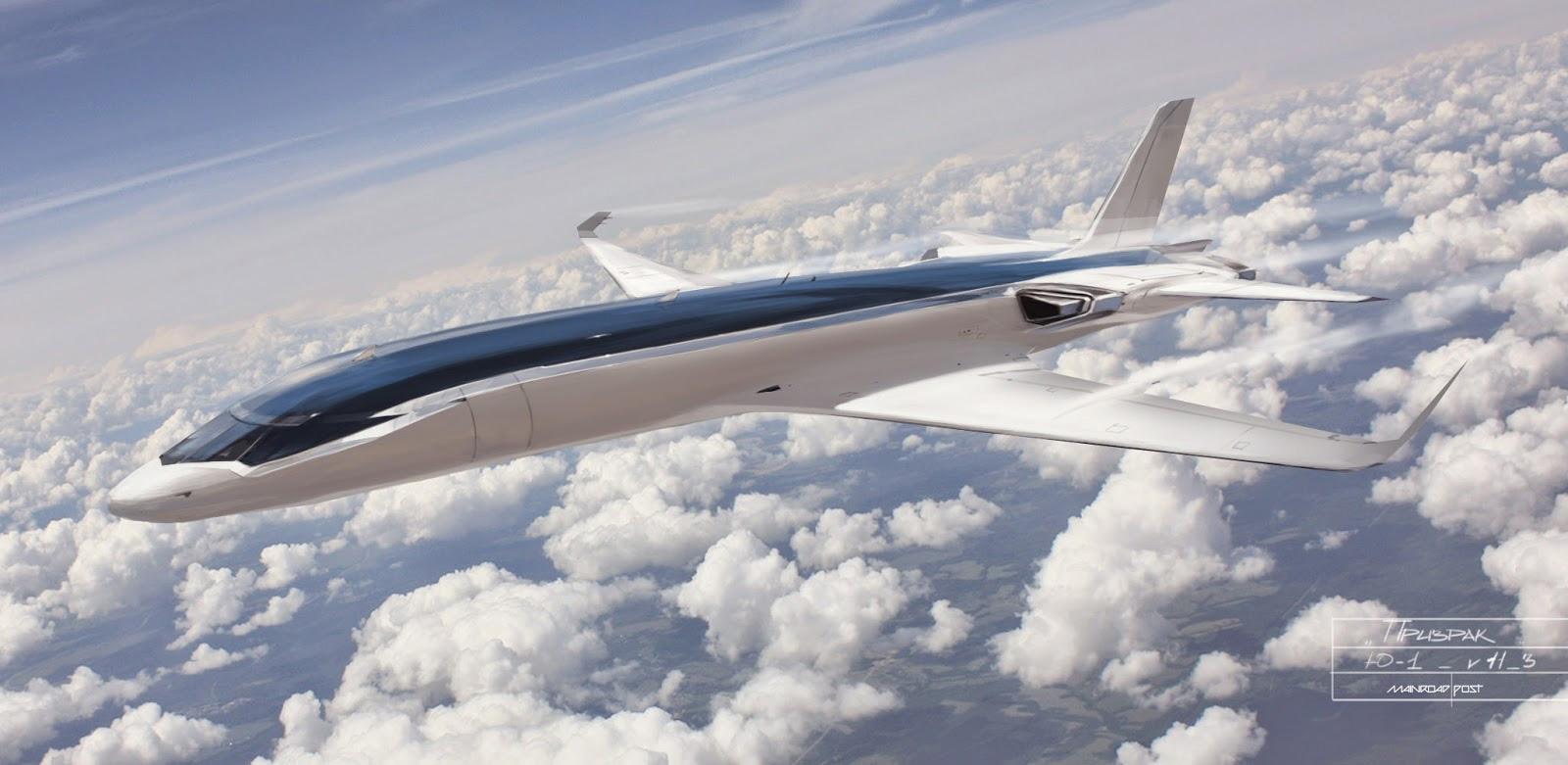
The aviation industry has long been a significant contributor to global carbon emissions, and with increasing pressure to reduce its environmental impact, many are looking for innovative solutions. While electric aviation has garnered attention in recent years, another promising alternative is hydrogen-powered flight. Hydrogen is seen as a potential game-changer in the race for cleaner, more sustainable air travel. In this article, we will explore how hydrogen-powered private jets could become the future of private aviation, the technology behind them, and the challenges and benefits associated with this cutting-edge development.
Understanding Hydrogen-Powered Aviation
Hydrogen has long been recognized as a potential clean energy source. When hydrogen is used as fuel, the only by-product is water vapor, making it one of the most environmentally friendly alternatives to traditional fossil fuels. Hydrogen fuel cells have already been used in ground transportation (such as buses and trucks), and now, they are being explored for use in the aviation industry. Hydrogen-powered aircraft could dramatically reduce the aviation sector’s carbon footprint, offering a promising solution to the environmental challenges faced by the industry.
The concept of hydrogen-powered jets is not new; however, recent advancements in fuel cell technology and the development of hydrogen infrastructure have brought this possibility much closer to reality. Many experts believe that hydrogen fuel could be the next big leap in sustainable aviation, particularly in private aviation, where reducing emissions and operating costs are paramount.
How Hydrogen-Powered Private Jets Work
Hydrogen-powered private jets operate on a similar principle to electric aircraft but use hydrogen as the fuel source rather than electricity stored in batteries. There are two main methods by which hydrogen can be used for aviation: hydrogen fuel cells and hydrogen combustion.
- Hydrogen Fuel Cells
The most promising and efficient method for hydrogen-powered flight involves fuel cells. In this system, hydrogen is stored in tanks and reacts with oxygen in a fuel cell to generate electricity. The electricity then powers the aircraft’s electric motors, propelling it through the air. The only byproduct of this reaction is water vapor, making this process not only efficient but also incredibly clean.
Hydrogen fuel cells offer several advantages over traditional jet engines, including the fact that they are silent and produce no harmful emissions. Furthermore, fuel cells are more efficient than combustion engines, which means that hydrogen-powered aircraft could potentially have lower operating costs and greater fuel efficiency.
- Hydrogen Combustion
Another potential method for using hydrogen in aviation is hydrogen combustion, where hydrogen is burned in an engine to produce thrust, much like jet fuel in conventional engines. While this method is still in its early stages, it has the advantage of using existing aircraft designs and engines. Hydrogen combustion could theoretically allow for a smoother transition from traditional fossil fuels to cleaner hydrogen fuel.
However, hydrogen combustion presents challenges in terms of efficiency and environmental impact. Hydrogen combustion produces nitrogen oxides (NOx), which can contribute to air pollution and global warming. To make this method more environmentally friendly, innovative solutions would be needed to reduce NOx emissions and improve fuel efficiency.
The Benefits of Hydrogen-Powered Private Jets
The idea of hydrogen-powered private jets offers numerous potential benefits for both the aviation industry and the environment. Let’s explore some of the most significant advantages:
- Zero Emissions
The most compelling reason for exploring hydrogen-powered private jets is the potential for zero emissions. Unlike traditional jet fuel, which releases carbon dioxide (CO2) and other harmful greenhouse gases into the atmosphere, hydrogen fuel produces only water vapor as a byproduct. This makes hydrogen-powered aircraft an ideal solution for those looking to reduce their carbon footprint and fly more sustainably.
- Lower Operating Costs
While the initial cost of developing and building hydrogen-powered private jets may be high, there is the potential for significant savings in operating costs over time. Hydrogen fuel is generally cheaper than traditional jet fuel, and hydrogen fuel cells are highly efficient, meaning that these aircraft could have lower fuel costs compared to conventional jets. Additionally, hydrogen-powered aircraft are likely to require less maintenance than traditional jets, as fuel cells have fewer moving parts than jet engines.
- Reduced Noise Pollution
Hydrogen-powered private jets would also have a major advantage in terms of noise reduction. Unlike traditional jets, which rely on loud turbofan engines, hydrogen fuel cells produce almost no noise, resulting in quieter flights. This is especially important for private aviation clients who prioritize a quiet, comfortable, and peaceful flying experience. Moreover, quieter flights would also help reduce noise pollution around airports and residential areas, making hydrogen jets a more community-friendly option.
- Long Range and Fast Refueling
One of the main challenges facing electric aircraft is the limited range and long refueling times required for their batteries. While hydrogen fuel cells still require significant infrastructure for fueling stations, they offer a longer range than electric batteries and refuel much faster. This makes hydrogen-powered jets ideal for long-haul flights, where range and quick turnaround times are essential.
Challenges and Limitations of Hydrogen-Powered Private Jets
Despite the promising benefits of hydrogen-powered aviation, several challenges need to be addressed before these jets can become a mainstream reality. Here are some of the primary obstacles:
- Hydrogen Storage and Infrastructure
One of the most significant challenges in developing hydrogen-powered aircraft is the storage of hydrogen fuel. Hydrogen needs to be stored at extremely high pressures or in liquid form, requiring specialized tanks that can withstand the extreme conditions. Additionally, the development of a widespread hydrogen fueling infrastructure at airports is necessary to support hydrogen-powered jets. This infrastructure would need to be scaled up to ensure availability and convenience for private jet owners.
- High Development Costs
The development of hydrogen-powered private jets requires significant investment in research, engineering, and infrastructure. While hydrogen fuel cells are already used in other industries, applying this technology to aviation presents unique challenges. The cost of developing new aircraft models, testing hydrogen fuel systems, and building the necessary refueling infrastructure is expected to be high, which may make hydrogen jets initially expensive for private owners and operators.
- Hydrogen Production and Sustainability
While hydrogen is a clean fuel, the way in which it is produced plays a significant role in its overall environmental impact. Currently, most hydrogen is produced through natural gas reforming, a process that releases carbon dioxide. For hydrogen to be truly sustainable, it must be produced using green hydrogen methods, such as electrolysis powered by renewable energy sources like solar and wind power. As the demand for hydrogen increases, there will need to be a significant push towards green hydrogen production to ensure the sustainability of hydrogen-powered aviation.
The Future of Hydrogen-Powered Private Jets
Despite the challenges, hydrogen-powered private jets are expected to play a significant role in the future of aviation. Several companies, including ZeroAvia, Airbus, and Boeing, are actively working on developing hydrogen aircraft. ZeroAvia, for example, is already testing a hydrogen-powered aircraft in partnership with major aviation players.
Over the next few decades, we can expect to see more hydrogen-powered jets in private aviation fleets, especially as hydrogen infrastructure and fuel cell technology improve. While electric aviation may be the more immediate solution for shorter flights, hydrogen-powered jets are poised to become the go-to option for longer flights and private aviation in the future.
- Hybrid and Hydrogen Aircraft
In the near future, we may see hybrid aircraft that combine hydrogen fuel cells with traditional jet engines. This hybrid approach could help extend the range of hydrogen aircraft while also offering a smooth transition for the aviation industry as it moves away from fossil fuels.
- Sustainable Aviation for the Future
As we move toward a future of cleaner and more sustainable aviation, hydrogen-powered jets represent a viable solution. By leveraging the potential of hydrogen fuel and fuel cell technology, private aviation could significantly reduce its carbon footprint and offer a more eco-friendly way to travel by air.
Conclusion
Hydrogen-powered private jets hold tremendous promise for the future of aviation. With the potential to reduce carbon emissions, offer lower operating costs, and provide a quieter flying experience, hydrogen jets could revolutionize the way we think about private air travel. While there are still challenges to overcome, the benefits of hydrogen fuel make it a compelling alternative to traditional jet fuel. As technology continues to advance and infrastructure expands, hydrogen-powered private jets may very well become a reality, providing a cleaner, more sustainable, and efficient future for the private aviation industry.