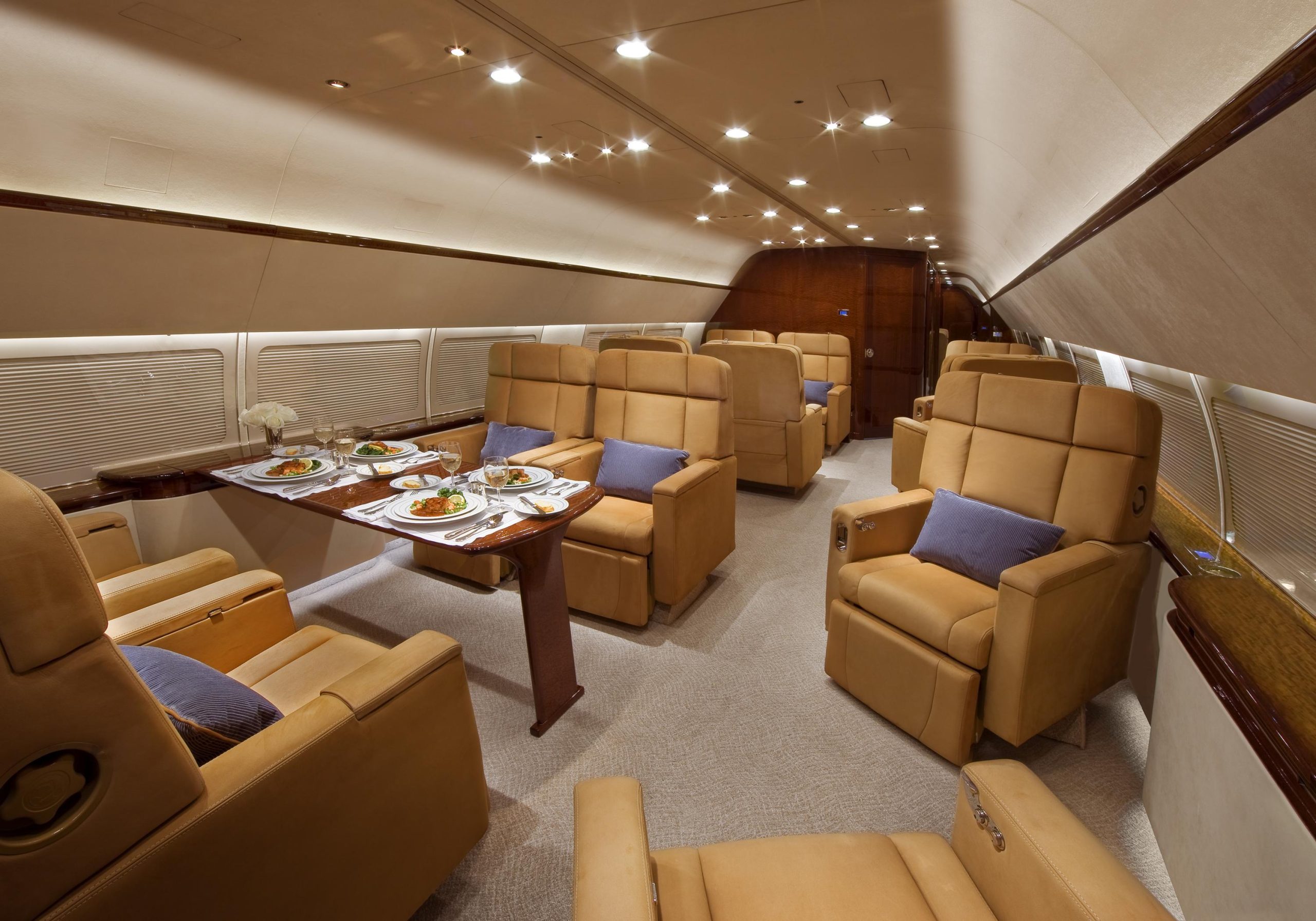
Luxury aviation is continuously evolving to meet the demands of discerning travelers who seek comfort, exclusivity, and innovation. One emerging trend that has captivated the attention of designers and jet owners alike is biophilic design. Rooted in the concept of connecting humans with nature, biophilic design integrates natural elements, materials, and patterns into interior spaces to create a serene and harmonious environment.
Incorporating biophilic principles into private jet interiors goes beyond aesthetics. It enhances the overall passenger experience by promoting well-being, reducing stress, and fostering a sense of calm, qualities that are particularly valuable during air travel. This article explores how biophilic design is reshaping private jet interiors, the benefits it offers, and the innovative ways designers are bringing the essence of nature into the skies.
1. What is Biophilic Design?
Biophilic design is a concept that emphasizes the integration of natural elements into built environments to foster a deeper connection with nature. The term “biophilia,” meaning “love of life and living systems,” was popularized by biologist E.O. Wilson, who argued that humans have an innate need to connect with the natural world. In design, this translates to using materials, colors, patterns, and spatial arrangements inspired by nature.
In the context of private jet interiors, biophilic design involves incorporating features such as natural materials, organic shapes, greenery, and lighting that mimics natural conditions. These elements work together to create a space that feels tranquil, refreshing, and luxurious.
2. Why Biophilic Design is Perfect for Private Jets
The confined and often artificial environment of an aircraft cabin can be stressful for passengers, especially during long-haul flights. Biophilic design addresses these challenges by transforming the cabin into a soothing sanctuary. Here’s why it’s a perfect fit for private jets:
- Enhances Passenger Comfort: Natural elements create a calming atmosphere, helping passengers relax and enjoy their journey.
- Improves Air Quality: Incorporating greenery and advanced air purification systems enhances the cabin’s air quality, contributing to a healthier flying experience.
- Promotes Well-Being: Studies have shown that exposure to nature-inspired environments reduces stress and boosts mood, which is especially beneficial during travel.
- Unique and Luxurious Appeal: Biophilic design elevates the aesthetic appeal of private jets, making them stand out in a competitive luxury market.
3. Key Elements of Biophilic Design in Private Jet Interiors
Designers are using a variety of biophilic principles to transform private jet cabins. Here are some of the most notable elements:
a. Natural Materials
Materials like wood, stone, leather, and wool bring a tactile and visual connection to nature. For instance, wooden veneers can be used for paneling, tables, and accents, while stone-inspired surfaces add a touch of elegance.
b. Organic Shapes and Patterns
Biophilic design avoids rigid, geometric lines in favor of organic shapes and patterns that mimic those found in nature, such as flowing curves and fractal patterns. These can be incorporated into furniture, carpets, and wall art.
c. Greenery and Plant Features
While maintaining live plants on an aircraft can be challenging, designers are finding innovative ways to integrate greenery. Options include preserved moss walls, artificial plants, or designs inspired by foliage.
d. Nature-Inspired Color Palettes
Earthy tones such as greens, browns, and blues dominate biophilic interiors. These colors evoke the natural world, creating a soothing environment.
e. Dynamic Lighting Systems
Lighting that mimics natural daylight and adjusts to the time of day helps regulate passengers’ circadian rhythms, reducing jet lag and enhancing comfort. LED systems that replicate sunrise, sunset, and ambient light conditions are popular choices.
f. Views and Visual Connections
Large windows are a hallmark of luxury jets, offering stunning views of the sky and landscape below. Biophilic design amplifies this connection to the outside world, sometimes with design elements that frame or highlight the windows.
g. Textures and Finishes
Textures inspired by nature, such as rough stone, smooth river rock, or soft moss-like upholstery, add depth and sensory richness to the cabin.
4. Innovative Applications of Biophilic Design in Private Jets
Designers and manufacturers are pushing the boundaries of creativity to integrate biophilic principles into private jet interiors. Here are some standout innovations:
a. Living Walls
Preserved moss or vertical gardens are being adapted for aviation use, offering a striking focal point that also improves the cabin’s ambiance.
b. Sky Ceilings
LED panels that simulate a clear blue sky, a canopy of trees, or starry nights bring an immersive biophilic experience to the cabin ceiling.
c. Water-Inspired Features
Designs that mimic the look and feel of flowing water, such as ripple-effect carpets or wave-shaped lighting fixtures, add a sense of fluidity and calm.
d. Sustainable Luxury
Biophilic design aligns with the growing demand for sustainability in aviation. Recycled and eco-friendly materials, combined with nature-inspired aesthetics, offer a luxurious yet environmentally conscious option.
5. The Benefits of Biophilic Design for Jet Passengers
a. Reduced Stress and Anxiety
Biophilic environments have been shown to lower cortisol levels and reduce stress, making flights more enjoyable.
b. Improved Focus and Productivity
For business travelers, a calming and inspiring environment can enhance focus and productivity during the journey.
c. Enhanced Well-Being
Natural elements and lighting help regulate mood and energy levels, ensuring passengers arrive at their destination feeling refreshed.
d. Unique and Memorable Experiences
A biophilic interior creates a distinctive travel experience that passengers are likely to remember and appreciate.
6. Challenges and Solutions in Implementing Biophilic Design
Integrating biophilic design into private jets comes with unique challenges, including weight restrictions, safety regulations, and maintenance concerns. However, advances in materials and technology are making these designs more feasible:
- Lightweight Materials: Designers are using lightweight, aviation-friendly materials that mimic natural textures and finishes.
- Maintenance-Free Greenery: Preserved moss and high-quality artificial plants eliminate the need for watering or maintenance.
- Safety Compliance: All materials and designs must meet stringent aviation safety standards, ensuring that biophilic elements are as safe as they are beautiful.
7. The Future of Biophilic Design in Luxury Aviation
As the demand for unique and wellness-oriented travel experiences grows, biophilic design is expected to play a larger role in luxury aviation. Future trends may include:
- AI-Driven Personalization: Smart systems that adapt lighting, temperature, and ambiance to individual passenger preferences.
- Immersive Nature Experiences: Virtual reality or augmented reality systems that bring immersive nature scenes into the cabin.
- Greater Sustainability: Continued innovation in eco-friendly materials and energy-efficient technologies.
Conclusion
Biophilic design represents the next frontier in luxury aviation, offering a seamless blend of nature, comfort, and innovation. By incorporating natural elements, organic shapes, and sustainable materials, private jet interiors are being transformed into serene sanctuaries that enhance well-being and create unforgettable travel experiences. As this trend continues to evolve, biophilic design will undoubtedly set the standard for luxury aviation, redefining what it means to fly in comfort and style.