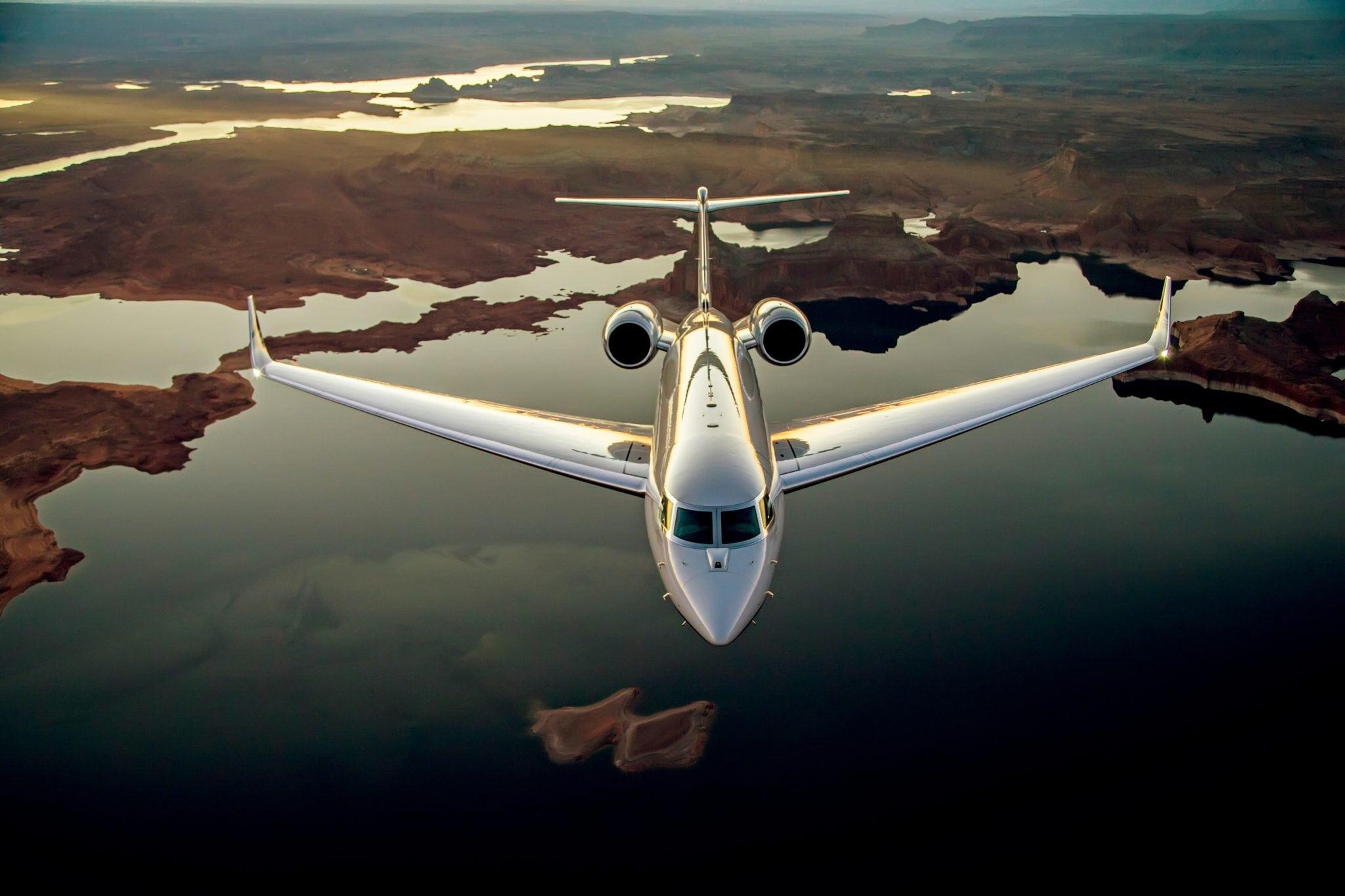
The world of luxury private aviation has always been synonymous with elegance, comfort, and performance. As the demand for private jets continues to rise, the evolution of aircraft design, particularly in terms of aerodynamics, has become a critical area of focus for manufacturers. Innovations in aerodynamic design are not only enhancing the aesthetic appeal of luxury jets but also improving fuel efficiency, reducing noise, and increasing performance. This article delves into the cutting-edge advancements in aerodynamic design for luxury jets, exploring how these innovations are shaping the future of private aviation.
Meta Description: Explore the latest innovations in aerodynamic design for luxury jets, focusing on performance, fuel efficiency, and comfort. Discover how advanced aerodynamics are transforming private aviation.
The Importance of Aerodynamics in Luxury Jets
Aerodynamics play a crucial role in the performance, efficiency, and comfort of any aircraft. For luxury jets, where passengers expect the highest levels of comfort and technology, aerodynamic design becomes even more critical. The primary goals of aerodynamic design in luxury jets are to minimize drag, optimize fuel consumption, and ensure smooth, efficient airflow over the aircraft’s surfaces.
Efficient aerodynamics help reduce fuel consumption, which is particularly important in the era of sustainable aviation. Additionally, well-designed aerodynamics contribute to the aircraft’s speed, stability, and overall handling. For luxury jets, smooth aerodynamics not only improve performance but also enhance the passenger experience by reducing noise and vibration. Innovations in this field are constantly pushing the boundaries, enabling manufacturers to create jets that are faster, more efficient, and more comfortable than ever before.
Key Aerodynamic Innovations in Luxury Jet Design
In recent years, several groundbreaking innovations in aerodynamic design have transformed the landscape of luxury jets. These advancements have been driven by technological breakthroughs and a greater emphasis on sustainability, efficiency, and passenger comfort.
1. Winglets and Advanced Wing Designs
Winglets are upward-curved extensions at the end of an aircraft’s wings, designed to reduce drag and improve fuel efficiency. These small yet powerful modifications help improve the airflow around the aircraft, reducing vortex drag that typically occurs at the tips of the wings. This innovation is particularly beneficial for luxury jets, where fuel efficiency is a priority for reducing operating costs and environmental impact.
Modern luxury jets are incorporating more advanced wing designs, including adaptive winglets that change shape during flight to optimize aerodynamics. This dynamic design allows luxury jets to adjust their wing configurations based on speed, altitude, and weather conditions, further enhancing fuel efficiency and flight performance.
Some luxury jet manufacturers, such as Gulfstream and Bombardier, have pioneered the use of advanced wing designs that integrate seamlessly with the overall aerodynamic structure. These wings are not only more fuel-efficient but also contribute to a quieter and more comfortable flight experience by reducing turbulence and airflow disruptions.
2. Blended Wing Bodies
Blended wing bodies (BWB) represent one of the most innovative and futuristic aerodynamic designs. Unlike traditional aircraft, which have distinct fuselages and wings, the BWB design integrates the wings and fuselage into a single, continuous structure. This design reduces drag and weight while increasing aerodynamic efficiency.
In luxury jets, the BWB design offers several benefits. It allows for a more spacious interior by maximizing the available cabin volume. The seamless integration of wings and fuselage also reduces fuel consumption, making it an eco-friendly choice for the discerning private jet owner. Additionally, the BWB design enhances stability and reduces turbulence, leading to a smoother and more comfortable flight experience.
3. Active Aerodynamics
Active aerodynamics is a technology that uses movable surfaces on the jet’s body to optimize airflow during flight. These movable surfaces, such as flaps, slats, and spoilers, are adjusted in real-time based on the aircraft’s speed, altitude, and aerodynamic conditions. By actively managing the aerodynamics of the jet, this technology improves fuel efficiency, stability, and overall performance.
In luxury jets, active aerodynamics enhances both efficiency and passenger comfort. By reducing drag and optimizing airflow, active aerodynamics helps reduce fuel consumption. Furthermore, it contributes to a quieter cabin environment by minimizing turbulence and noise from the engines.
The integration of active aerodynamic surfaces in luxury jets is still in its early stages, but manufacturers are increasingly exploring their potential to enhance jet performance. Companies like Airbus and Boeing are already incorporating active aerodynamic elements into their commercial aircraft, and it is likely that luxury jet manufacturers will follow suit.
4. Laminar Flow Technology
Laminar flow technology focuses on maintaining smooth airflow over the surfaces of the jet to minimize drag. In conventional aircraft, the airflow over the wings and fuselage becomes turbulent at high speeds, leading to increased drag and decreased efficiency. Laminar flow technology seeks to prevent this turbulence by ensuring that the airflow over the jet remains smooth and uninterrupted.
For luxury jets, laminar flow is crucial for optimizing fuel efficiency and enhancing performance. By reducing drag, laminar flow technology allows luxury jets to fly more efficiently, resulting in longer-range capabilities and lower operating costs. Additionally, the smoother airflow reduces turbulence, contributing to a more comfortable and stable flight experience.
Manufacturers are incorporating laminar flow designs into the wings, fuselage, and tail sections of luxury jets. The result is a more aerodynamic shape that improves efficiency while maintaining the sleek and elegant aesthetic that is a hallmark of luxury aviation.
5. Lightweight Materials and Composite Structures
Incorporating lightweight materials into the design of luxury jets has become a key strategy for improving aerodynamics. Composite materials, such as carbon fiber and advanced polymers, are stronger and lighter than traditional metals, allowing for more efficient designs without compromising strength or safety.
By using lightweight materials, luxury jets can reduce their overall weight, which in turn reduces fuel consumption and increases efficiency. The use of composites also allows for more intricate and aerodynamic shapes, improving the jet’s overall performance. Additionally, composite structures are more resistant to corrosion, reducing maintenance costs and increasing the aircraft’s longevity.
These materials are particularly beneficial in luxury jets, where performance and aesthetics are both top priorities. The ability to create sleek, aerodynamic shapes without adding unnecessary weight is essential for meeting the high standards of luxury jet owners.
6. Noise Reduction Technologies
Noise is a critical consideration in luxury jet design, as passengers expect a quiet and peaceful cabin environment. Aerodynamic innovations aimed at reducing noise typically focus on the interaction between the aircraft’s engines, wings, and fuselage. By optimizing the airflow around these components, manufacturers can reduce the amount of noise generated during flight.
One example of this is the use of quieter nacelles and advanced engine designs. Luxury jets are increasingly incorporating new engine technologies that reduce noise while maintaining performance. Additionally, aerodynamic modifications to the wing and fuselage help minimize noise generated by airflow disruptions.
As noise regulations become more stringent, particularly near airports and residential areas, reducing the noise profile of luxury jets will continue to be a priority. Innovations in aerodynamics are playing a key role in achieving these goals, ensuring that luxury jet passengers experience a quieter and more serene flight.
7. Aerodynamic Shaping of the Fuselage
The fuselage, or body of the jet, plays a significant role in the overall aerodynamic performance of the aircraft. In luxury jets, manufacturers are focusing on optimizing the shape of the fuselage to reduce drag and improve efficiency. Sleek, streamlined designs with smoother surfaces contribute to better airflow and reduce resistance.
One of the most notable trends in luxury jet design is the trend toward slender, elongated fuselages. These designs not only improve aerodynamics but also provide a more spacious interior for passengers. The more efficient the fuselage design, the less fuel the jet consumes, and the longer it can fly without refueling.
The Future of Aerodynamic Design in Luxury Jets
The future of aerodynamic design in luxury jets is incredibly exciting, with numerous innovations on the horizon. As the push for sustainability and efficiency in aviation continues, we can expect even more advanced aerodynamic solutions to emerge. Here are some potential future developments:
1. Hybrid and Electric Aircraft
As the aviation industry moves toward greater sustainability, hybrid and electric aircraft are becoming a reality. These aircraft combine traditional jet engines with electric propulsion systems, offering the potential for reduced fuel consumption and lower carbon emissions. Aerodynamic design will play a critical role in optimizing the performance of these new aircraft, ensuring that they are as efficient and capable as their traditional counterparts.
2. Supersonic Jets
Supersonic flight, once the domain of military aviation, is making a comeback in the luxury jet sector. Several companies are working on supersonic jets that can travel faster than the speed of sound. These jets will require highly specialized aerodynamic designs to minimize drag and maximize speed, all while maintaining the luxury experience expected by passengers.
3. Artificial Intelligence and Computational Fluid Dynamics
As computational power continues to grow, artificial intelligence (AI) and advanced simulations are becoming increasingly important in the design process. Computational fluid dynamics (CFD) simulations, powered by AI, allow manufacturers to test and refine aerodynamic designs before they are physically built. This technology will make it easier to optimize performance and efficiency, leading to even more innovative and efficient designs for luxury jets.
Conclusion
Innovations in aerodynamic design are transforming the world of luxury jets, enhancing performance, fuel efficiency, comfort, and sustainability. From advanced winglets and active aerodynamics to the use of lightweight materials and noise-reducing technologies, these innovations are helping to shape the future of private aviation. As the demand for faster, more efficient, and more comfortable luxury jets grows, manufacturers will continue to push the boundaries of aerodynamic design, ensuring that the next generation of private jets exceeds expectations in every way. The future of luxury aviation is bright, and aerodynamics will undoubtedly play a key role in its continued evolution.