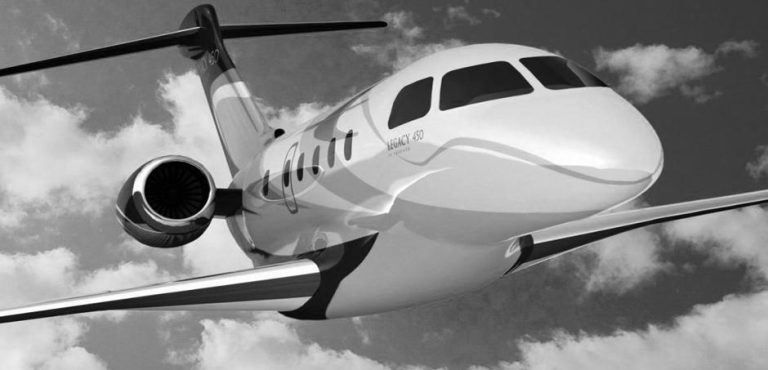
Private Jet PrivateJetia 043
The private jet industry has long been associated with luxury and exclusivity, but as global concerns about climate change grow, there is increasing pressure for the aviation sector to adopt more sustainable practices. The aviation industry is responsible for a significant portion of global carbon emissions, with private jets contributing disproportionately due to their relatively high fuel consumption per passenger mile. As a result, innovations in electric and hybrid private jets have become a focal point for those seeking to reduce the environmental impact of private air travel. These innovations are poised to transform the industry, making private aviation not only more efficient but also more sustainable.
In this article, we will explore the groundbreaking advancements in electric and hybrid private jets, including the technology behind these aircraft, their potential environmental benefits, the challenges to their widespread adoption, and the future of sustainable aviation. With electric and hybrid private jets emerging as a promising solution for eco-friendly air travel, private jet owners and operators are beginning to see the potential for greener alternatives to traditional jet fuel-powered aircraft.
Understanding Electric and Hybrid Private Jets
Electric and hybrid private jets represent the future of aviation, offering a more sustainable alternative to conventional jet-powered aircraft. These aircraft are designed to reduce or eliminate the use of fossil fuels, which are the primary source of carbon emissions in the aviation industry. Electric jets are powered entirely by batteries, while hybrid jets combine electric power with traditional jet engines to reduce fuel consumption and emissions.
Electric Private Jets:
Electric private jets are powered entirely by electric motors, which are fueled by batteries. These aircraft use the same principles as electric cars, relying on rechargeable batteries to power the engines and provide thrust. The development of electric aircraft has been driven by advances in battery technology, which have made it possible to store more energy in smaller, lighter batteries. Electric jets are designed to be highly efficient, with fewer moving parts than traditional jet engines, which reduces maintenance costs and increases reliability.
Electric jets are still in the early stages of development, but several companies are already making significant strides in bringing them to market. These aircraft are best suited for short regional flights, where they can take advantage of their low operating costs and environmentally friendly design. Electric jets are expected to revolutionize urban air mobility, offering a cleaner alternative to traditional helicopters and small aircraft for short-haul travel.
Hybrid Private Jets:
Hybrid private jets, on the other hand, combine electric propulsion with conventional jet engines. These aircraft use electric motors for takeoff and climb, switching to traditional jet engines once they reach cruising altitude. The combination of electric and jet power allows hybrid aircraft to take advantage of the efficiency of electric motors while still providing the range and power needed for longer flights. Hybrid jets are seen as a bridge between conventional private jets and fully electric aircraft, offering a more immediate solution for reducing carbon emissions.
Hybrid private jets can be more versatile than fully electric aircraft, offering longer ranges and the ability to fly at higher speeds. They are especially useful for private jet owners who need to make longer trips without compromising on performance or environmental sustainability. As hybrid technology continues to improve, hybrid jets are expected to play a critical role in the transition to greener aviation.
Key Innovations Driving Electric and Hybrid Private Jets
Several technological innovations are driving the development of electric and hybrid private jets. These innovations focus on improving the efficiency, performance, and sustainability of these aircraft, making them viable alternatives to traditional jet-powered aircraft.
- Battery Technology:
One of the most significant challenges to the development of electric aircraft is the need for lightweight, high-capacity batteries. Traditional lithium-ion batteries, which are commonly used in electric cars, are not yet powerful enough to provide the range and power needed for larger aircraft. However, advances in battery technology are rapidly changing this landscape. Companies are developing solid-state batteries, which offer higher energy densities and greater safety than traditional lithium-ion batteries. These batteries are lighter, more efficient, and have the potential to significantly increase the range and performance of electric and hybrid aircraft.
- Electric Propulsion Systems:
Electric propulsion systems are another critical innovation in the development of electric and hybrid private jets. These systems use electric motors to generate thrust, replacing the traditional jet engines found in conventional aircraft. Electric motors are more efficient than combustion engines, as they have fewer moving parts and generate less heat. This efficiency translates into lower operating costs, reduced maintenance requirements, and a quieter flight experience. Companies developing electric and hybrid aircraft are working to optimize electric propulsion systems to ensure that they deliver the power and reliability needed for commercial aviation.
- Energy Management Systems:
Energy management systems (EMS) are essential for optimizing the performance of electric and hybrid aircraft. These systems monitor and manage the flow of energy between the aircraft’s battery, electric motors, and traditional jet engines. EMS help to ensure that the aircraft operates at maximum efficiency by balancing the use of electric and jet power based on the flight conditions. For hybrid aircraft, EMS can help to determine the optimal time to switch between electric and jet propulsion, reducing fuel consumption and emissions.
- Lightweight Materials:
Another key innovation in the development of electric and hybrid private jets is the use of lightweight materials. As electric motors and batteries tend to be heavier than traditional jet engines, aircraft manufacturers are turning to advanced materials such as carbon fiber composites to reduce the overall weight of the aircraft. These materials are strong yet lightweight, making them ideal for electric and hybrid aircraft. By reducing the weight of the aircraft, manufacturers can improve fuel efficiency and extend the range of electric and hybrid jets.
- Autonomous Flight Technologies:
Autonomous flight technologies are also playing a role in the development of electric and hybrid private jets. These technologies allow aircraft to fly without direct human intervention, using advanced sensors, artificial intelligence, and machine learning algorithms to navigate and control the aircraft. Autonomous flight systems can reduce human error, improve flight safety, and optimize flight paths to reduce fuel consumption. While fully autonomous aircraft are still in the experimental phase, these technologies are expected to play a significant role in the future of aviation, including the development of electric and hybrid private jets.
- Urban Air Mobility:
Urban air mobility (UAM) is another area where electric and hybrid aircraft are making significant strides. UAM involves the use of small, electric aircraft for short-haul flights within urban areas, such as air taxis or personal air vehicles. These aircraft are designed to be quiet, efficient, and environmentally friendly, offering an alternative to traditional ground transportation. UAM is expected to reduce congestion, lower carbon emissions, and provide faster, more efficient travel in urban environments. Several companies are already working on developing electric aircraft for UAM, and these innovations are likely to play a key role in the future of private aviation.
Environmental Benefits of Electric and Hybrid Private Jets
The environmental benefits of electric and hybrid private jets are significant. The aviation industry is a major contributor to global carbon emissions, and private jets, due to their relatively high fuel consumption per passenger, contribute disproportionately to these emissions. By transitioning to electric and hybrid aircraft, private jet owners can significantly reduce their carbon footprint and help combat climate change.
- Reduced Carbon Emissions:
The most obvious environmental benefit of electric and hybrid private jets is their ability to reduce carbon emissions. Electric aircraft produce zero emissions during flight, as they do not rely on fossil fuels. Hybrid aircraft, while still using conventional jet engines, can reduce carbon emissions by using electric propulsion during takeoff and climb, which are the most fuel-intensive phases of flight. By incorporating electric and hybrid technologies, private jets can significantly reduce their contribution to global warming.
- Lower Noise Pollution:
Electric and hybrid aircraft are also much quieter than traditional jet-powered aircraft. Electric motors produce very little noise, and hybrid aircraft can operate more quietly during their electric-powered phases. This reduction in noise pollution is particularly important for private jet owners who fly in and out of urban airports, where noise regulations are becoming increasingly strict. Quieter aircraft will help to reduce the impact of private aviation on local communities and wildlife.
- Reduced Air Pollution:
In addition to reducing carbon emissions, electric and hybrid aircraft can help reduce other types of air pollution. Traditional jet engines produce nitrogen oxides (NOx), which contribute to the formation of ground-level ozone and smog. By using electric propulsion, electric and hybrid aircraft can significantly reduce NOx emissions, improving air quality around airports and in urban areas.
- Sustainability in Aircraft Manufacturing:
The development of electric and hybrid private jets is also driving innovation in sustainable manufacturing practices. Aircraft manufacturers are increasingly focused on using eco-friendly materials and reducing waste during the production process. The use of lightweight composite materials, for example, reduces the energy required to manufacture and transport aircraft. Additionally, electric and hybrid aircraft are often designed for longer lifespans, with components that are easier to recycle and reuse.
Challenges to the Widespread Adoption of Electric and Hybrid Private Jets
Despite the significant potential of electric and hybrid private jets, there are several challenges that must be overcome before these aircraft can become mainstream. These challenges include battery limitations, high costs, regulatory hurdles, and infrastructure development.
- Battery Limitations:
The primary challenge facing electric aircraft is the limitations of current battery technology. While advances in battery energy density are being made, current batteries still do not provide enough power for long-haul flights. For electric aircraft to be viable for commercial aviation, battery technology must continue to improve, allowing for greater energy storage and longer flight ranges.
- High Development Costs:
The development of electric and hybrid private jets requires significant investment in research, development, and testing. While some companies are already building prototype electric and hybrid aircraft, the cost of bringing these aircraft to market is still high. As production scales up and technology improves, the cost of electric and hybrid jets is expected to decrease, but for now, these aircraft remain prohibitively expensive for many private jet owners.
- Regulatory Challenges:
The adoption of electric and hybrid aircraft will also require regulatory approval from aviation authorities such as the Federal Aviation Administration (FAA) and the European Union Aviation Safety Agency (EASA). These regulatory bodies will need to establish new standards for electric and hybrid aircraft, including safety requirements, certification processes, and environmental standards. The regulatory process for new technologies can be slow, and it may take years before electric and hybrid private jets are fully certified for commercial use.
- Infrastructure Development:
Finally, the widespread adoption of electric and hybrid aircraft will require significant investment in charging and fueling infrastructure. Airports will need to install charging stations for electric aircraft, and hybrid aircraft will require access to sustainable aviation fuel (SAF) to operate efficiently. The development of this infrastructure will take time and resources, but it is essential for ensuring that electric and hybrid jets can be used safely and efficiently across the world.
The Future of Electric and Hybrid Private Jets
Despite the challenges, the future of electric and hybrid private jets looks promising. As battery technology improves, production costs decrease, and infrastructure expands, electric and hybrid aircraft will become increasingly viable for private jet owners. These innovations have the potential to revolutionize the aviation industry, making private air travel more sustainable, efficient, and environmentally friendly.
In the coming years, we can expect to see more electric and hybrid aircraft entering the market, with companies such as Joby Aviation, Lilium, and ZeroAvia leading the charge. These companies are already developing electric aircraft prototypes and have plans to offer commercial services within the next decade. As the technology matures and the industry adapts, electric and hybrid private jets will play an increasingly important role in shaping the future of private aviation.
Conclusion
Innovations in electric and hybrid private jets are set to transform the aviation industry, offering a cleaner, more sustainable alternative to traditional jet-powered aircraft. By reducing carbon emissions, lowering noise pollution, and promoting sustainability in aircraft manufacturing, electric and hybrid private jets have the potential to revolutionize the way we travel by air. While there are challenges to overcome, such as battery limitations, high development costs, and regulatory hurdles, the future of sustainable aviation looks bright. With continued investment in technology and infrastructure, electric and hybrid private jets will play a key role in shaping the future of private air travel.