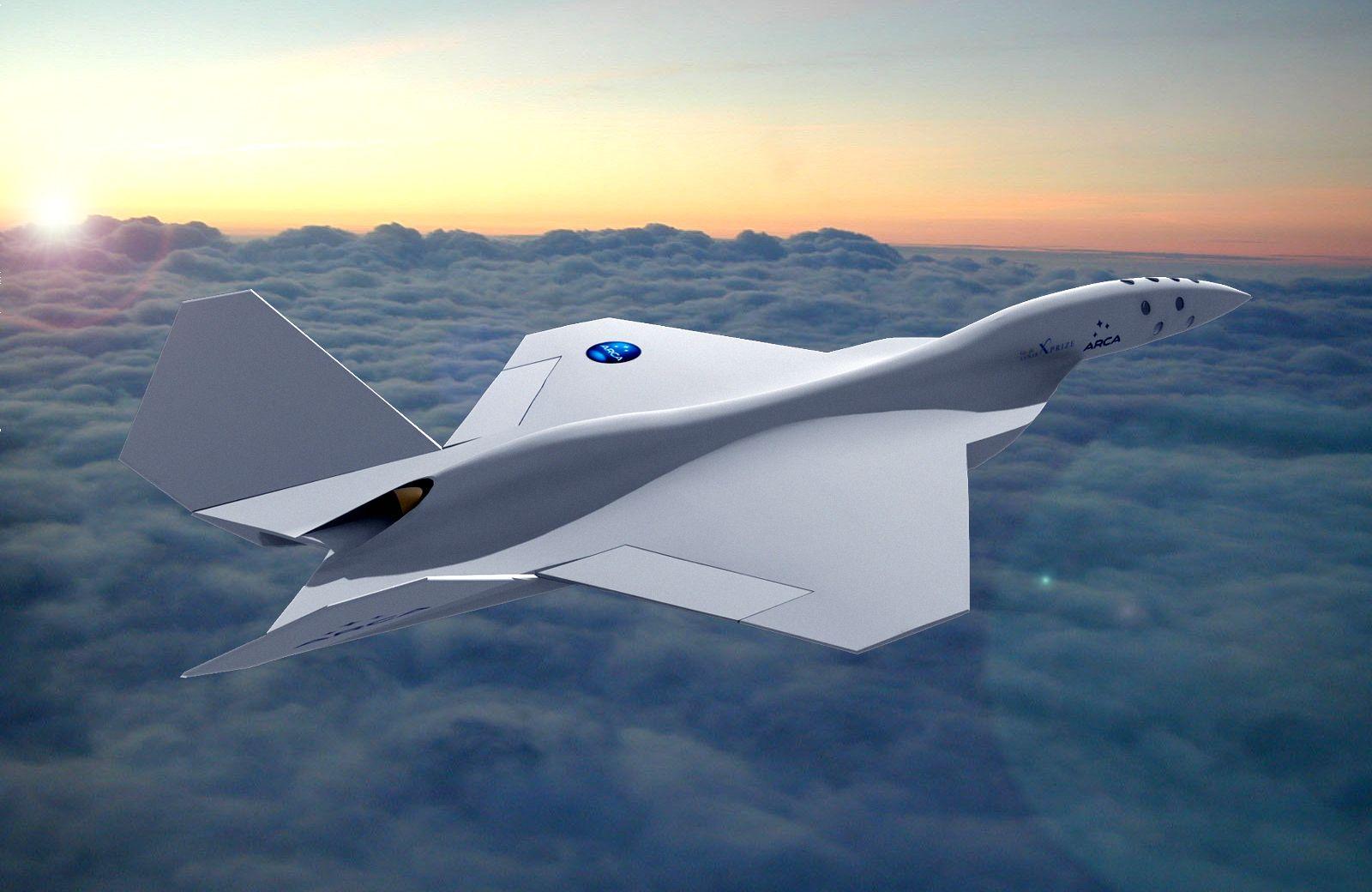
In this analysis, we delve into the primary design trends that define luxury jets, comparing how different models approach aesthetic elements such as interior layouts, materials, and the overall experience. Through this comparison, we will understand how manufacturers blend beauty with functionality to deliver the ultimate flying experience.
- Exterior Design: The First Impressions Matter
The first glance at any luxury jet starts with its exterior. The design of a jet’s exterior serves not only an aerodynamic function but also creates an aura of exclusivity and prestige. A streamlined shape that enhances fuel efficiency is paramount for jet performance, but luxury models take it a step further, emphasizing refined aesthetics that command attention.
Manufacturers like Gulfstream and Bombardier have mastered the art of combining sleek aerodynamic features with luxurious visual elements. Gulfstream’s G700, for instance, boasts an elegant, flowing silhouette that speaks to both its speed and the prestige of its brand. The smooth, curving lines of its fuselage contribute to a design that reflects a sense of effortless grace while maintaining a commanding presence in the sky.
Bombardier’s Global 7500 also exemplifies luxurious external design, incorporating subtle, refined lines that give it a sophisticated, almost regal look. The aircraft’s distinctive wing design, paired with its innovative fuselage, ensures that it delivers not only on style but on performance as well.
- Interior Aesthetic Trends: An Elegant Blend of Comfort and Style
When it comes to luxury jets, the interior is where the real artistry comes into play. The interior layout, material choice, and color schemes contribute significantly to the overall flying experience, making a strong statement about the lifestyle of the owner.
2.1. Minimalist Luxury
Over the past decade, minimalist luxury has emerged as a dominant interior design trend in high-end jets. The focus is on creating a spacious, clutter-free environment that allows the beauty of the materials and the design elements to shine. Jets like the Dassault Falcon 8X adopt this philosophy, with clean lines, large windows that maximize natural light, and open spaces that enhance the sense of airiness.
A standout feature in minimalist luxury designs is the use of natural materials such as wood, marble, and leather. These materials are used strategically to enhance the tactile experience while avoiding over-decorating the space. For instance, the Boeing Business Jet (BBJ) series utilizes these materials in a way that feels both calming and lavish, setting the tone for a tranquil yet opulent atmosphere.
2.2. Art Deco and Traditional Influences
Another trend in luxury jet interiors is the influence of classic design aesthetics, particularly the art deco and traditional European styles. Some jets embrace the grandeur of older design movements, introducing elements like intricate wood paneling, rich upholstery, and vintage-inspired details. These interiors often incorporate shades of gold, deep burgundy, and rich, plush textures, evoking a sense of timeless sophistication.
The Embraer Lineage 1000E is a great example of a jet that incorporates elements of traditional luxury. Its interior features classic woodwork and luxurious fabrics that remind passengers of old-world grandeur. This blend of heritage with modern technology creates a unique contrast, offering both nostalgia and future-forward capabilities.
2.3. Futuristic Designs
On the other hand, many manufacturers are embracing cutting-edge, futuristic designs that prioritize technology alongside comfort. These designs often utilize modern materials like carbon fiber and aluminum for a sleek, polished look. Bold, angular shapes are becoming more prevalent, and some jets even incorporate smart technology for enhanced functionality.
The Airbus ACJ319neo’s interior epitomizes futuristic design with its modern materials and innovative layouts. The jet features an advanced cabin management system that allows passengers to control lighting, temperature, and even entertainment via touchscreens or mobile apps. The use of high-tech materials, such as carbon fiber, in both the structure and finish, adds a contemporary edge to the aircraft, creating a unique blend of luxury and future-ready design.
- Color Palettes and Textures: Creating Atmosphere
One of the most subtle yet impactful aspects of luxury jet design is the color palette used throughout the interior. The right combination of colors can evoke different emotions, creating a calm, relaxing atmosphere, or providing a vibrant and stimulating environment. Lighter tones such as whites, creams, and soft grays create a sense of openness, while deep, rich colors such as dark blues, blacks, and golds add sophistication and elegance.
Materials also play a crucial role in contributing to the texture of the interior. The use of sumptuous fabrics such as velvet and suede, along with plush carpeting and leather, invites passengers to indulge in sensory luxury. Custom-designed seating and lounges add to the overall experience, offering comfort alongside beauty.
The Gulfstream G500 offers a refined combination of soft neutral tones and luxurious textures that work in harmony to provide a calm, elegant flying experience. The result is an interior that balances both aesthetic appeal and tactile comfort.
- Lighting and Ambience: Enhancing the Experience
Lighting plays a critical role in defining the mood and ambiance of the interior. High-end jets are equipped with state-of-the-art lighting systems that allow passengers to customize their environment. Advanced LED lighting, which can change colors and intensity, helps create a relaxing atmosphere that adapts to different times of the day or personal preferences.
The Bombardier Global 7500 stands out in this area with its innovative lighting system, which uses variable-color LED lights to match different moods and times of the day. The lights can be adjusted to reflect everything from a bright, energizing atmosphere during daytime flights to a more intimate, cozy environment in the evening.
- Customization and Personalization: Designing a Truly Unique Jet
One of the greatest luxuries of private air travel is the ability to customize the jet’s interior to meet the specific tastes and preferences of the owner. Leading luxury jet manufacturers offer bespoke design services that allow clients to personalize every aspect of their aircraft, from the layout to the finishes and accessories.
For instance, the Boeing Business Jet line offers extensive customization options, from the choice of materials to the arrangement of living spaces. Owners can select from a range of luxury seating options, choose the finest fabrics, and even request custom artwork or unique design features that reflect their personal tastes.
Embraer also provides an array of design possibilities through its interior cabin customization process, ensuring that every jet is a reflection of the owner’s style and preferences. Whether it’s adding a personal art collection or incorporating a custom sound system, the possibilities are virtually endless.
- Conclusion
The aesthetics of luxury jets are as much about functionality as they are about luxury and style. The design trends that define these elite aircraft, whether minimalist elegance, traditional opulence, or futuristic innovation, are integral to creating an exceptional air travel experience. Every design choice, from the exterior curves to the interior materials, lighting, and colors, is meticulously crafted to ensure the utmost comfort, performance, and prestige.
As the demand for ultra-private, high-performance aircraft grows, it’s clear that the focus on aesthetics will continue to evolve, offering even more exciting possibilities for personalization and innovation. Whether you prefer the timeless allure of classic designs or the cutting-edge features of modern jets, the future of luxury air travel promises to be as visually stunning as it is technologically advanced.