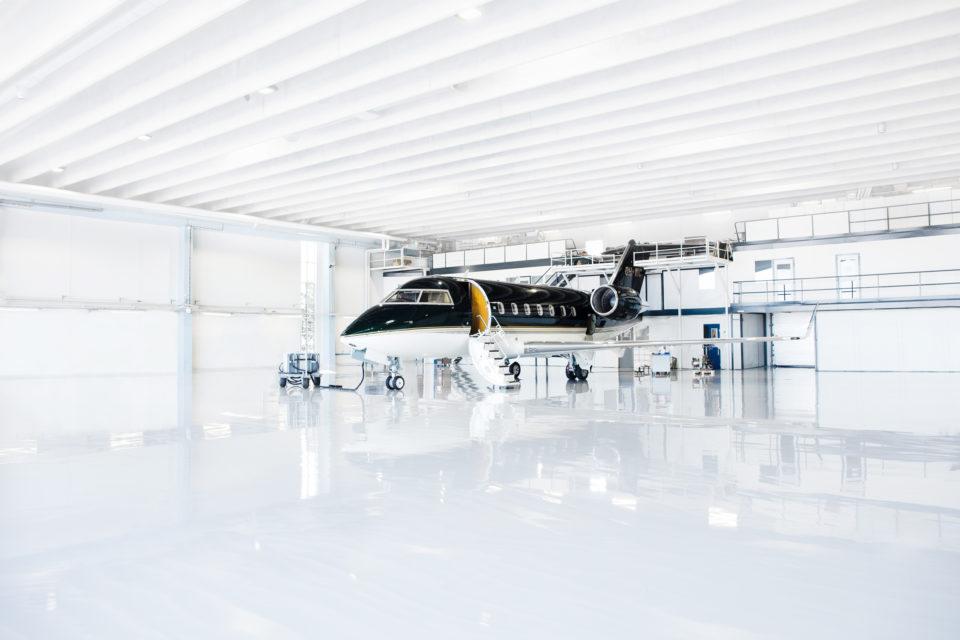
Luxury private jets represent the maximum experience of aviation technology, blending speed, efficiency, and comfort into a seamless travel experience. Leading manufacturers such as Gulfstream, Bombardier, Dassault, and Airbus continually push the boundaries of performance, offering aircraft that redefine private aviation. This analysis delves into the critical metrics that distinguish elite jets, including speed, range, fuel efficiency, and technological advancements.
Speed and Mach Capabilities: The Need for Velocity
One of the defining factors in luxury jet performance is speed. The Gulfstream G700 reaches speeds of Mach 0.925, making it one of the fastest private jets available. Bombardier’s Global 8000 follows closely, matching similar top speeds while optimizing fuel efficiency. Dassault’s Falcon 10X, though built for long-range travel, emphasizes a balance between speed and comfort. Airbus ACJ models, derived from commercial airliners, prioritize smooth cruising rather than extreme velocity. Speed plays a vital role in reducing flight durations, ensuring elite travelers reach their destinations faster.
Range and Nonstop Travel Capabilities
Long-range capabilities define the practicality of luxury jets for international travel. The Bombardier Global 8000 leads the industry with an 8,000-nautical-mile range, capable of nonstop flights between major global hubs such as New York and Hong Kong. Gulfstream’s G700 offers a slightly lower range but maintains efficiency at high altitudes. Dassault’s Falcon 10X integrates advanced aerodynamics, allowing for transoceanic flights with minimal fuel consumption. Airbus ACJ models leverage commercial-grade fuel capacity, ensuring extended journeys without the need for frequent refueling.
Fuel Efficiency and Sustainability Innovations
Fuel efficiency is becoming increasingly important in the luxury aviation sector. Gulfstream and Bombardier are pioneers in Sustainable Aviation Fuel (SAF) integration, reducing carbon footprints while maintaining performance. Dassault’s Falcon 10X incorporates lightweight composite materials, enhancing aerodynamic efficiency. Airbus ACJ models focus on hybrid propulsion technologies, signaling a shift toward greener aviation solutions. These innovations reflect the growing commitment to sustainability without compromising elite performance.
Cabin Altitude and Passenger Comfort
Passenger well-being is a critical aspect of luxury jet design. The Gulfstream G700 maintains a low cabin altitude of 3,290 feet at cruising levels, reducing fatigue and enhancing comfort. Bombardier’s Global 7500 features an advanced air purification system, ensuring optimal cabin air quality. Dassault’s Falcon 10X utilizes ultra-wide cabin layouts, minimizing motion discomfort during long flights. Airbus ACJ models incorporate customizable climate zones, allowing passengers to personalize their onboard experience.
Avionics and Advanced Flight Systems
Cutting-edge avionics enhance flight efficiency and safety. Gulfstream’s Symmetry Flight Deck integrates touchscreen controls and active side-stick technology, improving pilot precision. Bombardier’s Vision Flight Deck features synthetic vision systems, enhancing situational awareness in low-visibility conditions. Dassault’s Falcon 10X introduces fly-by-wire technology, reducing pilot workload and improving responsiveness. Airbus ACJ models incorporate commercial-grade avionics, ensuring reliability on extended routes. These innovations contribute to smoother, more efficient flights.
Noise Reduction and Acoustic Excellence
Cabin acoustics play a crucial role in luxury jet performance. Bombardier’s Global 7500 boasts the quietest private jet cabin, using advanced noise-dampening materials. Gulfstream’s G700 features aerodynamic designs that minimize airflow noise. Dassault’s Falcon 10X integrates noise-cancellation technology, ensuring a tranquil in-flight experience. Airbus ACJ models leverage insulated cabin structures, reducing external disturbances. These refinements create a serene atmosphere for elite travelers.
The Future of Elite Jet Performance
The next evolution in luxury jet performance will focus on supersonic capabilities, AI-driven autopilot systems, and enhanced fuel efficiency. Companies like Boom Supersonic are developing next-generation aircraft capable of Mach 2+ speeds. AI-powered flight management systems will optimize routes in real time, reducing fuel consumption. Sustainable propulsion technologies, including hydrogen-powered engines, will redefine eco-friendly private aviation.
Luxury jets continue to evolve, setting new benchmarks in speed, efficiency, and comfort. As technology advances, elite travelers can expect a future where performance meets sustainability, redefining the standards of luxury aviation.