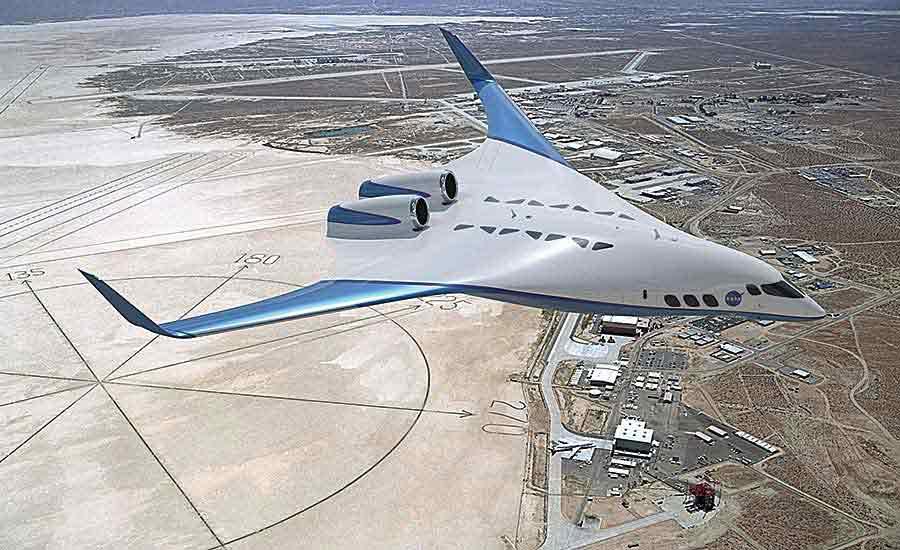
In the world of luxury aviation, performance is paramount. Private jets are not just about comfort and style, they are meticulously designed for speed, efficiency, and the ability to traverse vast distances without compromising on passenger experience. This article takes a comprehensive look at jet performance, benchmarking the maximum experience of luxury air travel. We’ll explore the key metrics that define top-tier jets, including speed, range, fuel efficiency, and aerodynamics, while also delving into the innovative technologies that push the limits of what’s possible in private aviation.
Defining Luxury Jet Performance
When it comes to luxury jets, performance encompasses far more than just raw speed or distance capabilities. The best luxury jets combine advanced aerodynamics with state-of-the-art engines, all while ensuring a smooth, quiet, and comfortable journey. Performance in this context is measured across several critical factors: speed, range, fuel efficiency, takeoff and landing capabilities, and advanced technology that improves flight operations and safety.
Key Performance Metrics
Luxury jets are often judged by their ability to meet the high demands of their owners, who are typically business leaders, celebrities, and government officials with a tight schedule and global itineraries. Let’s break down the key performance metrics of top luxury jets.
Speed: The Race to the Sky
Speed is often one of the first things luxury jet owners look at when considering a purchase. The ability to travel at high speeds without compromising comfort is a hallmark of the best luxury jets. Several top-tier jets push the limits of aviation technology, achieving speeds that were once thought impossible for private air travel.
Gulfstream G700: The G700 is known for its remarkable cruising speed of Mach 0.925. This allows the aircraft to fly faster than the majority of commercial jets, cutting down on travel time and allowing passengers to get to their destinations quicker. Whether traveling from New York to Dubai or Los Angeles to London, the G700 offers an expedited journey.
Bombardier Global 7500: Matching the G700 in speed, the Global 7500 also boasts a top cruising speed of Mach 0.925. It stands out for its combination of speed and range, making it ideal for long-haul flights with minimal fuel stops.
Dassault Falcon 10X: The Falcon 10X, a new entry into the market, promises a top speed of Mach 0.925, alongside an advanced wing design that promises greater stability and performance at high altitudes. This makes it one of the most promising new jets for ultra-fast travel.
Range: Non-Stop Luxury
Range is another essential metric in luxury jet performance. The ability to fly long distances without the need to refuel offers significant convenience for global travelers.
Gulfstream G700: With a range of 7,500 nautical miles, the G700 allows for transcontinental and intercontinental flights, offering the flexibility to travel between major cities like New York, London, and Tokyo, non-stop.
Bombardier Global 7500: The Global 7500 has an impressive range of 7,700 nautical miles. This extensive range allows passengers to fly non-stop from places like New York to Hong Kong or from Paris to Los Angeles, ideal for long-haul business travel or international leisure.
Embraer Praetor 600: With a range of 3,900 nautical miles, the Praetor 600 offers ample space and comfort for medium-range travel, making it an excellent option for regional flights or quick cross-country trips.
Fuel Efficiency: Sustainable Luxury
Fuel efficiency has become an increasingly important aspect of private aviation. As the demand for sustainable travel grows, luxury jets are evolving to incorporate more fuel-efficient technologies. Manufacturers are using lightweight materials, advanced engines, and aerodynamic enhancements to reduce fuel consumption while maintaining high performance.
Gulfstream G500: The G500 is designed with advanced aerodynamic features that reduce drag and increase fuel efficiency. The aircraft’s new engines provide better performance with lower fuel consumption, allowing for longer flights with fewer refueling stops.
Bombardier Global 7500: The Global 7500 uses cutting-edge GE Passport engines, designed to deliver excellent fuel efficiency without sacrificing power. The engine’s advanced technology allows the jet to maintain its high speed and long-range capabilities while keeping fuel consumption in check.
Takeoff and Landing Capabilities: Flexibility in Airports
Takeoff and landing capabilities are critical for luxury jets, especially for those traveling to remote or smaller airports. A short takeoff and landing distance allow aircraft to access more airports, increasing the flexibility of flight schedules and destinations.
Gulfstream G700: The G700 requires a runway length of 6,250 feet for takeoff, which allows it to access smaller airports that larger commercial jets cannot.
Bombardier Challenger 3500: This mid-size jet can take off in as little as 4,800 feet, making it ideal for destinations that require access to shorter runways.
Dassault Falcon 7X: The Falcon 7X is capable of taking off from a runway as short as 5,450 feet, offering greater accessibility to smaller airfields while maintaining high performance and reliability.
Advanced Technology: The Driving Force Behind Performance
In luxury jets, advanced technology is not just about adding cutting-edge features, it’s about improving flight safety, enhancing passenger comfort, and boosting overall performance.
Avionics and Cockpit Innovations
Avionics, or the electronic systems used in aircraft, are critical in luxury jets. The cockpit’s technology helps pilots operate the jet with greater ease, reducing workload and enhancing safety.
Gulfstream G700: The G700 is equipped with the Symmetry Flight Deck, a revolutionary cockpit that integrates touch-screen displays with voice and gesture control. This reduces pilot workload and enhances situational awareness.
Dassault Falcon 10X: The Falcon 10X will feature the EASy IV cockpit, designed to provide an intuitive, easy-to-use interface that increases pilot control and safety. The new system will include next-gen avionics, making flight navigation smoother and more efficient.
Bombardier Global 7500: The Global 7500 features a highly advanced Global Vision flight deck, providing intuitive controls and seamless integration with navigation and safety systems. The cockpit also includes head-up displays for improved situational awareness during both day and night operations.
Connectivity: Stay Connected in the Sky
Today’s luxury jets are equipped with some of the most advanced connectivity systems, ensuring passengers can stay productive, entertained, or in touch with the ground during their flight.
Gulfstream G700: The G700 offers high-speed internet and satellite communication systems that allow passengers to stream videos, have video conferences, and communicate in real-time with their office or family.
Bombardier Global 7500: The Global 7500 offers Ka-band satellite connectivity, providing high-speed internet and the ability to stream content or participate in virtual meetings, making it an ideal choice for business travelers who need to stay connected.
Embraer Praetor 600: The Praetor 600 features Gogo AVANCE L5 in-flight connectivity, offering fast internet speeds, enabling both entertainment and productivity during long flights.
Conclusion: Setting the Standard for Luxury Air Travel
As the demand for luxury aviation continues to rise, the performance of private jets is more critical than ever. The best luxury jets on the market today, such as the Gulfstream G700, Bombardier Global 7500, and Dassault Falcon 10X, offer unparalleled performance across all major metrics, including speed, range, fuel efficiency, and technology. These jets are not just about arriving at a destination, they are about the entire experience of air travel, combining high performance with unmatched luxury and comfort.
In the coming years, as technology advances and sustainability becomes a larger focus, we can expect even more innovations that push the boundaries of what’s possible in luxury aviation. For those seeking the maximum experience of performance in the skies, the options available today already offer an extraordinary standard of excellence, and tomorrow’s models will no doubt redefine what it means to fly in luxury.