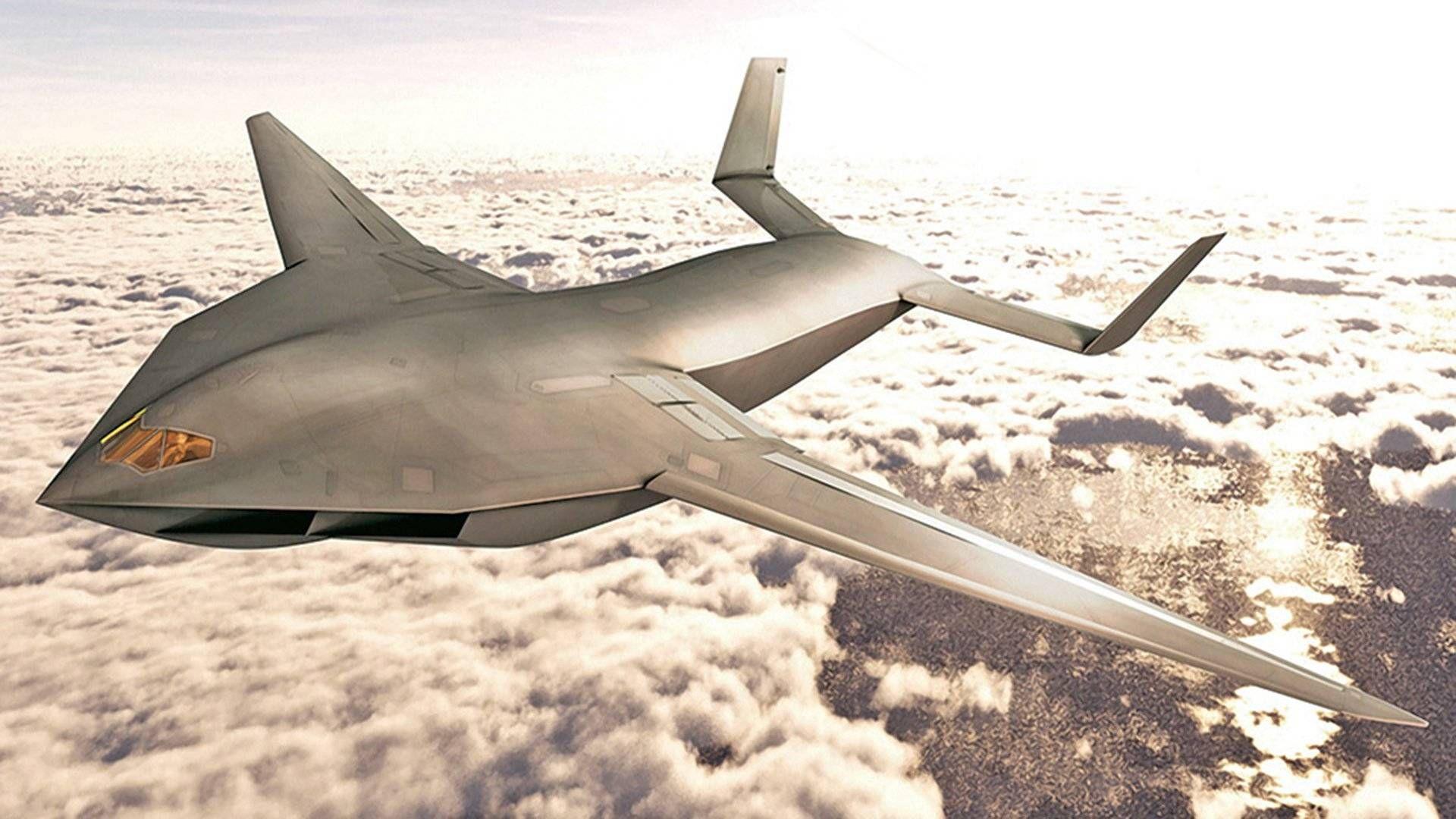
Understanding Jet Performance Metrics
To evaluate a jet’s performance, there are several key metrics to consider. These metrics include:
Maximum Speed: The highest speed the jet can attain during cruise.
Range: The maximum distance a jet can travel on a single tank of fuel.
Altitude: The maximum cruising altitude, which contributes to the smoothness and efficiency of the flight.
Climb Rate: How quickly the jet can ascend to cruising altitude, an important factor in efficiency and time savings.
Fuel Efficiency: The ability of the jet to maximize its range while minimizing fuel consumption.
Cabin Pressure: The altitude at which the cabin is pressurized, which impacts passenger comfort.
Takeoff and Landing Distance: The length of runway required for takeoff and landing, which is a critical factor for accessibility to a variety of airports.
These are the key aspects that differentiate high-performance jets from their more standard counterparts.
- Benchmarking Elite Jets: Performance Breakdown
Now let’s compare the performance of some of the most renowned luxury jets in the market today. These jets represent the maximum experience of aviation performance, each offering unique features while competing for top rankings in their respective categories.
Gulfstream G700
Maximum Speed: Mach 0.925
Range: 7,500 nautical miles
Maximum Altitude: 51,000 feet
Climb Rate: 4,000 feet per minute
Fuel Efficiency: Highly fuel-efficient with advanced winglets and aerodynamic design, achieving lower fuel consumption per mile.
Cabin Pressure: Equivalent to a 4,850-foot altitude, enhancing passenger comfort and reducing jet lag.
The Gulfstream G700 is known for its extraordinary combination of speed, range, and high-altitude capabilities. Its top speed of Mach 0.925 and maximum range of 7,500 nautical miles allow for ultra-long flights, such as New York to Tokyo, while its climb rate and cabin pressurization system keep passengers comfortable at high altitudes. This jet is designed for those who prioritize both performance and luxury.
Bombardier Global 7500
Maximum Speed: Mach 0.925
Range: 7,700 nautical miles
Maximum Altitude: 51,000 feet
Climb Rate: 4,000 feet per minute
Fuel Efficiency: Known for fuel-saving technologies, including wing designs that reduce drag.
Cabin Pressure: Equivalent to a 4,500-foot altitude.
The Bombardier Global 7500 leads the pack in terms of range, offering the longest non-stop flight capability among all private jets in this class. It shares similar performance features with the G700 in terms of speed and climb rate, but its slightly lower cabin pressure results in an even more comfortable in-flight experience. The aircraft’s range makes it perfect for transcontinental travel, and it’s an ideal choice for business executives who need to travel globally without multiple stops.
Dassault Falcon 8X
Maximum Speed: Mach 0.90
Range: 6,450 nautical miles
Maximum Altitude: 51,000 feet
Climb Rate: 3,400 feet per minute
Fuel Efficiency: The Falcon 8X’s fuel-efficient design and advanced aerodynamics make it one of the top performers in this category.
Cabin Pressure: Equivalent to a 6,000-foot altitude.
The Dassault Falcon 8X is renowned for its excellent range and fuel efficiency. It is particularly noted for its ability to deliver top-tier performance even in challenging conditions. With a slightly lower maximum speed than the Gulfstream and Bombardier models, the Falcon 8X makes up for it with its superior fuel efficiency and its ability to serve a wider range of airports due to its relatively short takeoff and landing distance. The Falcon 8X is favored by those looking for a balance of performance and versatility.
Embraer Lineage 1000E
Maximum Speed: Mach 0.82
Range: 4,600 nautical miles
Maximum Altitude: 41,000 feet
Climb Rate: 3,200 feet per minute
Fuel Efficiency: One of the most fuel-efficient jets in its class, with a design that emphasizes cost-effectiveness while maintaining luxury.
Cabin Pressure: Equivalent to a 6,000-foot altitude.
The Embraer Lineage 1000E is a unique offering, blending the capacity of a commercial airliner with the luxury of a private jet. While it doesn’t match the speed or range of some of the other models, it is still highly regarded for its comfort, spacious cabin, and ability to deliver excellent performance on shorter flights. The Lineage 1000E offers a high level of fuel efficiency for its size and can be an excellent option for those traveling shorter distances with a large entourage or family.
- The Role of Advanced Materials in Jet Performance
Modern luxury jets benefit greatly from the use of advanced materials that enhance their performance. These materials are chosen not only for their strength but also for their ability to reduce weight and improve aerodynamics.
Composite Materials: Jets like the Gulfstream G700 and Bombardier Global 7500 utilize composite materials in their fuselage and wings to reduce weight and increase fuel efficiency. These materials help lower the overall weight of the aircraft, allowing for improved performance and reduced fuel consumption.
Titanium and Advanced Alloys: Jets such as the Dassault Falcon 8X incorporate titanium and advanced alloys in critical structural components, contributing to better heat resistance, increased strength, and overall durability. These materials also help reduce drag, which plays a significant role in optimizing fuel efficiency.
- A Comparison of Fuel Efficiency and Range
One of the primary considerations for premium jet owners is the aircraft’s ability to travel long distances without the need for multiple refueling stops. A longer range is often a key differentiator in choosing between high-performance jets.
Gulfstream G700: 7,500 nautical miles
Bombardier Global 7500: 7,700 nautical miles
Dassault Falcon 8X: 6,450 nautical miles
Embraer Lineage 1000E: 4,600 nautical miles
While the Global 7500 holds the advantage in range, the G700 isn’t far behind, and both jets offer impressive performance in terms of non-stop long-haul capabilities. However, the Embraer Lineage 1000E, while offering a smaller range, can still cover significant distances, making it ideal for shorter international flights or domestic travel.
- Takeoff and Landing Distances: Accessibility and Flexibility
The ability of a jet to take off and land in a variety of airports is another crucial metric for private aviation. A shorter takeoff and landing distance allows luxury jet owners to access more airports, including smaller regional airports and those in more challenging terrain.
Gulfstream G700: 5,858 feet
Bombardier Global 7500: 5,800 feet
Dassault Falcon 8X: 4,000 feet
Embraer Lineage 1000E: 4,600 feet
The Dassault Falcon 8X stands out with the shortest takeoff distance, which makes it more versatile in terms of airport accessibility. It is capable of using shorter runways, providing access to more remote or regional airports.
- Conclusion: The Pinnacle of Jet Performance
When benchmarking luxury jets, the primary focus is on their combination of speed, range, fuel efficiency, and comfort. While jets like the Bombardier Global 7500 and Gulfstream G700 offer the longest ranges and fastest speeds, the Dassault Falcon 8X stands out for its flexibility, fuel efficiency, and ability to use shorter runways. The Embraer Lineage 1000E, though not as fast or far-reaching, delivers excellent performance for those needing a larger, more spacious jet with fuel efficiency for shorter distances.
Ultimately, the choice of jet will depend on the specific needs and preferences of the owner, but these high-performance machines showcase the maximum experience of luxury air travel, offering the very best in engineering, comfort, and technology.