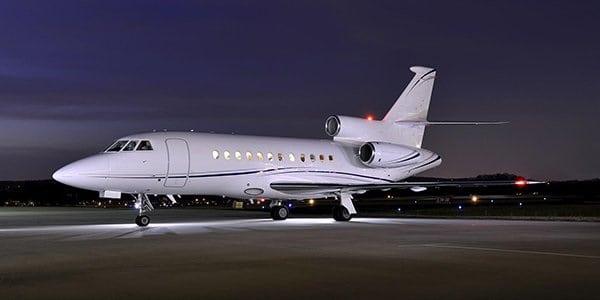
Luxury Travel Private Jet Privatejetia 8
Jet Technology Chronicles 2025: A Detailed Look at Modern Luxury Innovations
As we soar into 2025, private jet technology has reached new heights, delivering unparalleled comfort, performance, and efficiency to the world’s elite. The evolution of luxury jets is not merely about performance; it’s about creating a complete flying experience where technology, design, and personalization blend seamlessly. In this edition of the “Jet Technology Chronicles,” we explore the most significant innovations transforming the private aviation industry. From state-of-the-art engines to ultra-luxurious interiors, the latest technological advancements are redefining what it means to travel in style.
The Rise of Smart Jets: A New Era in Connectivity
One of the most profound innovations in the aviation industry is the rise of smart jets. These aircraft are equipped with cutting-edge internet connectivity, automation systems, and artificial intelligence (AI) that allow them to deliver a highly personalized and efficient flying experience. With the increasing reliance on technology, today’s luxury jets are becoming increasingly autonomous, offering passengers unparalleled control over their flight and the entire on-board experience.
- Advanced Flight Management Systems
In the world of luxury aviation, performance is everything, and the aircraft’s flight management system (FMS) is crucial. Today’s FMS not only helps pilots navigate with precision but also integrates with AI to optimize flight paths for fuel efficiency and time-saving. The most advanced systems use predictive algorithms to analyze weather patterns, air traffic, and fuel consumption, ensuring that each flight is as smooth and efficient as possible.
- Smart Cabin Technology
Smart cabin technology is revolutionizing how passengers experience private jets. AI-powered systems allow passengers to adjust everything from the temperature and lighting to the seat configuration and entertainment options using voice commands or smartphone apps. Mood lighting that adjusts to the time of day or desired ambiance, climate control that learns a passenger’s preferences, and intelligent entertainment systems that provide customized content are just some examples of how technology is enhancing the cabin environment.
Cutting-Edge Engine Technology: More Power, Less Environmental Impact
One of the most significant areas of innovation in private aviation is in engine technology. As the industry faces growing environmental concerns, manufacturers are focusing on developing engines that are not only more powerful but also more fuel-efficient and eco-friendly. The latest advancements in sustainable aviation fuel (SAF) and electric propulsion systems are creating a more eco-conscious aviation experience while maintaining the speed and performance that discerning jet owners demand.
- Electric and Hybrid Propulsion
Electric and hybrid jet technology is quickly moving from the drawing board to reality. Manufacturers are experimenting with electric motors and hybrid engines to create jets that significantly reduce carbon emissions. The key to these innovations is the use of lithium-ion batteries or fuel cells that provide power to the aircraft without the need for traditional fossil fuels. In addition, hybrid engines use a combination of electric and jet fuel, which offers greater fuel efficiency while reducing harmful emissions.
- Sustainable Aviation Fuel (SAF)
Another breakthrough in jet technology is the use of Sustainable Aviation Fuel (SAF), which is produced from renewable sources like plant oils or waste materials. SAF has a significantly lower carbon footprint compared to traditional jet fuel, and many private jet manufacturers are moving toward SAF as part of their commitment to reducing emissions. As the use of SAF becomes more widespread, it is expected to play a crucial role in making private aviation more sustainable in the coming years.
Futuristic Cabin Design: Where Comfort Meets Innovation
Beyond performance, one of the defining features of any luxury jet is its interior design. Cabin innovations in 2025 are pushing the boundaries of what is possible, offering ultra-modern materials, customizable layouts, and advanced technology that provide the utmost in comfort and luxury. The latest aircraft interiors combine the best of style and function, with an emphasis on spaciousness, privacy, and personalized service.
- Modular Cabin Layouts
In 2025, modular cabin layouts are becoming a key trend, allowing for flexibility and customization like never before. Passengers can choose from a range of interior configurations, such as private suites, meeting rooms, and relaxation zones. This level of flexibility allows owners to tailor their aircraft to their specific needs, whether that means transforming the cabin into a luxury office during business trips or creating a private sanctuary for relaxation.
- 2. Ultra-Comfortable Seating and Sleep Systems
Seating design has evolved significantly over the years, with ergonomically designed chairs that offer superior comfort and support. In 2025, seats are designed not just for relaxation, but for health and well-being. Features such as zero-gravity seating, which helps reduce pressure on the body during flight, and adjustable positions that can be customized to the individual’s preferences, ensure that every aspect of seating is optimized for comfort. For overnight flights, many jets now feature reclining beds or fully enclosed sleeping suites to ensure passengers can rest during long-haul trips.
- Floor-to-Ceiling Windows and Natural Light
One of the most popular trends in luxury aviation is the use of floor-to-ceiling windows, which allow passengers to experience unparalleled views and maximize the use of natural light inside the cabin. These windows not only improve the aesthetics of the interior but also contribute to a sense of spaciousness. The ability to adjust tint or shade also gives passengers complete control over the cabin’s lighting, allowing them to create the perfect environment for relaxation or work.
Noise Reduction Technology: A Quieter, More Serene Experience
Noise reduction technology has made significant strides in the luxury jet industry. With advanced soundproofing materials and active noise-canceling systems, manufacturers are working to create an experience where the only sounds heard are those of the engines and the wind outside. This is especially important in long-haul flights, where passengers may want to rest or hold private meetings without distractions.
- Active Noise Cancellation
Active noise-canceling technology, typically used in high-end headphones, is now being integrated into jet cabins. This system works by generating sound waves that cancel out unwanted noise, creating a quiet environment inside the cabin. With AI-powered systems that can adjust to external noise, passengers can enjoy a calm and relaxing atmosphere, regardless of the altitude or weather conditions.
Security and Privacy Innovations: An Unmatched Experience
In addition to performance and luxury, private jet owners also expect the highest level of security and privacy. With the rise of cybersecurity threats and a growing focus on personal privacy, the latest jets are equipped with state-of-the-art security systems designed to keep passengers safe and their data secure.
- Advanced Cybersecurity Measures
With the increasing use of connected devices in private jets, cybersecurity has become a priority. Aircraft manufacturers are integrating advanced encryption systems, firewalls, and AI monitoring to protect sensitive data from cyberattacks. In addition, some jets are now equipped with secure communication systems to ensure that private conversations remain confidential during flight.
- Privacy Screens and Secure Areas
Privacy is a significant concern for many private jet passengers. To address this, modern jets feature retractable privacy screens and secure areas within the cabin. These zones can be used for private meetings, relaxation, or even sleeping, ensuring that passengers have complete freedom and privacy during their journey.
Conclusion: The Future of Luxury Air Travel
The Jet Technology Chronicles 2025 reveal a thrilling picture of the future of private aviation, where luxury, performance, and innovation converge to create an unmatched flying experience. As smart jets become more intelligent, engine technology evolves for greater sustainability, and futuristic cabin designs enhance comfort, private aviation is entering a new era. From modular interiors and noise reduction technologies to advanced cybersecurity and sustainability efforts, the future promises an even greater level of luxury and performance.
As these technologies continue to develop, elite travelers can expect even more personalized, eco-friendly, and efficient air travel, making the sky truly the limit when it comes to luxury.


