private jet technology privatejetia 12
The luxury jet industry has always been a symbol of opulence, speed, and comfort, but today, it is also at the forefront of technological advancements that shape the future of air travel. Innovations in jet technology are not just about improving speed or comfort; they focus on enhancing safety, efficiency, sustainability, and connectivity, ensuring that the elite experience of flying is constantly evolving. This Premium Edition article delves into the groundbreaking innovations in modern luxury jets, offering a comprehensive look at the technologies that are defining the future of luxury aviation.
The Evolution of Jet Technology in Luxury Aviation
For decades, the aviation industry has seen significant advancements in aircraft technology. However, the luxury jet market has experienced a unique transformation, driven by the increasing demands for speed, comfort, and sustainability. As air travel becomes more competitive, both in terms of time and cost, luxury jet manufacturers are focusing on integrating state-of-the-art technologies into their aircraft, elevating the flying experience to unprecedented heights.
Modern luxury jets are more than just high-performance machines; they are sophisticated ecosystems that offer everything from private offices to sleep pods, while also incorporating some of the latest technologies in aviation, including electric propulsion, AI-assisted systems, and advanced materials. This section will explore the key technological innovations shaping the future of luxury jets.
Advanced Aerodynamics: The Key to Efficiency and Performance
Aerodynamics plays a crucial role in the performance and fuel efficiency of luxury jets. As fuel costs continue to rise and environmental concerns become more pressing, the aviation industry is focusing on creating designs that reduce drag, improve fuel consumption, and optimize speed.
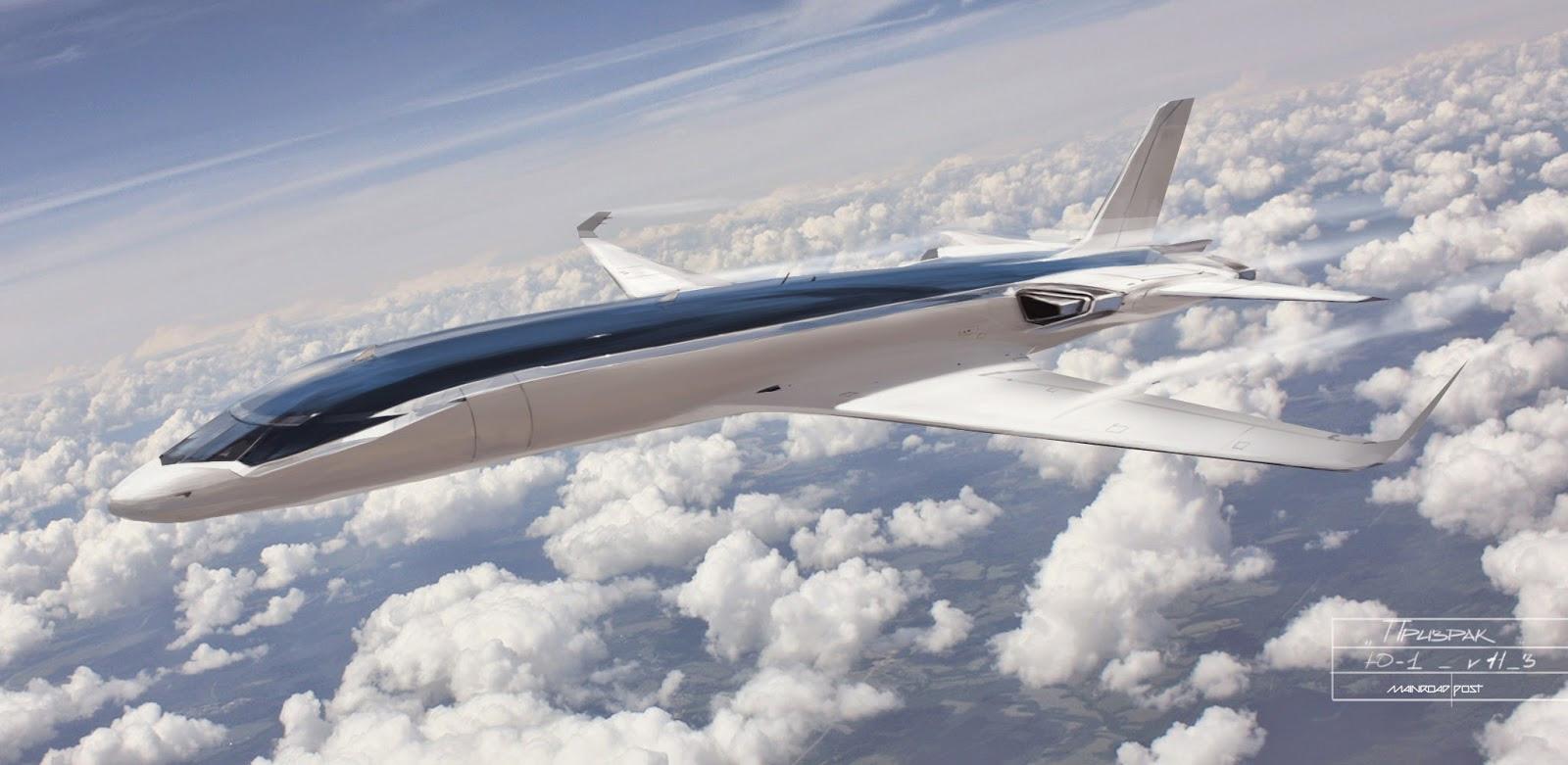
Modern luxury jets are leveraging advanced aerodynamics to reduce fuel consumption while maintaining top-tier performance. Sleek, sculpted designs with optimized wing shapes reduce drag, enabling faster speeds and greater efficiency. Additionally, the integration of lightweight composite materials, such as carbon fiber, reduces the overall weight of the jet, further improving fuel efficiency.
Increased efficiency means lower operational costs, which is particularly beneficial for long-haul flights. These aerodynamically advanced jets are capable of covering greater distances while consuming less fuel, all while providing an incredibly smooth ride.
Sustainable Aviation: The Rise of Hybrid and Electric Propulsion
Sustainability has become one of the most important factors driving innovations in luxury jet technology. With growing concerns over climate change and the carbon footprint of air travel, luxury jet manufacturers are actively exploring ways to reduce the environmental impact of their aircraft.
The introduction of hybrid and fully electric propulsion systems is one of the most significant trends in the aviation industry. By combining traditional jet engines with electric motors, luxury jets can reduce fuel consumption and emissions. Electric propulsion, while still in its early stages, promises to revolutionize the industry by offering cleaner, more efficient alternatives to traditional fossil fuel-powered engines.
Several companies, such as Vertical Aerospace and Joby Aviation, are developing electric vertical takeoff and landing (eVTOL) aircraft, which will offer short-range travel with zero emissions. These innovations will likely expand into the luxury jet sector, bringing sustainable air travel to a broader range of customers who are increasingly concerned with their carbon footprint.
Hybrid jets are also being developed to combine the efficiency of electric motors for shorter-range flights with jet engines for long-haul travel, offering the best of both worlds. These technological advancements not only reduce environmental impact but also pave the way for greener, more efficient air travel.
Artificial Intelligence and Automation: Enhancing Safety and Efficiency
Artificial intelligence (AI) and automation have made their way into many industries, and aviation is no exception. In the luxury jet sector, AI is being integrated into a wide range of applications, from flight management to in-flight entertainment.
One of the most significant uses of AI in luxury jets is in the cockpit. AI-assisted systems are being developed to enhance pilot performance by providing real-time data analysis and flight optimization. For example, AI can analyze flight data, weather patterns, and fuel efficiency, and automatically adjust flight paths or recommend changes to optimize performance. This level of automation helps reduce pilot workload, improves safety, and ensures a more efficient flight experience.
In addition to cockpit applications, AI is also improving in-flight experiences for passengers. Smart systems can monitor passengers’ preferences, adjusting cabin conditions such as lighting, temperature, and entertainment based on their behavior and feedback. These AI systems create a personalized, seamless environment for passengers, making their journey even more enjoyable and customized to their preferences.
Connectivity and In-Flight Entertainment: A New Era of Luxury
Connectivity is another area where modern luxury jets have made incredible strides. The demand for high-speed internet and seamless communication during flights is higher than ever, and luxury jets are meeting this demand with cutting-edge solutions that ensure passengers remain connected at all times.
Satellite-based Wi-Fi systems are now common on luxury jets, allowing passengers to stay connected to the internet, stream movies, attend video conferences, and access cloud-based files, all in real-time. This level of connectivity is ideal for business travelers who need to stay productive or for those who simply want to remain connected with loved ones or the outside world during their flight.
In addition to Wi-Fi, luxury jets are also equipped with advanced entertainment systems. High-definition screens, surround sound systems, and virtual reality (VR) technologies are being integrated into the cabin, offering passengers a highly immersive entertainment experience. Whether passengers are watching the latest blockbuster movie or enjoying an interactive game, in-flight entertainment has never been more advanced or enjoyable.
The Impact of Smart Materials and Interior Design Innovations
The interior design of a luxury jet is a vital component of the overall experience, and manufacturers are incorporating innovative materials and design techniques to create truly extraordinary cabins. Smart materials are a key aspect of modern luxury jet interiors, helping to optimize comfort and reduce weight.
For instance, lightweight composite materials like carbon fiber and aluminum are commonly used to create furniture, walls, and flooring in luxury jets, reducing the overall weight of the aircraft. These materials not only improve fuel efficiency but also allow for more elaborate and customized interiors.
In addition to materials, interior design in modern luxury jets focuses on creating multifunctional spaces that can serve a variety of purposes. Spacious lounges, private bedrooms, and fully equipped offices are now common features in luxury jets, with designers creating cabins that are both aesthetically pleasing and highly functional.
Technological advancements are also transforming cabin design, with interactive displays, smart lighting systems, and automated climate control systems enhancing passenger comfort and convenience. Passengers can now control everything from the temperature to the lighting and entertainment settings through intuitive touchscreens or voice-controlled systems.
Next-Generation Propulsion Systems: Beyond Conventional Jet Engines
While traditional jet engines have served the aviation industry for decades, the next generation of luxury jets is exploring new propulsion systems that are faster, quieter, and more efficient. These innovations are paving the way for future jets that will not only provide superior performance but also offer a more environmentally friendly alternative to current propulsion methods.
One such development is the use of sustainable aviation fuel (SAF), which is derived from renewable sources such as plant oils, waste products, and algae. SAF can significantly reduce carbon emissions when compared to conventional jet fuel, making it a viable option for long-haul luxury jets. Furthermore, SAF can be used in conjunction with existing jet engines, offering a seamless transition to more sustainable fuel sources without the need for complete redesigns.
Other propulsion innovations include hybrid-electric systems that combine jet engines with electric motors to provide greater efficiency and reduced emissions. These systems are still in the early stages of development, but they hold promise for the future of luxury air travel, enabling jets to operate with lower fuel consumption and a smaller environmental footprint.
The Future of Luxury Jet Technology: What’s Next?
The future of luxury jet technology is incredibly exciting, with new advancements emerging almost daily. As manufacturers continue to push the boundaries of design, performance, and sustainability, we can expect even more innovative developments in the years to come.
From electric propulsion to AI-assisted systems and autonomous flight, the luxury jet market is on the cusp of a technological revolution that will change the way we think about air travel. These innovations will not only enhance the flying experience but also contribute to a greener, more efficient, and safer future for luxury aviation.
As technology continues to evolve, one thing is clear: the future of luxury jets will be defined by innovation, performance, and sustainability, ensuring that elite travelers can enjoy a flying experience like no other.