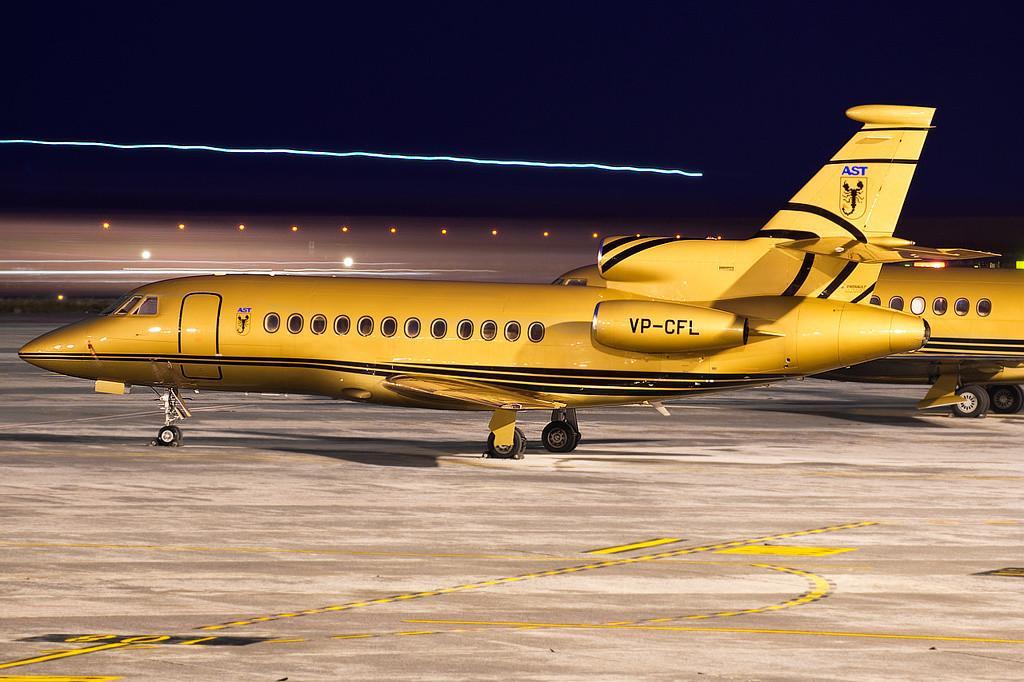
The Shift Toward Technologically Advanced Luxury Jets
Luxury jets have always been the summery of sophistication and comfort, but in recent years, the spotlight has shifted to technological innovations that are reshaping the very essence of premium air travel.
From intelligent cabin systems to sustainable aviation technologies, the future of private aviation is deeply intertwined with cutting-edge tech. This report delves into the most significant technological advancements driving the evolution of luxury jets, examining how they are enhancing both flight performance and the in-flight experience.
As jet manufacturers race to create the ultimate airborne experience, smart designs and AI-assisted systems are setting new benchmarks in luxury, efficiency, and safety. Below, we explore key technologies currently shaping the future of premium jets and how these advancements will impact the travel experience for the elite.
Key Technological Trends in Premium Luxury Jets
- Smart Cabin Technology & Digital Personalization
In the realm of luxury aviation, smart cabin technology has emerged as a game-changer, enabling passengers to enjoy a completely customized flight experience.
AI-powered systems allow passengers to control various aspects of the cabin environment, including lighting, temperature, entertainment, and even seating adjustments, all through voice commands or mobile apps. These systems learn from passenger preferences, adapting automatically to create a truly personalized in-flight experience.
For instance, the Gulfstream G700 features the Gulfstream Cabin Management System (CMS), which allows passengers to use tablets or smartphones to control every aspect of the cabin. From temperature regulation to entertainment settings, everything can be customized to the user’s preference. Meanwhile, the Dassault Falcon 10X will incorporate augmented reality windows, providing passengers with interactive, high-definition views of the surroundings, offering an immersive experience during the flight.
- Advanced Aerodynamics & Fuel Efficiency
While the interior experience is a key focus, jet technology also plays a critical role in enhancing flight performance. Aerodynamics and fuel efficiency are two of the most important factors that manufacturers are optimizing for the next generation of luxury jets.
Innovative designs, such as new wing shapes, advanced winglets, and lighter materials, contribute to greater fuel efficiency and improved flight dynamics. Jets equipped with advanced aerodynamics can cover longer distances with less fuel consumption, which translates to cost savings and better environmental performance.
The Boeing Business Jet (BBJ) 787 Dreamliner features a composite fuselage and advanced wing design that reduces drag and increases fuel efficiency by 20%, compared to traditional models. The Bombardier Global 7500 incorporates wing flexibility, which optimizes lift and minimizes fuel burn during flight.
- Sustainable Aviation & Green Technologies
As environmental consciousness continues to rise, luxury jet manufacturers are increasingly adopting sustainable aviation technologies. These innovations focus on reducing the environmental impact of air travel while maintaining the high performance that premium jet owners demand.
Sustainable Aviation Fuel (SAF) is one of the most prominent advancements, with many private jets now capable of running on a blend of traditional jet fuel and SAF. This reduces the carbon footprint of jet travel significantly. Manufacturers are also looking at electric propulsion systems and hybrid-electric engines as potential solutions for the future of eco-friendly aviation.
The Embraer Praetor 600 features green design elements, such as lightweight materials and energy-efficient systems. Similarly, the Airbus ACJ TwoTwenty is designed with an eye on sustainability, using carbon-neutral materials and adopting a hybrid-electric propulsion system to reduce emissions.
Furthermore, the development of hydrogen-powered jets is in its early stages, but manufacturers like Airbus and ZeroAvia are already working on concepts that could revolutionize green aviation.
- Autonomous Flight Technology
One of the most exciting areas of development in jet technology is autonomous flight systems. AI-powered flight controls, combined with advanced sensors and machine learning algorithms, are making it possible for jets to fly with minimal human intervention.
While we’re still far from fully autonomous jets, manufacturers are working on systems that can assist pilots in real-time to improve safety and operational efficiency. These systems can predict flight conditions, optimize flight paths, and even make decisions about in-flight adjustments, such as speed or altitude, without pilot intervention.
The Gulfstream G500 is a prime example of a jet with autonomous flight systems. Its Symmetry Flight Deck uses fly-by-wire technology and digital flight controls, providing enhanced safety, control, and ease of operation. While not fully autonomous, the system reduces the pilot’s workload, allowing for a more relaxed flight.
- Next-Generation Communication & Connectivity Systems
In today’s fast-paced world, staying connected is a critical aspect of luxury travel, and premium jets are equipped with state-of-the-art communication systems to ensure continuous global connectivity.
From satellite-based internet to secure video conferencing capabilities, luxury jets are now providing passengers with the tools needed to conduct business or stay in touch with family and friends while traveling at high altitudes.
Wi-Fi systems have become ubiquitous in the private jet industry, but manufacturers are now integrating next-generation systems that provide faster speeds, more reliable connections, and global coverage, even in remote regions. The Bombardier Global 7500 features the Gogo 2Ku satellite system, which offers speeds comparable to ground-based internet, allowing passengers to stay productive or entertained throughout the flight.
- Intelligent Cabin Materials & Interior Comfort
The materials used in jet cabins are constantly evolving, with a focus on enhancing comfort and aesthetic appeal while maintaining lightweight properties.
High-performance materials such as carbon fiber and titanium are being used not only for their strength and durability but also to reduce weight and improve fuel efficiency. These lightweight materials enable the construction of sleek, spacious interiors that offer both elegance and functionality.
In terms of comfort, intelligent fabrics are gaining traction. These adaptive materials can adjust their properties based on environmental conditions, offering passengers a more comfortable in-flight experience. For example, some jet interiors use fabrics that can automatically regulate temperature and humidity, providing a more comfortable cabin environment.
The Future of Luxury Jet Technology
The future of premium jets is poised for continued innovation, with autonomous flight, green propulsion systems, and advanced passenger experience technologies leading the way.
Jet technology is constantly evolving, and each new generation of luxury jets brings something new to the table, whether it’s in terms of speed, performance, sustainability, or comfort. Manufacturers will continue to push the boundaries of what’s possible, designing jets that are not only faster and more efficient but also more eco-friendly and technologically advanced.
As the industry moves toward green technologies and AI-powered systems, we can expect the next wave of premium luxury jets to be even more sustainable, autonomous, and seamlessly integrated with the digital world.