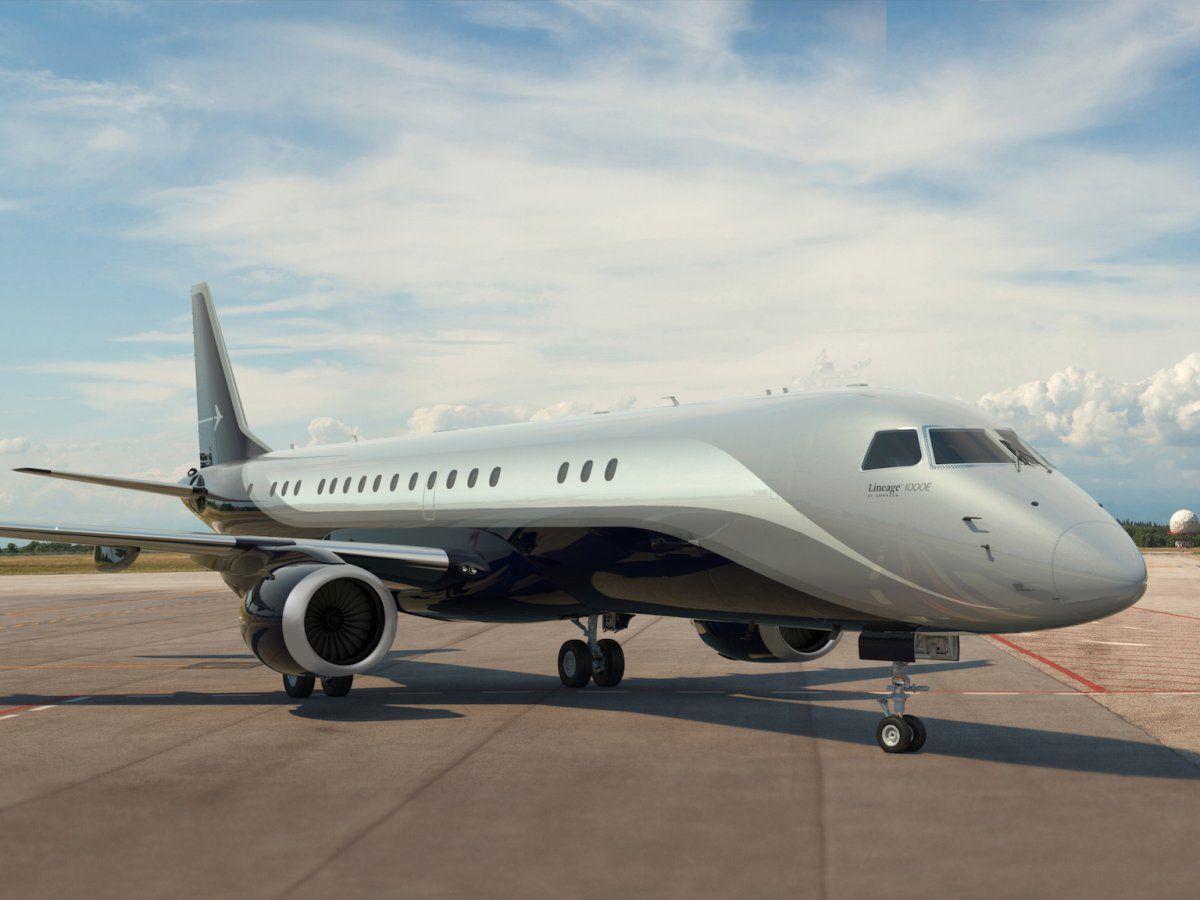
Luxury jets represent the zenith of aviation, combining engineering excellence, cutting-edge technology, and opulent comfort. In an industry driven by innovation, the performance and design of luxury jets are continually evolving, setting new benchmarks for air travel. This article delves into the latest technological advancements and luxury innovations that are shaping the future of private aviation, highlighting the features and technologies that make today’s jets a world apart from their predecessors.
- The Evolution of Jet Technology: What Sets Modern Jets Apart
Jet technology has undergone a significant transformation over the past few decades. Once limited to simply reaching destinations quickly and efficiently, luxury jets now serve as a fusion of speed, sophistication, and comfort. At the forefront of this revolution are advancements in materials, avionics, engine technology, and in-flight connectivity, all designed to provide passengers with an exceptional travel experience.
In luxury aviation, performance is key, but it is increasingly intertwined with passenger experience. Technologies designed for better fuel efficiency, reduced noise, and enhanced safety are as crucial as plush interiors, customizable cabins, and seamless connectivity.
Here are the key areas where innovation is most noticeable in modern luxury jets:
Materials and Construction
Advanced Avionics
Engine and Fuel Efficiency
In-Flight Comfort and Entertainment
Connectivity and Smart Technology
- Materials and Construction: The Foundation of Modern Luxury Jets
One of the most noticeable technological advancements in luxury jets today is the materials used in construction. Manufacturers have focused on lightweight yet strong materials that enhance both performance and comfort.
Composite Materials: Carbon fiber and other advanced composites have revolutionized the aircraft industry, allowing for reduced weight without compromising on strength or durability. The use of composites in the fuselage and wings has allowed jets to be more fuel-efficient, quicker to accelerate, and more agile while maintaining structural integrity.
Titanium: Known for its strength and resistance to corrosion, titanium is often used in engine components and key structural parts. Its lightweight nature, combined with durability, ensures high performance over extended use.
Cabin Interior Materials: High-end luxury jets prioritize the use of rare woods, advanced textiles, and leather to create a bespoke, high-class interior environment. Materials like plush carpets, premium fabrics, and ergonomic seating are designed for both comfort and aesthetic appeal.
The combination of these materials not only improves flight efficiency but also elevates the overall passenger experience, ensuring that jets remain both beautiful and functional.
- Advanced Avionics: Paving the Way for Safer and Smarter Flights
Avionics, the electronic systems used in aircraft, are integral to the performance and safety of modern jets. The latest avionics technology is designed not just to enhance operational efficiency but to ensure that flying is as safe and seamless as possible for both the crew and passengers.
Glass Cockpit Technology: Glass cockpits, which replace traditional analog displays with digital screens, offer pilots real-time data and improved navigation, making them more intuitive and efficient. The shift to a glass cockpit has also led to a reduction in the weight and complexity of systems.
Autopilot Systems: Modern jets, like the Gulfstream G700 and Bombardier Global 7500, feature advanced autopilot systems that significantly reduce pilot workload. These systems allow the aircraft to fly efficiently for extended periods with minimal intervention.
Flight Management Systems (FMS): An advanced FMS integrates multiple systems, helping pilots optimize flight paths, manage fuel efficiency, and make real-time adjustments based on weather and air traffic data. This contributes not only to performance but also to the safety of the flight.
One of the most innovative features in the latest jets is synthetic vision systems, which use cameras and radar to provide pilots with a real-time, 3D representation of the environment around the aircraft. This system improves situational awareness, especially in low visibility conditions, enhancing safety.
- Engine and Fuel Efficiency: The Drive Toward Sustainability
One of the greatest challenges facing the aviation industry, including luxury jets, is reducing fuel consumption and emissions. Jet engine technology has made significant strides in addressing these concerns while still providing the power and performance that luxury jets demand.
More Efficient Engines: The latest luxury jets use engines that are significantly more fuel-efficient than their predecessors. The Rolls-Royce Pearl 700 engine, found in the Gulfstream G700, for example, offers a remarkable combination of power and efficiency, ensuring long-range flights with reduced fuel consumption.
Hybrid and Electric Technologies: While still in early stages, hybrid and fully electric engines are being tested and developed for the aviation sector. Companies are investing in these technologies to reduce their carbon footprints and provide a greener, more sustainable flying experience.
Reduced Emissions: New engine designs are not only more fuel-efficient but also contribute to lower emissions. These improvements help address environmental concerns without compromising the power needed for long-haul, luxury flights.
Advanced Aerodynamics: The latest luxury jets feature enhanced aerodynamic designs that minimize drag, improve fuel efficiency, and contribute to overall flight performance. Winglets, for example, are added to reduce fuel consumption by improving airflow and reducing drag.
By enhancing fuel efficiency and minimizing environmental impact, luxury jets are not only more cost-effective to operate but also contribute to a more sustainable aviation future.
- In-Flight Comfort and Entertainment: Luxury Beyond Expectations
Today’s luxury jets are as much about comfort as they are about performance. Technological advancements in cabin design have created spaces that are not just functional but luxurious retreats in the sky. Some of the key innovations include:
Noise Reduction Technology: Newer jets are designed with quieter cabins. Soundproofing techniques and specialized materials reduce the noise levels inside the cabin, allowing for a peaceful flight experience. Active noise-cancellation technology in seats and windows can also help reduce the impact of engine noise and turbulence.
Customizable Cabin Lighting: Modern jets allow passengers to adjust the cabin lighting to their liking, creating an ambiance that suits their preferences. LED lighting, in particular, has become popular for its ability to provide adjustable, mood-enhancing lighting without consuming too much energy.
Ergonomic Seating: Seats are designed not only for luxury but also for health and comfort. Adjustable and memory foam seats provide a restful experience, even on long-haul flights. Some jets also offer fully reclining beds and private bedrooms for maximum comfort.
In-Flight Entertainment Systems: The latest jets come equipped with state-of-the-art entertainment systems. High-definition screens, surround sound, and extensive libraries of movies, music, and games are available to keep passengers entertained. Passengers can also connect their personal devices via in-flight Wi-Fi or Bluetooth, creating a seamless and personalized entertainment experience.
The level of customization in these jets makes every flight unique, with passengers being able to tailor the environment to meet their personal needs, whether they’re working, relaxing, or sleeping.
- Connectivity and Smart Technology: Staying Connected in the Sky
In today’s fast-paced world, staying connected while flying is no longer a luxury but a necessity. Elite jets are equipped with the latest communication technologies to ensure that passengers remain connected, whether for business or pleasure.
High-Speed Internet: Jets like the Gulfstream G700 and the Bombardier Global 7500 are equipped with satellite-based internet systems that allow passengers to access high-speed internet throughout the flight. These systems are capable of supporting video conferencing, streaming, and other bandwidth-intensive tasks.
Wi-Fi and Communication Systems: In addition to internet, the latest jets come equipped with satellite phones, enabling passengers to make calls even while in flight. In addition, systems like Inmarsat Jet ConneX and Gogo 5G provide reliable, high-speed connectivity to ensure passengers remain productive and connected.
Smart Cabin Control Systems: Many luxury jets are integrating smart technology to give passengers more control over their environment. Through mobile apps or in-seat control panels, passengers can adjust lighting, temperature, entertainment options, and more, all from the palm of their hand.
These innovations make luxury air travel a seamless extension of life on the ground, ensuring passengers can stay in touch with work, friends, and family no matter where they are.
- The Future of Luxury Jet Technology
Looking ahead, the next decade promises even more innovations in luxury jet technology. As the industry responds to demands for sustainability, efficiency, and customization, we can expect to see:
Electric and Hybrid Jets: As battery technology advances, fully electric or hybrid-electric jets will become more common, offering quieter, cleaner, and more efficient air travel.
Autonomous Flight: While fully autonomous jets are still a few years away, advancements in artificial intelligence (AI) and automation may soon allow for greater autonomy in flight, reducing the pilot workload and enhancing safety.
Supersonic Jets: Companies are working on bringing back supersonic travel. New jets that can exceed Mach 2, twice the speed of sound, are in development, offering faster flight times while still maintaining the luxury and comfort expected of elite aircraft.
The future of luxury jets is bright, with new technologies continually pushing the boundaries of what’s possible in aviation. These innovations will not only enhance the flying experience but redefine what it means to travel in the lap of luxury.
Conclusion
Jet technology has come a long way, and the innovations that are transforming the industry are truly remarkable. From advanced materials and engines to in-flight entertainment and connectivity, the latest luxury jets offer a performance and passenger experience that is unmatched in the history of aviation. As the industry continues to evolve, one thing is clear: the future of luxury aviation is on the horizon, and it promises to be faster, smarter, and more sustainable than ever before.