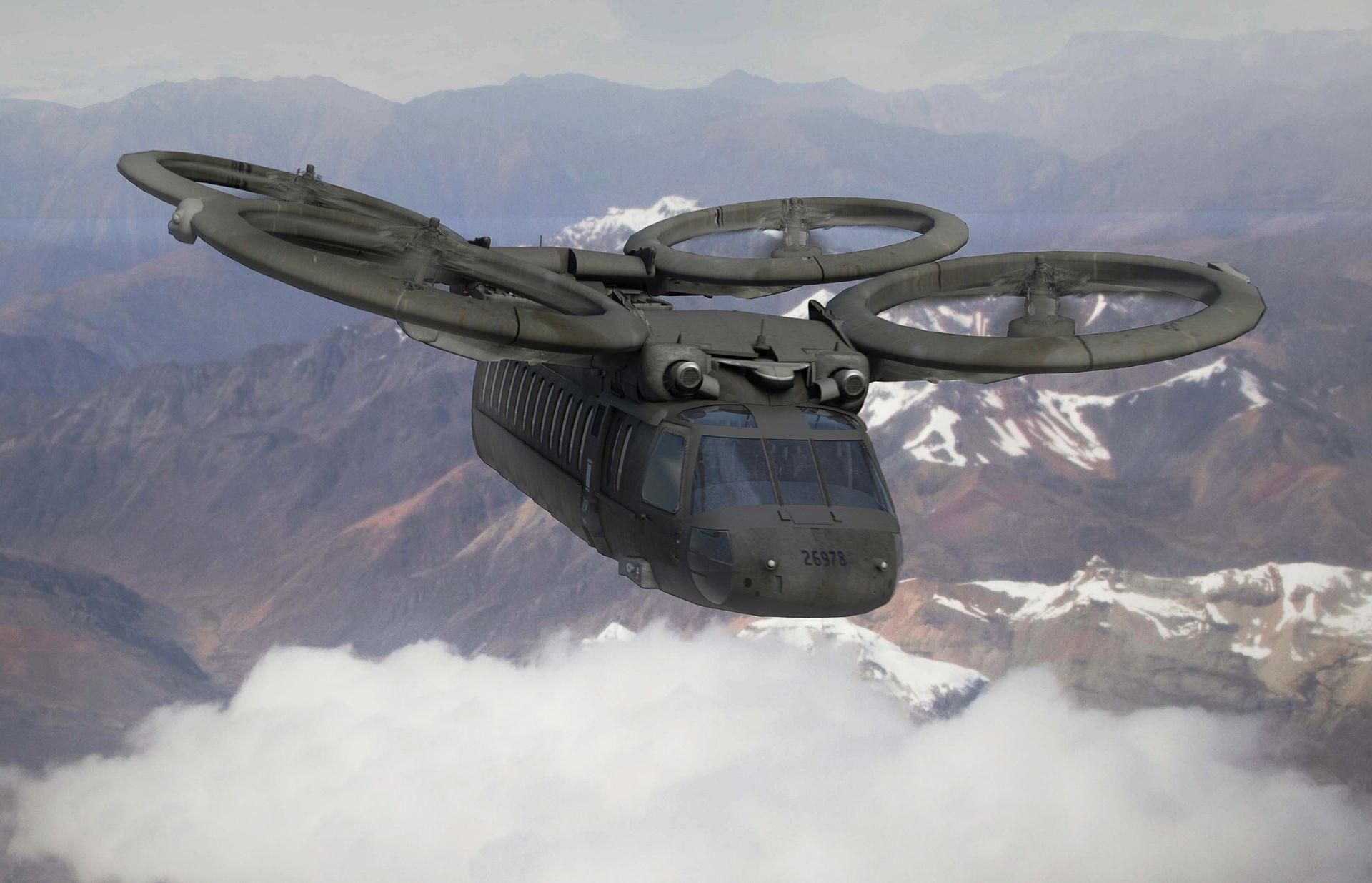
In the world of luxury aviation, technology plays an integral role in shaping the flight experience, from performance to comfort. Over the years, luxury jets have evolved significantly, integrating the latest technological advancements to enhance safety, efficiency, and the overall journey for passengers. Whether it’s aerodynamics, navigation systems, in-flight entertainment, or eco-friendly features, the technology embedded in modern luxury jets pushes the boundaries of what’s possible in private aviation.
In this comprehensive study, we will dive deep into the cutting-edge technologies employed in the best luxury jets on the market. We’ll explore key technological features that set these aircraft apart, comparing performance metrics, design innovations, and passenger amenities that contribute to their status as the ultimate flying machines. From advanced avionics to smart cabin controls, these jets are not just a mode of transport, they are a testament to technological excellence.
The Technological Revolution in Luxury Aviation
As private aviation continues to grow, so does the demand for more advanced, efficient, and luxurious air travel. The future of luxury jets lies in the integration of state-of-the-art technology that provides passengers with the ultimate in comfort, speed, and connectivity. These innovations are not just limited to performance, but also influence how passengers interact with their environment onboard, making their experience increasingly personalized and seamless.
Modern jet technology involves a wide range of advancements that include everything from the materials used in the construction of the aircraft to automated systems and in-flight entertainment that make the journey as comfortable and efficient as possible. Some of the primary technological advancements that define the modern luxury jet include:
- Advanced Avionics and Navigation Systems
- Sustainable Fuel Technology
- In-Flight Connectivity and Entertainment
- Passenger Comfort and Smart Cabin Controls
- Noise Reduction and Vibration Control
- Aerodynamic Enhancements
Each of these categories plays a vital role in defining the performance and luxury of the aircraft. Let’s break them down and see how they contribute to the overall flying experience.
- Advanced Avionics and Navigation Systems
The avionics and navigation systems of luxury jets have seen remarkable advancements over the years. Modern cockpit technology allows pilots to have a clearer and more comprehensive understanding of the aircraft’s performance, weather conditions, and flight path. These systems are designed not only to enhance safety but also to make the aircraft more efficient.
Key features include:
Flight Management Systems (FMS): These systems allow pilots to optimize flight paths in real-time, improving fuel efficiency and reducing flight times.
Enhanced Vision Systems (EVS): EVS provides pilots with real-time, high-definition video of the surroundings, even in poor visibility conditions, ensuring better safety during takeoff, landing, and cruising.
Synthetic Vision Systems (SVS): SVS uses digital terrain models to create a 3D view of the environment, giving pilots a clearer perspective of their flight path, especially in mountainous or unfamiliar areas.
These technologies not only improve safety but also make flying more efficient and comfortable for passengers by reducing delays and optimizing flight routes.
- Sustainable Fuel Technology
The aviation industry is under increasing pressure to reduce its environmental impact, and luxury jet manufacturers are responding with sustainable fuel technology. Today’s luxury jets are incorporating alternative fuels, such as biofuels, sustainable aviation fuel (SAF), and electric propulsion systems, to reduce their carbon footprint.
Notable advancements:
Sustainable Aviation Fuel (SAF): Many luxury jet manufacturers are beginning to incorporate SAF into their fleets. SAF is produced from renewable sources like plant oils, waste materials, and algae, offering a cleaner alternative to traditional jet fuel.
Electric and Hybrid Propulsion: As technology evolves, some manufacturers are exploring hybrid-electric engines that combine traditional jet engines with electric motors, significantly reducing carbon emissions and fuel consumption.
Lightweight Materials: The use of carbon fiber and titanium in aircraft construction helps reduce the weight of the jet, leading to fuel savings and improved performance.
These technologies are essential as the industry pushes for more eco-friendly and sustainable solutions, ensuring that luxury jet travel remains at the forefront of both performance and environmental responsibility.
- In-Flight Connectivity and Entertainment
In today’s fast-paced world, luxury passengers demand constant connectivity and entertainment during their flights. Modern luxury jets come equipped with satellite-based internet, Wi-Fi, and in-flight entertainment systems that allow passengers to stay connected and entertained, whether they are working or relaxing.
Key features include:
High-Speed Internet: Passengers can now access broadband-level internet speeds while cruising at high altitudes, allowing them to work, stream movies, or stay connected with colleagues and family.
Satellite Communication Systems: These systems enable global communication, allowing passengers to make phone calls, send emails, and stay in touch with the outside world.
State-of-the-Art Entertainment Systems: Luxury jets are equipped with large-screen displays, high-fidelity audio, and personalized entertainment options. Some jets even offer virtual reality systems to immerse passengers in a truly unique entertainment experience.
These technologies ensure that passengers can enjoy a seamless in-flight experience, whether they are conducting business or relaxing during their journey.
- Passenger Comfort and Smart Cabin Controls
One of the most remarkable advancements in luxury jet technology is the integration of smart cabin controls. These systems allow passengers to adjust lighting, temperature, window tinting, and seat positioning at the touch of a button, providing a fully personalized flying experience.
Key features include:
Smart Windows and Window Shades: Electrochromic windows allow passengers to adjust the level of tint, reducing glare and ensuring privacy. This can help create an atmosphere of calm and comfort throughout the flight.
Temperature Control: Advanced climate control systems allow for precise temperature regulation, ensuring that the cabin remains at the ideal temperature at all times.
Customizable Seating: Many luxury jets offer fully adjustable seating with massage functions, reclining capabilities, and sleep pods to maximize comfort during long-haul flights.
These innovations ensure that the cabin environment is always comfortable, and passengers can create the ideal atmosphere for relaxation or work.
- Noise Reduction and Vibration Control
Noise and vibration are among the most important factors affecting passenger comfort in any aircraft. Luxury jets have incorporated advanced technologies to reduce noise and vibration levels during flights, ensuring a smoother, more peaceful journey.
Key technologies include:
Noise-Canceling Technology: Modern luxury jets are equipped with active noise-canceling technology that reduces the noise from engines, air conditioning, and other sources, ensuring a quieter environment.
Vibration Damping Systems: Advanced vibration control systems reduce the feeling of shaking and oscillation, ensuring a smoother flight for passengers.
- Aerodynamic Enhancements
Finally, aerodynamic advancements play a crucial role in the overall performance and efficiency of luxury jets. Aircraft manufacturers are continually refining the shape and design of their jets to optimize airflow, reduce drag, and improve fuel efficiency.
Key features include:
Winglets: Winglets are added to the tips of wings to reduce drag and improve fuel efficiency.
Sharklets: These advanced wing extensions help reduce drag, increase fuel efficiency, and improve the aircraft’s range.
Refined Airframe Designs: Luxury jets feature sleek, smooth airframes designed to minimize air resistance and improve speed and efficiency.
Conclusion
The luxury jet industry is at the forefront of innovation, integrating cutting-edge technology into every aspect of the aircraft. From advanced avionics to sustainable fuel solutions, the latest advancements in jet technology are reshaping how passengers experience air travel. As the industry continues to evolve, luxury jets will only become more efficient, comfortable, and eco-friendly, ensuring that private aviation remains the maximum experience of air travel for years to come.
The top luxury jets today are much more than just transportation, they are flying works of technological art, built to deliver the ultimate in performance, comfort, and luxury. By embracing the latest advancements in aviation technology, manufacturers are setting new standards and pushing the boundaries of what is possible in private flight.