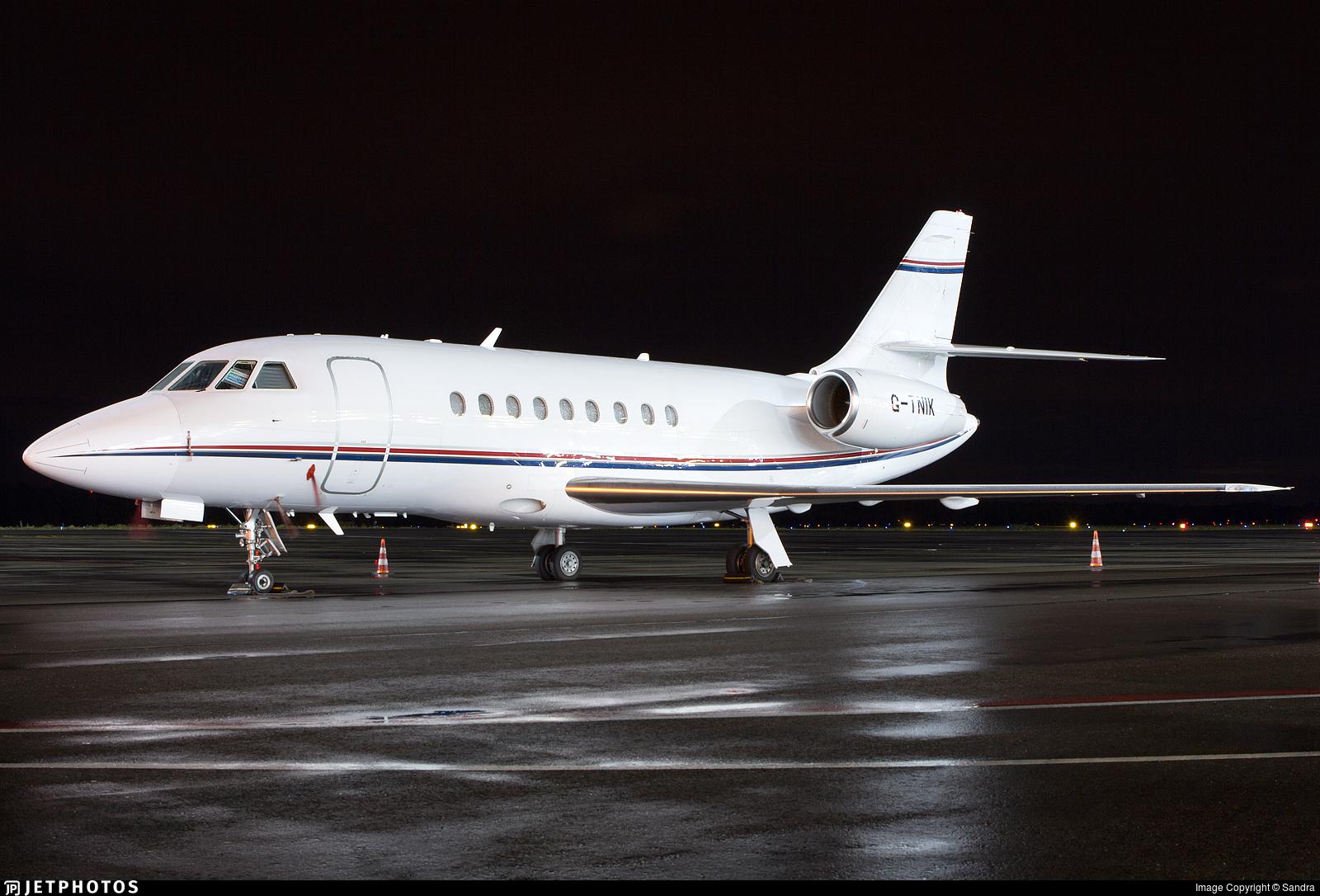
The luxury aviation industry is constantly evolving, driven by innovations that blend cutting-edge technology with world-class design and sustainability. As we approach 2025, the demand for faster, more efficient, and ultra-luxurious private jets is higher than ever. Technology is at the heart of these advancements, and the next-gen luxury jet innovations promise to redefine what it means to fly in style and comfort.
In this article, we will explore the most significant jet technology trends for 2025, benchmarking the innovations that are setting the stage for the future of private aviation. These advancements are not just about performance and luxury, they are also about ensuring that private air travel remains sustainable, efficient, and accessible to those who demand the very best.
- Performance Enhancements: Speed, Range, and Efficiency
The performance of luxury jets has always been a key factor in their appeal. As technology continues to advance, manufacturers are pushing the boundaries of speed, range, and efficiency.
Faster Speeds and Longer Ranges
One of the most exciting trends in jet technology is the focus on increasing both speed and range. With growing demand for non-stop flights between major global hubs, jets are becoming more capable of flying longer distances at higher speeds, all while maintaining superior comfort and luxury.
Gulfstream G700: Known for its top speed of 0.925 Mach, the G700 offers an impressive 7,500 nautical mile range, allowing it to reach destinations faster and without the need for fuel stops.
Bombardier Global 7500: With a range of 7,700 nautical miles, the Global 7500 is one of the longest-range jets on the market, making it perfect for intercontinental flights.
Dassault Falcon 10X: The Falcon 10X also boasts a maximum range of 7,500 nautical miles, allowing it to cover the distance between New York and Tokyo non-stop.
Fuel Efficiency and Sustainability
Sustainability is a growing concern in all industries, and aviation is no exception. The next-generation jets of 2025 are focusing heavily on fuel efficiency and eco-friendly technologies to reduce emissions and lower their environmental impact.
Hybrid Electric Systems: While fully electric jets are still a few years away, hybrid-electric propulsion systems are already being developed. These systems combine the power of traditional jet engines with electric motors, significantly improving fuel efficiency and reducing emissions.
Sustainable Aviation Fuel (SAF): Many manufacturers are incorporating SAF, made from renewable sources, to help reduce the carbon footprint of luxury jets. This fuel offers a cleaner alternative to traditional aviation fuel and is expected to play a significant role in the future of green aviation.
- Cabin Innovations: Smart Technology and Customization
While performance is important, luxury jet owners are also looking for the ultimate flying experience. Smart technology, customization, and comfort are central to the latest trends in jet interiors.
Next-Generation Cabin Technology
The cabins of future luxury jets will be more than just comfortable, they will be smart. The integration of AI and IoT (Internet of Things) will transform the way passengers interact with their jet’s environment, offering unparalleled convenience and personalization.
Smart Cabin Systems: Jets of 2025 will feature intelligent cabin management systems that allow passengers to control everything from lighting, temperature, and entertainment to windows and seats with a simple voice command or a mobile device.
Advanced Entertainment Systems: Passengers will enjoy immersive in-flight entertainment, including high-definition screens, virtual reality setups, and even holographic displays. The future of luxury jet cabins will allow passengers to stay connected, entertained, and productive throughout their journey.
Mood Lighting and Air Quality Control: Innovative lighting systems will adjust the cabin’s ambiance to suit the passenger’s preferences, while advanced air filtration systems will ensure the cabin’s air is always clean and fresh.
Personalized Comfort and Design
The ability to customize the interior design of a jet has become a major selling point for luxury jet owners. In 2025, bespoke interiors will offer even more options for personalization, with advanced materials, layouts, and finishes to suit every taste.
Modular Layouts: Modern jets will offer more flexible layouts, allowing owners to customize their cabins according to their specific needs. Whether it’s a private office, spa-like bathroom, or a fully equipped master suite, the possibilities are virtually endless.
Luxury Materials: Premium jets of 2025 will incorporate the finest materials, including Italian leather, marble, and exotic woods. These luxurious touches will make every cabin feel like a private palace in the sky.
Wellness Features: As health and wellness continue to be top priorities, luxury jets will be designed with features that promote relaxation and well-being, such as massage chairs, sleep pods, and high-end spas.
- Autonomous Flight: The Future of Air Travel
While autonomous flight may still seem like science fiction to some, autonomous aviation technology is rapidly advancing, and it’s expected to revolutionize the private jet industry in the coming years.
Autonomous Jets in 2025
In the next decade, self-flying jets could become a reality, offering an entirely new level of convenience and safety. Advances in artificial intelligence (AI) and automation will allow jets to fly without human intervention, allowing pilots to monitor the flight while passengers relax.
AI-Driven Systems: With AI-powered flight systems, jets could make real-time decisions about flight paths, adjusting to weather conditions, traffic, and other factors without needing human input.
Safety Features: Autonomous jets will be equipped with advanced safety protocols to ensure the highest level of security. The use of real-time data analysis and machine learning will improve flight safety by predicting and preventing potential risks.
The Benefits of Autonomous Flight
Increased Efficiency: Autonomous jets will be able to optimize flight paths and fuel consumption, leading to more efficient travel and lower operational costs.
Passenger Comfort: With fewer crew members on board, the cabin will be more spacious, and passengers will enjoy a more private and personalized experience.
Faster Turnaround Times: Autonomous technology could allow for quicker takeoffs and landings, reducing the time jets spend on the ground.
- The Role of Sustainability: Green Aviation
As environmental concerns become more pressing, the luxury jet industry is making strides to become more sustainable. The jets of 2025 will incorporate eco-friendly features and technologies that aim to reduce their carbon footprint and reliance on fossil fuels.
Green Technologies in Jet Design
Electric Propulsion: Fully electric jets are expected to become a reality by the early 2030s, but for now, electric propulsion systems will be used alongside traditional engines to reduce emissions.
Energy-Efficient Materials: Future jets will be constructed using lightweight, energy-efficient materials, which will reduce fuel consumption and improve overall performance.
Eco-Friendly Cabin Features: The interiors of luxury jets will also reflect a commitment to sustainability, with sustainable materials used in furnishings, flooring, and other design elements.
Sustainable Aviation Fuel (SAF)
The aviation industry is increasingly turning to Sustainable Aviation Fuel (SAF) as a cleaner alternative to conventional jet fuel. SAF is derived from renewable sources like biomass, algae, and waste products, and it reduces carbon emissions by up to 80% when compared to traditional jet fuel.
- The Future of Luxury Air Travel: What’s Next?
The technology trends we see today are just the beginning of a larger transformation in the luxury aviation industry. In the coming years, we can expect even more groundbreaking innovations that will further redefine the future of private jets and luxury air travel.
Supersonic Jets: The dream of traveling faster than the speed of sound is closer to becoming a reality with the development of supersonic jets. Companies like Boom Supersonic are already working on jets that can travel at 2.2 Mach, reducing flight times by more than half.
Space Tourism: The rise of space tourism could open up new opportunities for luxury jet manufacturers. As private companies develop the technology for suborbital flights, luxury jets may evolve to offer access to outer space for the ultra-wealthy.
Ultra-Personalized Flight Experiences: In the future, luxury jets may offer highly customized flight experiences, from customized artificial intelligence assistants to personalized entertainment and dining options that adapt to the passenger’s every need.
Conclusion: The Future of Jet Technology
The luxury jet industry is on the verge of a technological revolution. From performance enhancements to smart cabin technology, autonomous flight, and sustainability, the jets of 2025 are set to redefine the standard for private aviation. As these innovations become mainstream, luxury jet travel will become faster, more efficient, and more luxurious than ever before, offering a truly next-generation flying experience for those who demand the best.