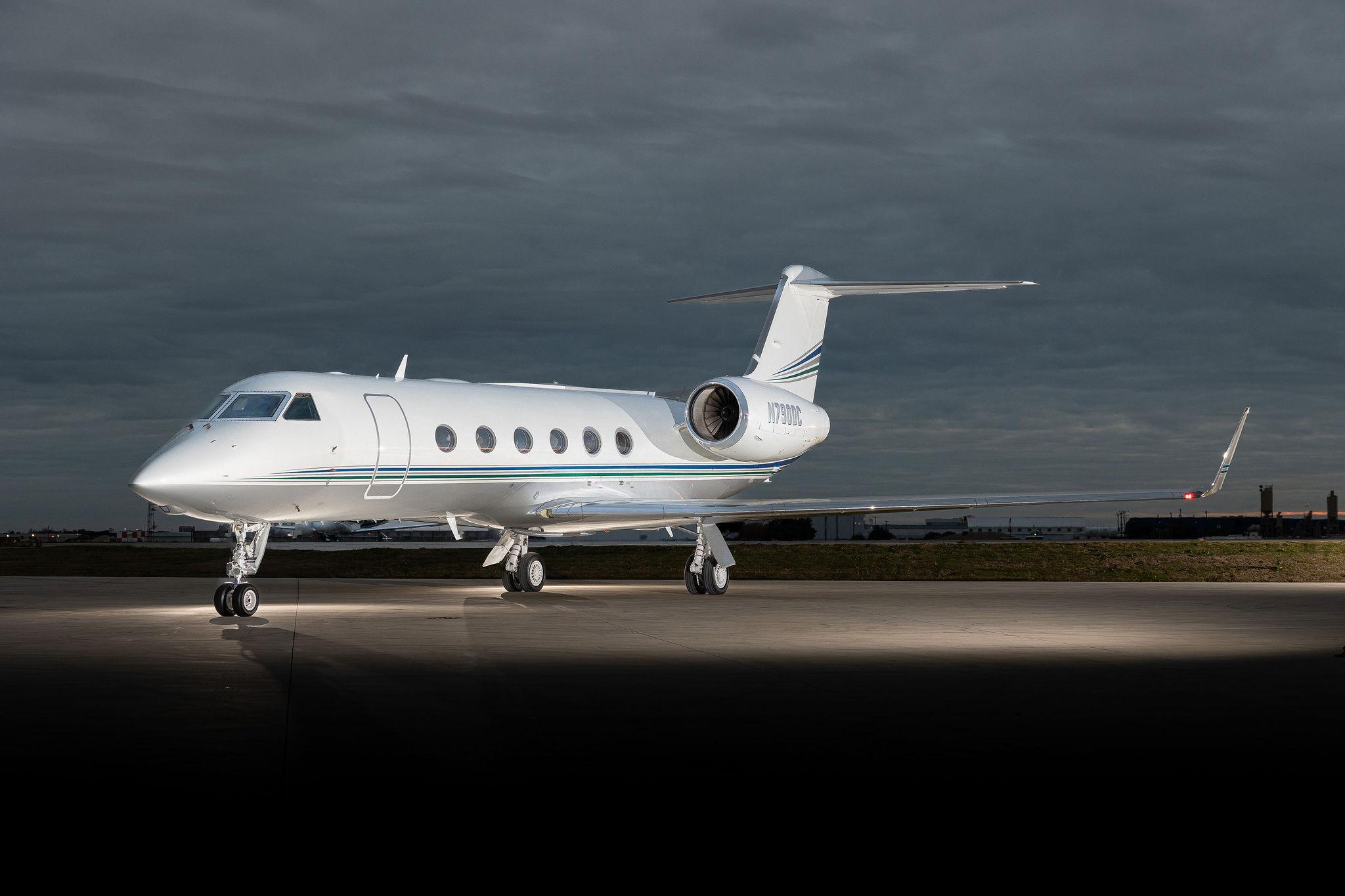
Luxury Travel Private Jet Privatejetia 16
In the world of luxury aviation, where comfort, performance, and design converge, the latest jet technology trends have taken the industry to new heights. The Jet Technology Trends Ultimate Edition offers an in-depth comparative analysis of the most advanced aircraft in the world, from state-of-the-art engines to innovative cabin features. These jets are not just about getting from one place to another; they represent the maximum experience of aviation technology, offering superior performance, luxurious interiors, and environmentally friendly innovations.
For those in the market for an elite flying experience, understanding the cutting-edge trends that shape luxury jets is crucial. Whether you’re considering purchasing a private jet, upgrading your current aircraft, or simply interested in the future of aviation technology, this detailed guide will break down the most important trends in luxury jets today. By comparing the leading aircraft across several performance, design, and technological features, we aim to provide a comprehensive overview that highlights what makes these jets stand out in an increasingly competitive market.
Advanced Propulsion Systems: Pushing the Limits of Power and Efficiency
One of the most significant technological advancements in luxury jets is the development of advanced propulsion systems. Traditional jet engines have long been the backbone of aviation, but the latest luxury jets are adopting new technologies that enhance both power and fuel efficiency. The Ultimate Edition explores the most cutting-edge propulsion technologies currently in use and compares their benefits and capabilities across a range of luxury aircraft.
Turbofan engines, which have been the standard for commercial aviation, are being optimized for private jets to deliver higher fuel efficiency and greater thrust while minimizing emissions. Some of the newest engines now incorporate advanced materials and aerodynamic improvements that reduce weight and drag, further enhancing the jet’s performance and range. Additionally, the focus on low-emission technologies is pushing jet manufacturers to develop new green aviation fuels (SAF) and hybrid-electric engines, which aim to reduce the environmental impact of luxury aviation.
In the comparative analysis, high-performance turbofan engines such as those found in the Gulfstream G700 and Bombardier Global 7500 show a significant improvement in fuel efficiency while maintaining top-tier performance. These aircraft are designed for long-range flights, with state-of-the-art engines that are quieter and more fuel-efficient than ever before.
Lightweight Materials and Carbon Fiber Innovations
Another major trend in the world of luxury jets is the use of lightweight materials, particularly carbon fiber and titanium alloys. These materials are being integrated into jet design to reduce overall weight while maintaining or improving the structural integrity of the aircraft. The result is not only improved performance but also greater fuel efficiency and increased payload capacity.
Carbon fiber composites are particularly popular for their strength-to-weight ratio, making them ideal for the construction of both airframes and engine components. Jets like the Dassault Falcon 8X and Learjet 75 Liberty utilize advanced carbon fiber composites, reducing the overall weight of the aircraft and improving both fuel efficiency and flight range. By using lightweight materials, these jets can offer greater speed and extended endurance, making them ideal for long-haul flights.
In addition to carbon fiber, titanium alloys are also increasingly used in high-performance jets. These materials are not only lightweight but also highly resistant to corrosion and extreme temperatures, making them ideal for use in jet engines and other critical components. Aircraft manufacturers are continuing to innovate by integrating a combination of carbon fiber and titanium alloys to create stronger, lighter, and more efficient luxury jets.
Environmental Sustainability: The Push for Green Aviation
As the aviation industry becomes more focused on environmental sustainability, luxury jets are embracing green technologies to minimize their carbon footprint. The Ultimate Edition highlights the most significant environmentally friendly trends in the luxury jet sector and compares how leading manufacturers are adopting sustainable aviation practices.
One of the most important trends in luxury jet technology is the rise of sustainable aviation fuels (SAF). SAF is made from renewable sources such as biomass, waste oils, and even algae, and it has the potential to significantly reduce carbon emissions compared to traditional jet fuel. Many top-tier jets, including the Airbus ACJ320neo and Gulfstream G650ER, are now designed to be compatible with SAF, allowing owners to reduce their environmental impact while still enjoying the performance and luxury they demand.
Beyond SAF, manufacturers are also focusing on improving fuel efficiency by using lightweight materials, enhancing aerodynamic performance, and improving engine technology. These efforts are designed to reduce fuel consumption, decrease emissions, and extend the range of luxury jets without compromising on comfort or performance.
The Jet Technology Trends Ultimate Edition shows how the industry is evolving to meet both performance and environmental sustainability goals. As we look toward the future, green aviation technologies will continue to play a central role in the development of luxury jets, with electric propulsion systems and hybrid engines expected to revolutionize the industry in the coming years.
Smart Cockpits and Autonomous Flight: A Glimpse into the Future
In recent years, cockpit technology has undergone a dramatic transformation. The Ultimate Edition examines how smart cockpits, autonomous flight systems, and advanced avionics are redefining the way pilots control luxury jets. These technologies not only enhance safety but also improve flight performance and reduce pilot workload.
Smart cockpits are equipped with digital flight displays, head-up displays (HUDs), and fly-by-wire systems that allow pilots to control the aircraft with more precision and ease. These innovations improve safety by providing real-time data on flight conditions, weather patterns, and system diagnostics, enabling pilots to make informed decisions during the flight.
One of the most exciting developments in luxury aviation is the integration of autonomous flight systems. Although fully autonomous flights are not yet common in the luxury jet market, semi-autonomous systems are already being tested and integrated into certain aircraft. These systems allow the aircraft to perform basic tasks such as maintaining altitude, adjusting speed, and navigating through weather conditions, reducing the workload for pilots and increasing safety during complex operations.
Jets like the Embraer Praetor 600 and HondaJet Elite incorporate advanced avionics and semi-autonomous flight systems that enhance both safety and efficiency. These technologies are a step toward a future where autonomous flying becomes more common, allowing pilots to focus on more critical aspects of flight while the aircraft takes care of routine operations.
Cabin Innovations: Luxury Meets Technology
While performance and sustainability are crucial, luxury jets are also known for their unrivaled comfort and advanced cabin technologies. The Ultimate Edition looks at the most significant cabin innovations that make luxury jets the summery of opulence and convenience. From customized seating and advanced entertainment systems to interactive cabin controls, the interior of a modern luxury jet is a testament to cutting-edge design and technology.
The latest luxury jets offer fully customizable cabins, with options for private suites, sleeping pods, and even conference rooms for business travelers. These cabins are equipped with advanced lighting and climate control systems that allow passengers to tailor their environment to their exact preferences.
The Gulfstream G700 is a prime example of this trend, with its customizable interior options and state-of-the-art entertainment systems. Passengers can enjoy high-definition screens, immersive audio systems, and on-demand content, all controlled through an intuitive touchscreen interface. Additionally, the G700 offers air purification and HEPA filtration systems that ensure a clean and comfortable cabin environment during long flights.
Comparing the Best: Top Luxury Jets of the Year
To provide a clearer understanding of how these technological trends are being implemented across the luxury jet market, the Ultimate Edition compares the best luxury jets available today. Top models such as the Gulfstream G700, Bombardier Global 7500, and Dassault Falcon 8X are leading the way in terms of technology, performance, and luxury features.
The Gulfstream G700 is widely regarded as the most advanced luxury jet currently available. With a top speed of 0.925 Mach, a range of over 7,500 nautical miles, and an interior that offers maximum comfort, the G700 represents the best in jet technology.
Similarly, the Bombardier Global 7500 is a high-performance jet with advanced avionics, green fuel compatibility, and an impressive flight range of 7,700 nautical miles. Its luxurious cabin and cutting-edge technology make it one of the most popular jets in the world.
Conclusion: The Future of Jet Technology
The Jet Technology Trends Ultimate Edition provides a comprehensive overview of the latest advancements in luxury jets. From advanced propulsion systems and lightweight materials to environmental sustainability and smart cockpits, these trends are shaping the future of private aviation. As technology continues to evolve, luxury jets will become even more efficient, comfortable, and eco-friendly, offering a flying experience that combines performance, luxury, and innovation.
The luxury aviation market is rapidly advancing, and the Ultimate Edition highlights the most exciting and transformative trends that define the future of elite flight. As green technologies and autonomous systems continue to gain traction, the next generation of luxury jets promises to deliver an even higher level of performance, comfort, and sustainability.


