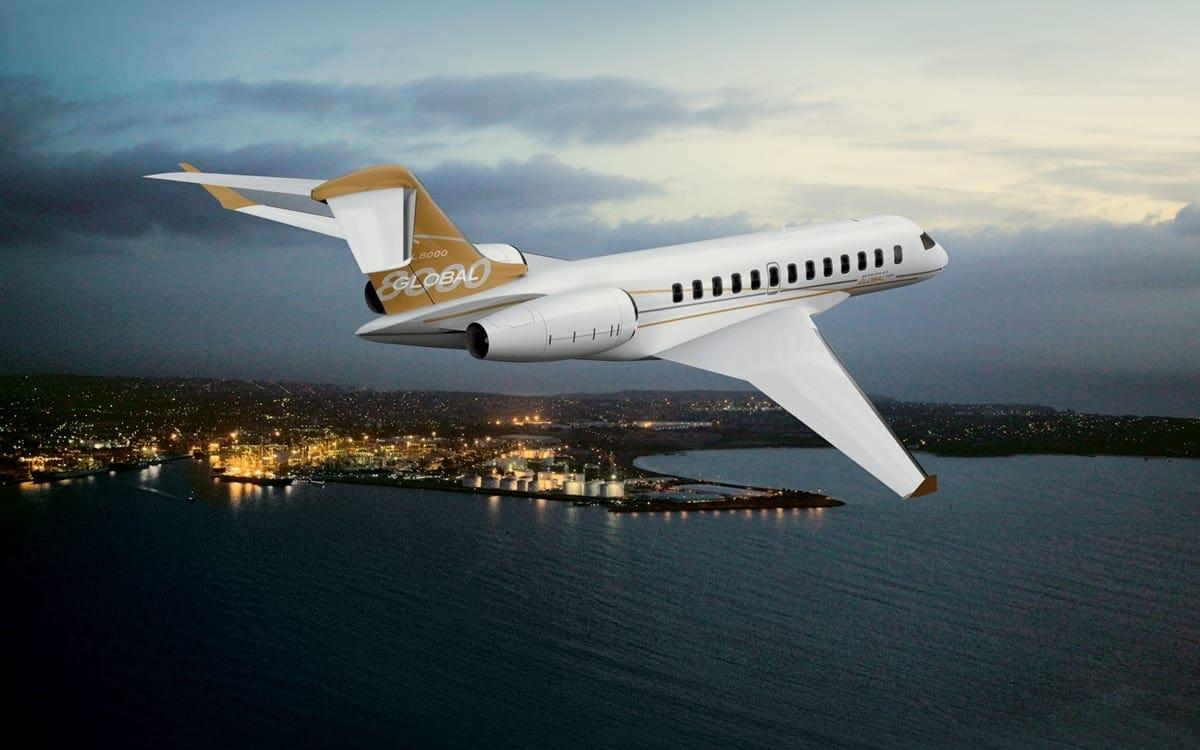
The Intersection of Luxury and Technology in Aviation
This article explores the high-end technological innovations found in modern luxury jets, comparing various models and highlighting the breakthroughs that define the top jets in the industry. From advanced aerodynamics to state-of-the-art cabin features, we will dive into the features that make these jets stand out.
The Core of Modern Jet Technology: Performance and Efficiency
At the heart of any luxury jet lies its performance capabilities. High-end jets are engineered for exceptional speed, efficiency, and range, but the technology behind these jets goes beyond just raw performance numbers.
- Jet Engines and Fuel Efficiency
One of the most significant advancements in luxury jet technology has been in engine design. Manufacturers have invested heavily in developing engines that are not only more fuel-efficient but also quieter and more reliable.
Gulfstream G700 and G650ER: These models are powered by the latest in jet engine technology, offering exceptional fuel efficiency while maintaining impressive speeds. The G700, for example, features the Rolls-Royce Pearl 700 engines, designed to provide enhanced fuel efficiency without sacrificing power. This allows the jet to achieve a cruising speed of Mach 0.85 and travel 7,500 nautical miles non-stop.
Bombardier Global 7500: This jet utilizes the GE Passport engines, designed with fuel efficiency in mind. The engine’s advanced technology allows the Global 7500 to cover long distances at faster speeds while reducing the overall carbon footprint compared to older jet models.
- Aerodynamics and Materials
Advanced aerodynamics are another key factor in enhancing jet performance. Manufacturers have focused on improving the shape and materials used in jet design to minimize drag and maximize efficiency. Carbon fiber composites, which are lightweight yet durable, are now a standard feature in many luxury jets, allowing for better fuel economy and more efficient designs.
Dassault Falcon 8X: Known for its advanced aerodynamic design, the Falcon 8X features winglets that reduce drag and increase fuel efficiency, contributing to its impressive range of 6,450 nautical miles. The use of composite materials also reduces weight, contributing to both performance and operational efficiency.
- Flight Control Systems
Modern jets also integrate cutting-edge avionics and flight control systems that offer a higher level of automation and precision. These systems not only improve safety but also enhance the flying experience for passengers and crew.
Gulfstream G650ER: With its PlaneView II cockpit, the G650ER features one of the most advanced flight control systems available. The system integrates touchscreen displays, voice-activated controls, and a range of automated flight features that allow for a smoother and more efficient flight experience.
Bombardier Global 7500: This jet uses the Honeywell Primus Epic 2 flight deck, which provides real-time data on aircraft performance, weather conditions, and navigation. The cockpit also features an advanced autopilot system, allowing for a safer and more relaxed flight.
Transforming the Passenger Experience: Cabin Innovations
While performance is crucial, the true luxury of modern jets lies in their cabins. Technology has played a significant role in redefining the in-flight experience, making it as comfortable and personalized as possible.
- Smart Cabin Control Systems
One of the most innovative features in luxury jets is the cabin management system. These systems allow passengers to control everything from lighting and temperature to entertainment options with a simple touch of a button or voice command.
Dassault Falcon 8X: The Falcon 8X is equipped with the FalconEye system, an advanced flight control system that provides real-time information on weather conditions, terrain, and other variables. In the cabin, passengers can use the FalconConnect system to control everything from temperature to lighting with ease.
Gulfstream G700: The G700 features the Gulfstream Cabin Management System (CMS), which allows passengers to control all cabin functions from their smartphone or tablet. The CMS controls lighting, temperature, media, and even the jet’s window shades, providing an unparalleled level of convenience.
- Entertainment and Connectivity
Connectivity has become a top priority for many jet owners. Luxury jets are equipped with state-of-the-art entertainment systems, offering high-definition TVs, satellite internet, and a variety of streaming options. Whether working during a flight or relaxing, passengers have access to the latest entertainment technologies.
Boeing Business Jet (BBJ) Series: The BBJ offers some of the most advanced in-flight entertainment systems in the world, including high-definition screens, streaming services, and satellite internet connectivity. These systems allow passengers to stay connected, even at 40,000 feet.
Embraer Praetor 600: The Praetor 600 is equipped with a Ka-band satellite system, offering passengers uninterrupted high-speed internet throughout the flight. With an advanced cabin entertainment system, passengers can stream movies, music, and stay connected to the office or family.
- Personalized Luxury Features
Beyond smart systems and entertainment, luxury jets are also known for their bespoke design features. Passengers can personalize their cabins to reflect their tastes, whether it’s custom upholstery, bespoke furnishings, or even a fully functional office space.
Gulfstream G700: With the G700, owners have the ability to choose from a variety of cabin configurations, allowing them to include everything from full-sized beds to private dining areas. The jet also boasts luxurious finishes, such as marble flooring, handwoven carpets, and custom woodwork.
Bombardier Global 7500: The cabin of the Global 7500 is a work of art, offering owners a range of luxury options. From a spacious dining area to a full-sized bed and private shower, the Global 7500 delivers an experience that rivals the best hotels in the world.
The Role of Sustainability in Jet Technology
As the world becomes more eco-conscious, sustainability has emerged as a critical focus in the luxury jet industry. Manufacturers are working to reduce the environmental impact of their jets by incorporating more sustainable materials, improving fuel efficiency, and investing in alternative fuels.
- Sustainable Materials
Many manufacturers are using sustainable materials, such as carbon fiber and composite materials, to reduce the weight of their jets and improve fuel efficiency. These materials are not only environmentally friendly but also offer greater durability and performance.
Gulfstream G700: The G700 uses advanced carbon fiber composites, which help reduce the weight of the jet and increase fuel efficiency, making it one of the most sustainable luxury jets in its class.
Embraer Praetor 600: Embraer has focused on sustainability by using advanced materials in its Praetor 600, which are designed to reduce the carbon footprint without compromising performance.
- Fuel Efficiency and Alternative Fuels
The aviation industry is also looking toward alternative fuels to reduce its carbon emissions. Manufacturers are increasingly developing jets that can run on sustainable aviation fuel (SAF), which is derived from renewable resources and offers a significantly lower carbon footprint compared to traditional jet fuel.
Bombardier Global 7500: Bombardier has committed to using sustainable aviation fuel (SAF) in the Global 7500, which helps reduce greenhouse gas emissions. This commitment aligns with the company’s long-term sustainability goals.
Dassault Falcon 8X: The Falcon 8X is compatible with SAF, allowing for a reduction in emissions during flight. This, combined with the jet’s fuel-efficient engines, makes it one of the more sustainable luxury jets available.
Conclusion: The Future of Luxury Jet Technology
The future of luxury jet technology is undoubtedly exciting. As manufacturers continue to push the boundaries of innovation, we can expect even more advanced features, from autonomous flying technology to further improvements in sustainability. The race for performance, luxury, and efficiency is ongoing, with each new model bringing something fresh to the table.
Ultimately, the goal of luxury jet manufacturers is to create an experience that is not only unparalleled in terms of comfort and technology but also aligned with the future of aviation. As these innovations continue to evolve, the sky is truly the limit for what luxury jet technology can offer.