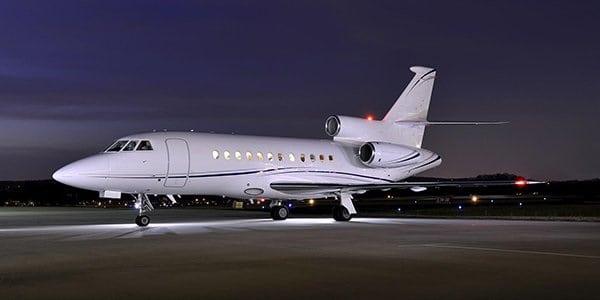
The world of private aviation is at the forefront of technological innovation, constantly evolving to meet the needs and desires of the most discerning travelers. Luxury jets are not just about lavish interiors and sleek designs, they are powered by sophisticated technologies that enhance performance, safety, and comfort. From state-of-the-art cockpit systems to groundbreaking in-flight entertainment, modern luxury jets are a testament to the marriage of engineering excellence and high-end comfort. In this comparative analysis, we will explore the latest technological innovations in luxury jets, highlighting the features that set the industry’s top models apart.
- Advanced Cockpit Technologies: Enhancing Safety and Performance
The cockpit of a modern luxury jet is a marvel of technological sophistication, incorporating advanced systems that enhance both safety and performance. Today’s jets are equipped with fly-by-wire systems, digital avionics, and autonomous flight capabilities, making them easier to fly and more efficient in the air.
The Gulfstream G700, for example, features the Symmetry Flight Deck, which includes touchscreen controls, intuitive flight management systems, and autonomous safety features. This next-generation cockpit allows pilots to interact with the aircraft’s systems using simple gestures and touchscreen commands, reducing workload and enhancing situational awareness. The G700 also incorporates vision-based flight guidance systems and enhanced vision systems (EVS), which provide pilots with a clear view of the terrain, even in low-visibility conditions. This combination of advanced technologies not only enhances safety but also contributes to a smoother and more efficient flight experience.
The Dassault Falcon 10X also features cutting-edge cockpit technology, with its FalconEye system combining synthetic vision and infrared imagery to improve visibility during night flights or in poor weather conditions. The digital flight control system in the Falcon 10X offers precise control of the aircraft, contributing to enhanced performance and reduced fuel consumption. These advanced cockpit technologies ensure that pilots can operate the aircraft with maximum efficiency, reducing the potential for errors and improving overall flight safety.
- In-Flight Connectivity: Staying Connected Above the Clouds
In today’s interconnected world, staying connected during a flight is more important than ever, especially for business travelers who rely on constant communication. Luxury jets now feature high-speed satellite internet, Wi-Fi connectivity, and real-time communication systems that allow passengers to work, stream, and stay in touch with the ground while in the air.
The Gulfstream G650ER is known for its industry-leading connectivity, with Ka-band satellite technology that provides ultra-fast internet speeds, enabling passengers to stream HD videos, make video calls, and send large files with ease. The aircraft also features global voice and data communication systems, ensuring that passengers can stay connected no matter where they are in the world. Whether it’s for conducting business or simply staying in touch with family and friends, the G650ER offers seamless connectivity throughout the flight.
The Bombardier Global 7500 also offers cutting-edge connectivity features, including high-speed Wi-Fi powered by GX Aviation. The Global 7500’s satellite communication systems allow passengers to browse the internet, stream movies, and engage in video conferences without interruption. The jet’s advanced communication system also provides passengers with access to real-time weather updates and air traffic control communications, ensuring they are always informed and prepared during their journey.
- Cabin Management Systems: Full Control at Your Fingertips
Modern luxury jets are equipped with state-of-the-art cabin management systems that allow passengers to control every aspect of their environment. From lighting and temperature to entertainment and seating configurations, these systems give travelers complete control over their in-flight experience.
The Gulfstream G700 features the Gulfstream Cabin Management System, which allows passengers to control everything from the ambient lighting to the seat positions using a simple touchscreen interface. The system also provides access to in-flight entertainment, including movies, music, and gaming, ensuring that passengers have a wide range of options for entertainment during their flight. The system can even adjust the temperature in different areas of the cabin, allowing for personalized comfort in each space.
The Bombardier Global 7500 also offers an advanced cabin management system, allowing passengers to control lighting, seating, and entertainment options with ease. The Global 7500’s system also includes a personalized climate control feature, which ensures that the cabin remains comfortable throughout the flight. Whether it’s adjusting the lighting to create a relaxing atmosphere or configuring the seats for a work session, the cabin management system in the Global 7500 provides passengers with the ultimate level of customization.
- Noise Reduction Technologies: A Quiet and Peaceful Journey
One of the most critical aspects of luxury jet design is ensuring that the cabin remains quiet and peaceful, even at high altitudes. Modern jets are equipped with advanced noise reduction systems that minimize engine noise and vibrations, creating a serene environment inside the cabin.
The Gulfstream G650ER is equipped with soundproofing technologies that reduce noise levels to the absolute minimum. The aircraft’s cabin features advanced insulation and noise-canceling technologies, ensuring that passengers can enjoy a quiet environment for relaxation, business meetings, or sleep. The G650ER is known for its whisper-quiet cabin, making it one of the most comfortable jets for long-haul flights.
Similarly, the Dassault Falcon 10X offers exceptional noise reduction features that make it one of the quietest jets in its class. The Falcon 10X incorporates engine nacelle noise reduction and advanced insulation materials to ensure that passengers are shielded from exterior noise. The cabin’s quietness allows for undisturbed sleep and focused work, enhancing the overall comfort of the flight experience.
- Sustainable Aviation Technologies: Reducing Environmental Impact
As sustainability becomes an increasingly important concern in the aviation industry, luxury jet manufacturers are adopting eco-friendly technologies to reduce the environmental impact of their aircraft. These innovations include fuel-efficient engines, lighter materials, and carbon offset programs that help minimize the carbon footprint of private jets.
The Gulfstream G500 is an excellent example of a luxury jet that incorporates sustainable aviation technologies. The G500 is equipped with advanced, fuel-efficient engines that reduce fuel consumption and emissions, contributing to a greener flying experience. The aircraft’s lightweight construction also helps improve fuel efficiency, allowing it to travel longer distances with less fuel. Gulfstream also offers carbon offset programs for its jets, helping owners mitigate the environmental impact of their flights.
The Bombardier Global 7500 is another example of a sustainable luxury jet, with its eco-friendly design that incorporates fuel-efficient engines and sustainable materials. The aircraft is built to be as lightweight as possible, reducing fuel consumption and emissions. Additionally, Bombardier is committed to sustainability initiatives, including carbon offset programs and efforts to reduce the environmental impact of its manufacturing processes.
- Smart Lighting and Air Quality Control
In addition to comfort and entertainment, modern luxury jets feature smart lighting systems and air quality control technologies that contribute to a more pleasant and healthier flying experience. These systems are designed to enhance passenger well-being, reduce jet lag, and create a comfortable environment throughout the flight.
The Gulfstream G700 features a smart lighting system that adjusts to match the time of day, helping passengers maintain their natural circadian rhythm. The aircraft’s air purification system also ensures that the cabin air is fresh and free of contaminants, reducing the risk of fatigue and discomfort during long flights. The combination of lighting and air quality control technologies creates a healthier and more relaxing environment for passengers.
Similarly, the Dassault Falcon 10X is equipped with smart lighting and an advanced air filtration system that ensures the cabin’s air remains clean and free of pollutants. The Falcon 10X’s lighting system can be customized to suit the passenger’s preferences, while the air quality control system works to maintain a fresh and invigorating atmosphere inside the cabin.
Conclusion: The Future of Luxury Aviation
The technological innovations found in modern luxury jets are transforming the way we think about air travel. From advanced cockpit systems and in-flight connectivity to noise reduction and sustainability efforts, these innovations are making luxury jets more efficient, comfortable, and environmentally friendly than ever before. As the industry continues to evolve, we can expect even more groundbreaking technologies to shape the future of private aviation, setting new standards for safety, performance, and luxury in the sky.