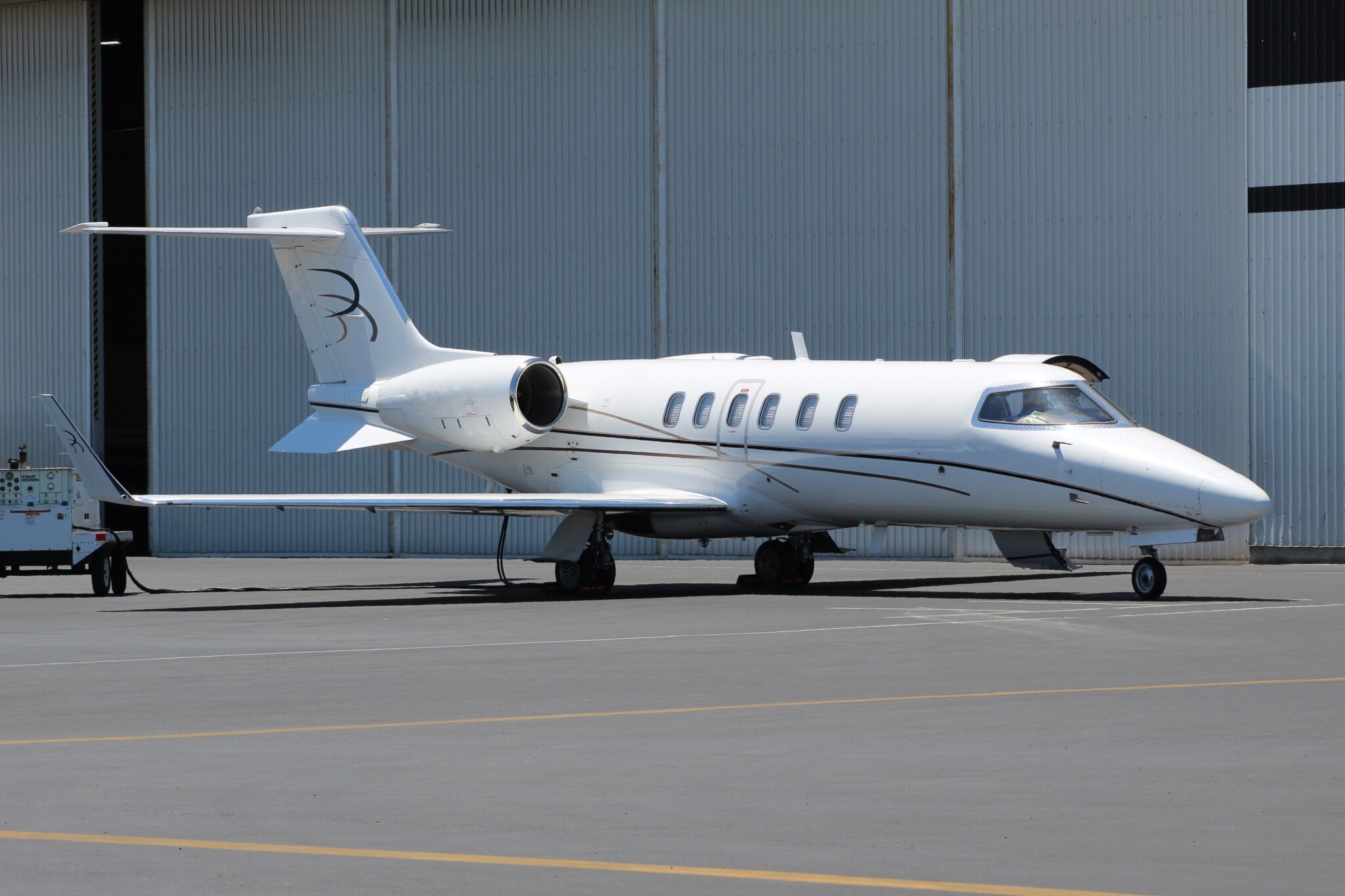
Bombardier Learjet 40XR
Introduction
Private jet ownership is often perceived as a luxury reserved for billionaires or major corporations. However, in recent years, joint ownership and co-financing models have revolutionized the way individuals and businesses access private aviation. These collaborative ownership structures allow multiple parties to share the cost of acquisition, operation, and maintenance—without compromising the exclusivity, flexibility, or comfort that private flight delivers.
In this article, we explore everything you need to know about joint ownership and co-financing a private jet—from financial advantages and legal structures to risk management and best practices.
What Is Joint Ownership of a Private Jet?
Joint ownership (sometimes called fractional ownership or shared ownership) is a financial and operational arrangement where two or more individuals or entities jointly purchase an aircraft and share its usage, costs, and responsibilities.
Unlike chartering or leasing, joint ownership gives each participant a direct stake in the aircraft. Depending on the agreement, each owner receives a specific share (for example, 1/2, 1/4, or 1/8 of the jet), determining how many flight hours they can use annually.
How Co-Financing Works in Private Jet Ownership
Co-financing refers to when multiple owners share not only the ownership but also the financing obligation of the aircraft. This can involve a joint loan or individual loans secured against each owner’s share of the aircraft.
For example, if a $10 million business jet is purchased by four partners, each might finance $2.5 million of the cost, either through personal funding or through asset-based lending backed by their ownership share.
Co-financing offers flexibility, reduces individual risk exposure, and opens access to larger or newer aircraft models that a single buyer might not afford alone.
Benefits of Joint Ownership & Co-Financing a Private Jet
1. Cost Efficiency
Owning and operating a private jet can easily exceed several million dollars annually, including maintenance, insurance, hangar fees, and crew salaries. Sharing these costs among partners can reduce ownership expenses by up to 75%, depending on usage.
2. Access to Higher-Quality Aircraft
Pooling resources allows co-owners to afford more advanced or larger jets with greater range, comfort, and resale value—such as the Gulfstream G600, Bombardier Challenger 3500, or Dassault Falcon 8X.
3. Financial Flexibility
Co-financing enables investors or entrepreneurs to participate in private jet ownership without tying up massive amounts of capital. It’s an efficient way to maintain liquidity while still enjoying the benefits of private aviation.
4. Shared Operational Burden
Partners can collectively manage aircraft operations—such as maintenance, crew management, and insurance—through a management company. This ensures professional oversight while reducing the individual administrative load.
5. Tax Optimization
Depending on jurisdiction, co-owners can structure their partnership for tax deductions, depreciation benefits, and cost-sharing efficiencies, particularly when the aircraft is used for business purposes.
Common Joint Ownership Structures
There are several ways to structure private jet joint ownership. Choosing the right one depends on legal, financial, and operational priorities:
-
Fractional Ownership Program
Managed by companies like NetJets, Flexjet, or PlaneSense, fractional programs sell ownership shares in a fleet of aircraft. The provider handles all operations, scheduling, and maintenance. Owners receive guaranteed flight hours proportional to their share. -
Private Partnership Agreement
A small group of individuals or corporations co-own one aircraft under a joint ownership agreement, managed either internally or through an external operator. This offers more control but requires active coordination among partners. -
Corporate Joint Venture
Two or more companies jointly invest in a business jet to support their executives or operations. This structure often involves more formal governance, cost allocation, and usage tracking systems. -
Co-Financing with Separate Loans
Each owner finances their share independently, often through asset-based loans secured against their portion of the aircraft’s value. This model simplifies exit strategies if one owner decides to sell.
Key Legal and Financial Considerations
While joint ownership offers major advantages, it also requires careful legal structuring to avoid future conflicts. Essential components include:
1. Ownership Agreement
A comprehensive joint ownership agreement defines each partner’s rights, obligations, usage limits, cost-sharing formula, insurance, and dispute resolution mechanisms.
2. Usage Scheduling
To avoid conflicts, most agreements establish a scheduling protocol—using priority systems or annual calendars. Advanced software tools can automate flight scheduling among owners.
3. Exit & Buyout Clauses
Each agreement should include a buyout clause, valuation method, and right of first refusal in case one owner wants to sell their share.
4. Maintenance & Insurance
Joint owners must ensure compliance with all maintenance standards and maintain adequate hull and liability insurance. Insurance must name all co-owners and the financing entity as insured parties.
5. Legal Entity Setup
Many co-owners establish a special purpose vehicle (SPV) or limited liability company (LLC) to hold aircraft ownership shares. This helps separate personal liabilities and simplifies financing.
Challenges of Joint Jet Ownership
Despite its benefits, shared ownership also introduces unique challenges:
-
Scheduling Conflicts:
If multiple owners need the jet during peak times, disputes can arise. Advanced scheduling agreements are essential. -
Operational Disagreements:
Co-owners may differ on how to manage crew, upgrades, or aircraft usage policies. -
Exit Complexity:
Selling an ownership share may be more difficult than selling a full aircraft, depending on demand and the structure of the agreement. -
Uneven Usage:
One partner may use the aircraft far more often than others, requiring clear tracking and cost allocation systems.
How to Make Joint Ownership Successful
-
Choose the Right Partners:
Alignment of goals and trust are critical. Ideally, partners should have similar travel patterns and business priorities. -
Hire an Aviation Management Company:
A professional management firm handles crew, maintenance, scheduling, and compliance—minimizing friction among owners. -
Transparent Financial Reporting:
Monthly cost breakdowns ensure clarity on operational expenses and fuel consumption. -
Plan an Exit Strategy from Day One:
Define how ownership shares will be valued and transferred in advance to prevent future disputes. -
Legal & Tax Advisory:
Always involve aviation lawyers and tax professionals experienced in cross-border ownership and FAA/EASA compliance.
Joint Ownership vs. Fractional Programs: A Quick Comparison
| Feature | Joint Ownership | Fractional Ownership |
|---|---|---|
| Ownership Type | Co-own a specific jet | Share in a managed fleet |
| Operational Control | Direct control over aircraft | Managed by provider |
| Flexibility | High (custom scheduling) | Moderate (subject to availability) |
| Cost Structure | Shared fixed & variable costs | Fixed monthly fees + hourly rates |
| Ideal For | Groups seeking control & savings | Individuals preferring full management |
The Future of Co-Financed Private Jet Ownership
With rising jet prices, increasing travel demands, and sustainability concerns, joint ownership models are poised for continued growth. Digital platforms now make it easier to connect potential co-owners, streamline financing, and automate scheduling.
The combination of shared capital, advanced technology, and flexible financing has made private jet ownership more accessible than ever. Expect to see more hybrid models where fractional programs blend with asset-based co-financing to create personalized, efficient aviation solutions.
Conclusion
Joint ownership and co-financing a private jet provide a balanced approach between luxury and practicality. By sharing costs, optimizing usage, and leveraging smart financing, owners can enjoy private aviation’s benefits without the full financial burden.
However, success depends on clear agreements, trusted partnerships, and professional management. With the right structure, co-owning a private jet isn’t just a cost-saving move—it’s a strategic investment in mobility, flexibility, and long-term value.


