PrivateJetia Private Jet Fly 102
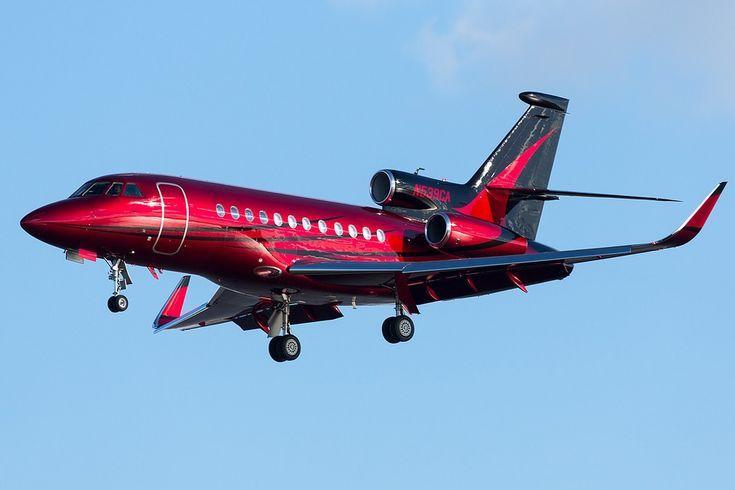
For many travelers, flying on a private jet is a symbol of luxury, comfort, and exclusivity. One of the defining features of private aviation is the ability to land on private airstrips, bypassing the long waits and crowded terminals typically found at commercial airports. But what makes landing on these private airstrips so unique? From smaller runways and flexible schedules to the added benefits of privacy and personalized service, landing on a private airstrip offers a completely different experience from flying commercially.
In this article, we will explore the intricacies of landing on private airstrips, discussing what sets them apart from commercial airports and the benefits they offer to private jet travelers. Whether you’re a seasoned frequent flyer or someone considering private aviation for the first time, understanding the nuances of landing on private airstrips is essential for making the most of your journey.
1. The Difference Between Private Airstrips and Commercial Airports
The first thing that sets private airstrips apart from commercial airports is their size and function. Private airstrips, often located on private estates, remote islands, or large business properties, are smaller and less regulated than commercial airports. They are primarily designed to accommodate private jets, small aircraft, and helicopters, offering a more intimate and personalized experience.
In contrast, commercial airports are typically large, heavily regulated facilities that handle thousands of flights and passengers daily. They feature extensive infrastructure, including large terminals, security screenings, baggage handling systems, and more. While commercial airports cater to a wide variety of airlines and travelers, private airstrips focus on providing a more flexible and customized service for those flying privately.
Key differences include:
- Runway size: Private airstrips usually have shorter runways, designed specifically for smaller aircraft like private jets and light aircraft. Commercial airports, on the other hand, are equipped with long runways to accommodate large commercial airliners.
- Passenger experience: Landing on a private airstrip eliminates the hassle of crowded terminals, long security lines, and waiting for baggage. Instead, passengers are greeted with a much more personal experience.
- Regulations: Commercial airports are subject to strict national and international aviation regulations, while private airstrips have more flexibility, allowing for personalized flight schedules and procedures.
While private airstrips offer exclusive benefits, they also present unique challenges for both pilots and passengers. Understanding these differences is essential when considering a flight that involves landing on a private airstrip.
2. Smaller Runways: The Challenge of Precision
One of the primary differences when landing on private airstrips is the size of the runway. Most private airstrips are smaller and narrower compared to the expansive runways at commercial airports. For example, a typical commercial runway may range from 8,000 to 12,000 feet, whereas private airstrips are often much shorter, ranging from 2,000 to 6,000 feet.
Considerations for Pilots
Landing on a smaller runway requires greater precision and skill from the pilot. The short length means that the aircraft needs to be able to stop quickly once it touches down, without the extra space that a longer runway provides. Pilots need to take several factors into account when landing on a private airstrip, including:
- Aircraft size: Larger jets, such as Gulfstream G650 or Bombardier Global 7500, may have difficulty landing on a private airstrip due to their larger wingspans and longer stopping distances. For this reason, smaller jets and light aircraft are often the primary users of private airstrips.
- Approach and descent angles: Pilots need to be prepared for steeper approach and descent angles, ensuring they maintain proper speed and control as they approach the landing site.
- Weather conditions: Adverse weather, such as strong winds or rain, can complicate the landing process on a smaller runway. Pilots must constantly monitor weather conditions to ensure a safe landing.
Runway Obstacles
Unlike the more regulated commercial airports, private airstrips may have obstacles such as trees, buildings, or wildlife along the flight path or near the runway. Pilots must be especially careful to avoid these hazards, which could affect their landing approach and safety.
Despite these challenges, the pilot’s expertise and the advanced technology on private jets allow for safe landings on smaller airstrips. Modern aviation technology, including autopilot systems, GPS-based navigation, and radar-assisted approaches, helps pilots land with precision, ensuring a smooth and efficient process.
3. Greater Flexibility: Scheduling and Privacy
One of the primary reasons people choose to fly privately is the flexibility it offers, and private airstrips are no exception. Unlike commercial airports, which operate on fixed schedules and are subject to delays, private airstrips provide travelers with the ability to fly on their own terms.
Personalized Schedules
Private jets have the freedom to depart and arrive according to the passenger’s schedule. When flying to or from a private airstrip, you are not subject to the strict time slots imposed by commercial airports. Whether you’re departing early in the morning or late at night, private airstrips offer the flexibility to fit your travel plans.
For business travelers or individuals with tight schedules, the ability to leave when it’s most convenient is a significant advantage. Additionally, private aviation companies often offer services such as on-demand charters, meaning you can book a flight with very little notice.
Fewer Delays
Another significant benefit of private airstrips is the reduction in delays. At commercial airports, delays can occur for a variety of reasons, from security issues to air traffic congestion. On private airstrips, however, the chances of delays are minimal, as flights can be scheduled based on availability and weather conditions, without waiting for clearance from air traffic control or dealing with heavy air traffic.
Privacy and Security
Landing on a private airstrip also provides enhanced privacy and security. Unlike busy commercial airports, where hundreds or even thousands of people may be traveling at the same time, private airstrips offer a more secluded and discrete environment. This level of privacy is especially beneficial for high-profile individuals, such as celebrities, business executives, and politicians, who may prefer to avoid the crowds and attention of a commercial airport.
Moreover, private airstrips typically have fewer security protocols, which means you won’t be subjected to long lines or invasive procedures. However, safety is always a top priority, and private airstrips still maintain necessary security measures, such as perimeter fences, surveillance cameras, and controlled access points.
4. Fueling, Maintenance, and Logistics: Streamlined Services
While commercial airports are equipped with expansive fuel stations, private airstrips have specialized fueling services customized for private jets and small aircraft. These services are often streamlined to ensure quick turnaround times, allowing travelers to get back in the air faster.
Fueling Process
Fueling at a private airstrip is often faster and more efficient than at larger commercial airports, as the process is customized for each aircraft. Jet fuel is delivered directly to the aircraft by a fuel truck or fueling station, with technicians ensuring that the right amount of fuel is delivered based on the aircraft’s needs and flight plan.
Since private airstrips tend to handle fewer flights, fueling operations are typically quicker, allowing for a more seamless transition from arrival to departure.
Aircraft Maintenance
In addition to fueling services, private airstrips also offer aircraft maintenance and inspection services. Since many private jets are based at or fly frequently to specific private airstrips, maintenance crews are often stationed on-site or are readily available to perform any necessary repairs or inspections.
For example, if a jet experiences a minor issue during landing or needs to be refueled, maintenance staff can address the situation immediately, without waiting for approval or coordination with a large airport. This ensures that flight schedules are not disrupted, and passengers can be back on their way with minimal delays.
5. The Environment and Scenic Locations: A Unique Travel Experience
One of the most alluring aspects of flying to a private airstrip is the potential to land in remote or scenic locations that offer a unique travel experience. Private airstrips are often located in areas that are otherwise inaccessible to commercial airlines, such as luxury estates, private islands, resort destinations, or secluded nature spots.
These locations allow passengers to enjoy breathtaking views during their approach and landing. Whether you’re flying into a private island with crystal-clear waters or landing on a mountaintop retreat, the scenic beauty that accompanies a landing at a private airstrip is a significant draw for many private jet travelers.
Conclusion: A Seamless and Exclusive Experience
Landing on a private airstrip offers a level of convenience, flexibility, and exclusivity that simply cannot be matched by commercial airports. From the challenges of shorter runways and more precise landings to the benefits of privacy, flexibility, and streamlined services, the private airstrip experience is one of the most luxurious and unique aspects of private aviation.
Whether you’re flying for business, leisure, or any other purpose, landing on a private airstrip enhances the overall journey, providing travelers with a seamless, efficient, and memorable experience. With fewer delays, greater flexibility, and the ability to land in scenic, secluded locations, private airstrips offer the ultimate in convenience and luxury for the discerning traveler.