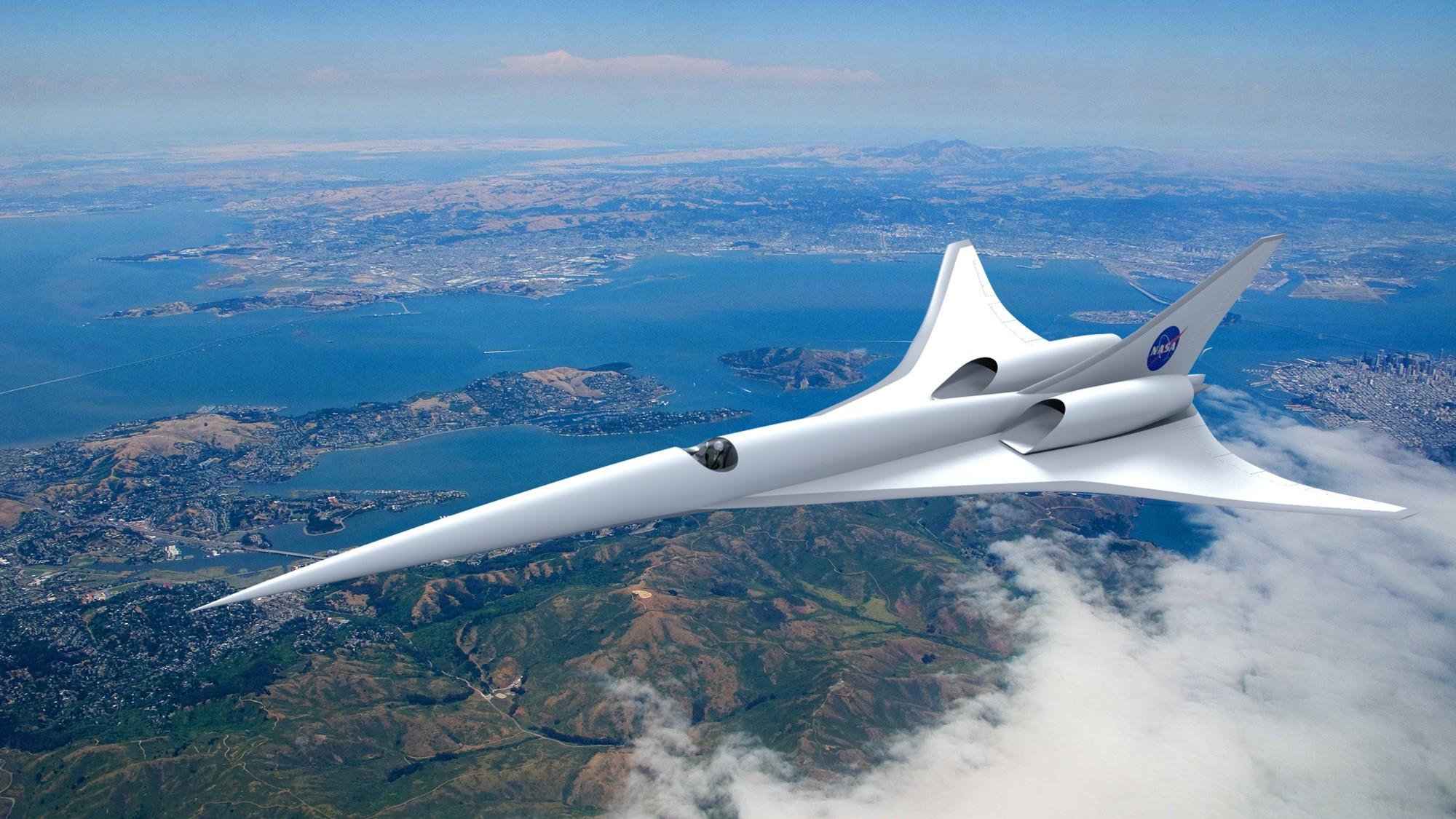
The world of private aviation has evolved dramatically over the past few decades. Luxury jets are no longer just about extravagant interiors or plush seating. Today, cutting-edge technology, innovative designs, and sustainability are reshaping the way we think about private air travel. From advanced cockpit systems to environmentally conscious design, the latest innovations in the jet industry provide travelers with an unparalleled level of comfort, efficiency, and style.
In this article, we will compare the most significant innovations in the private aviation sector, exploring the advancements in technology, design, and sustainability that are setting new standards for luxury air travel.
The Evolution of Jet Design: Merging Functionality with Style
Jet design has come a long way, blending aerodynamic efficiency with elegant interiors. The latest luxury jets not only deliver superior performance but also offer sleek, modern aesthetics that redefine the passenger experience.
Aerodynamics and Fuel Efficiency
In recent years, manufacturers have focused heavily on improving the aerodynamics of their aircraft to maximize fuel efficiency and minimize environmental impact. Advanced wing designs and lightweight materials have become a standard feature in modern jets, enabling them to fly farther while using less fuel. The latest jets, such as the Gulfstream G700 and Bombardier Global 7500, showcase impressive fuel-efficient technologies that reduce operational costs and carbon emissions.
Additionally, the incorporation of advanced winglets and sharklets, modified wing tips that reduce drag, helps improve fuel consumption, contributing to both sustainability and longer flight ranges.
Interior Designs that Define Luxury
The innovation in jet interiors is also making waves, with manufacturers now offering fully customizable cabins to cater to a variety of passenger needs. Private jet owners can select everything from the materials used for seating to the configuration of their living spaces. Manufacturers like Gulfstream and Bombardier now allow customers to personalize everything, from leather upholstery to wood finishes, ensuring the jet reflects the owner’s personal style.
One of the most striking innovations in interior design is the modular layout, which allows for a multi-functional cabin space. For example, the Gulfstream G700 features a layout that can be transformed into a conference room, lounge, or sleeping area, with a private suite and a fully-equipped bathroom. Such versatility gives passengers the flexibility to use the space in whichever way best suits their needs during the flight.
Maximizing Space
The latest jets are also pushing the boundaries of cabin space management. With larger windows and high ceilings, jets like the Bombardier Global 7500 offer an open, airy feeling that makes the cabin feel more like a luxury suite rather than an aircraft. Features such as pivoting chairs, convertible sofas, and even bedrooms with full-size beds allow for comfort and privacy in a variety of flight conditions.
Technological Advancements: Smarter, Safer, and More Efficient Jets
Technology has always played a crucial role in shaping the aviation industry, and the latest luxury jets are equipped with some of the most advanced tech available, ensuring a seamless flying experience. These technological innovations are designed not only to improve safety and efficiency but also to enhance the passenger experience.
Cockpit Innovations: Advanced Avionics
The cockpit is where the most significant technological advancements have been made in recent years. Modern jets feature state-of-the-art avionics systems that include automated flight management, enhanced vision systems, and safety systems that allow pilots to operate the aircraft with maximum efficiency and safety.
For instance, the Gulfstream G650ER features the PlaneView II flight deck, which includes touchscreen controls, synthetic vision systems, and heads-up displays. These systems provide pilots with real-time, crystal-clear information about the aircraft’s performance, weather conditions, and flight paths, allowing them to make more informed decisions and ensure the safety of the flight.
Similarly, the Bombardier Global 7500 incorporates an advanced avionics suite that includes smart navigation systems, weather radar, and predictive systems to enhance operational efficiency.
Smart Jet Features for a Seamless Experience
In addition to cockpit innovations, luxury jets are incorporating smart technology that transforms the way passengers interact with their environment. Touchscreen controls, voice-activated systems, and automated cabin settings allow passengers to easily adjust lighting, temperature, and seating arrangements to their personal preference.
The Dassault Falcon 8X, for example, boasts a smart cabin system that allows passengers to control the lighting and air quality via their smartphones. This level of control ensures that every passenger can customize their environment to suit their specific needs, whether they are working, relaxing, or sleeping.
In addition to customizable environments, jets like the Global 7500 are equipped with real-time connectivity systems that allow passengers to stay connected to the internet, make video calls, or stream high-definition content during the flight. These innovations make the modern luxury jet a true mobile office or entertainment hub in the sky.
Sustainability in Luxury Jets: Redefining the Future of Air Travel
As the world becomes more environmentally conscious, the aviation industry is working hard to reduce its carbon footprint. The latest innovations in luxury jets focus not only on performance and comfort but also on sustainability.
Eco-Friendly Jets and Green Technologies
In response to increasing demands for sustainability, aircraft manufacturers are investing heavily in eco-friendly technologies that reduce the environmental impact of private jets. The development of sustainable aviation fuel (SAF), electric propulsion systems, and lighter materials are helping to make private aviation more eco-friendly.
The Gulfstream G700 and Bombardier Global 7500 are both committed to using sustainable fuels and carbon offset programs that reduce their carbon footprint. Additionally, new fuel-efficient engines and lighter airframes are designed to reduce fuel consumption and improve overall performance.
Moreover, companies are exploring hybrid-electric propulsion systems that combine traditional jet engines with electric motors to reduce fuel consumption and emissions. The aircraft industry is also looking into electric vertical take-off and landing (eVTOL) aircraft, which could further revolutionize private travel by offering more efficient and sustainable options.
Reducing Noise Pollution
Noise pollution is another significant concern in the private aviation industry. However, with the development of quieter engines and improved aerodynamics, modern luxury jets are much quieter than their predecessors. The Gulfstream G700 is one of the quietest jets on the market, with a cabin noise level that rivals that of high-end hotels. This focus on noise reduction ensures a peaceful and enjoyable flight experience for passengers and minimizes the impact on the surrounding environment.
Conclusion: The Future of Luxury Jets is Here
The latest innovations in luxury jets are setting new standards for comfort, efficiency, and sustainability. With cutting-edge aerodynamic designs, advanced technology, and a focus on environmentally friendly practices, private aviation is entering an exciting new era. The future of luxury jets promises to bring even more comfort, convenience, and performance to passengers, with advancements in sustainability and technology ensuring that the private jet industry continues to evolve in exciting and innovative ways.