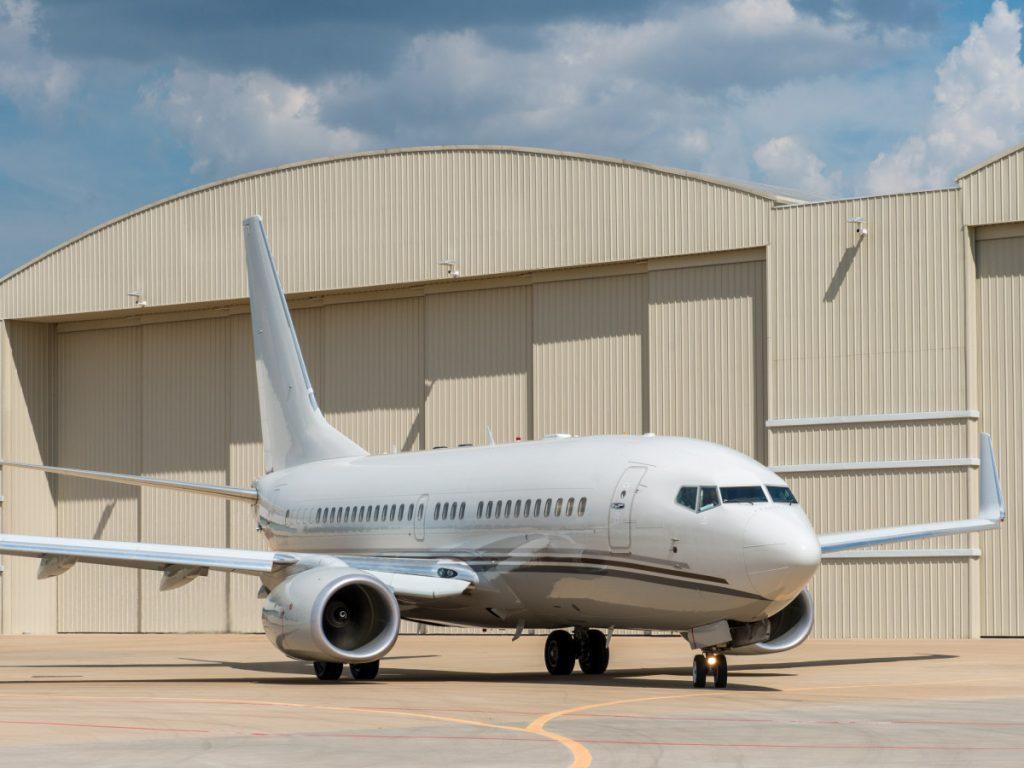
The world of luxury jets is evolving rapidly, driven by advancements in technology, aerodynamics, and materials science. As private aviation continues to soar to new heights, jet manufacturers are pushing the boundaries of performance, delivering aircraft that combine exceptional speed, efficiency, and comfort. This article provides an in-depth exploration of luxury jet dynamics, offering a comprehensive benchmarking of the latest and most elite aircraft performance features that define the future of high-end aviation.
- Redefining Performance: Key Metrics in Luxury Jet Dynamics
When it comes to luxury jets, performance is not just about speed or range; it’s about a harmonious balance between various metrics that define the overall flying experience. Several key factors must be taken into account when evaluating the air performance of next-gen jets, including:
Maximum Range: One of the most critical aspects of luxury jet performance is range. The ability to fly long distances without refueling offers passengers the convenience of nonstop travel. Today’s high-end jets can comfortably cover global distances, making them ideal for international business executives and leisure travelers. Jets like the Gulfstream G700 and Bombardier Global 7500 offer maximum ranges exceeding 7,000 nautical miles, which is ideal for ultra-long-haul flights. This capability allows travelers to fly nonstop from New York to Dubai, or from London to Sydney, without the need for a fuel stop.
Cruising Speed: While speed is often associated with high-performance jets, modern luxury jets strike a balance between speed and efficiency. With speeds up to Mach 0.925, models like the Gulfstream G700 and Bombardier Global 7500 are among the fastest in their class, allowing passengers to get to their destinations in record time. This high cruising speed reduces flight times significantly, making long-distance travel more efficient and convenient for elite travelers.
Fuel Efficiency: As environmental concerns continue to influence the aviation industry, fuel efficiency has become a critical consideration for luxury jet manufacturers. Next-gen jets incorporate advanced engines, aerodynamic designs, and lightweight materials to improve fuel consumption, reducing operational costs while minimizing their carbon footprint. For example, the Dassault Falcon 8X boasts impressive fuel efficiency, thanks to its advanced wing design and new-generation engines that reduce fuel consumption without compromising performance.
Climb Rate and Takeoff Distance: Another important metric in evaluating jet performance is the climb rate, the ability of an aircraft to ascend to cruising altitude quickly. High-performance luxury jets like the Embraer Lineage 1000E feature superior climb rates, allowing them to reach cruising altitude faster and reduce the time spent in climb, thus improving overall travel efficiency. Additionally, the takeoff distance is an important factor, especially for jets operating from smaller airports or private airstrips. Jets like the Bombardier Global 7500 are designed for short takeoff distances, enabling them to operate from airports with shorter runways.
- Next-Gen Jet Engines: Powering the Future of Luxury Aviation
Engine technology is at the heart of the performance dynamics of luxury jets. Modern engine innovations have drastically improved the power, efficiency, and environmental impact of high-end aircraft. Leading manufacturers are turning to new-generation engines that offer better fuel efficiency, quieter operations, and higher thrust capabilities.
Honeywell HTF7000 Series: The Honeywell HTF7000 series engines are commonly found in luxury jets like the Gulfstream G650 and Bombardier Global 7500. These engines are known for their fuel efficiency and low emissions, providing a sustainable solution for long-distance travel. Their high bypass ratio allows for better fuel efficiency while delivering the required power for faster, longer flights.
Pratt & Whitney PW800 Engines: The PW800 engines, used in the Gulfstream G500 and G600, provide outstanding thrust and low fuel consumption. These engines are designed with advanced noise-reducing technologies, making them quieter than traditional engines while delivering exceptional power and speed. The PW800 is one of the most advanced engines in its class, providing high performance while minimizing operational costs.
Rolls-Royce Pearl 700 Engines: Rolls-Royce is renowned for its luxurious and high-performance jet engines. The Pearl 700 engines found in the Bombardier Global 7500 deliver exceptional thrust and efficiency. These engines have been designed for long-range flights, offering superior performance and minimizing fuel consumption and carbon emissions.
- Aerodynamics: Optimizing Jet Design for Superior Performance
The aerodynamic design of a luxury jet plays a crucial role in enhancing its flight performance. By optimizing aircraft shape, wing design, and control surfaces, manufacturers improve both the speed and fuel efficiency of these aircraft.
Winglet Technology: Modern luxury jets like the Gulfstream G700 and Bombardier Global 7500 are equipped with winglets, vertical extensions of the aircraft’s wings that improve aerodynamic efficiency. These winglets help reduce drag and improve fuel efficiency, allowing jets to travel faster while consuming less fuel. The incorporation of advanced winglets allows jets to achieve better lift and less turbulence, which translates into smoother and more comfortable flights for passengers.
Laminar Flow Technology: Some of the most cutting-edge luxury jets, such as the Dassault Falcon 8X, use laminar flow technology to smooth out the airflow around the aircraft. This helps reduce drag, which in turn improves the aircraft’s overall fuel efficiency and speed. Laminar flow also helps to reduce the turbulence that passengers experience during flight, making the cabin environment much more comfortable.
Advanced Materials: Modern composite materials are also being used in the construction of luxury jets to reduce weight and improve aerodynamic performance. Jets like the Bombardier Global 7500 incorporate carbon fiber and other lightweight materials that help reduce the overall weight of the aircraft, improving fuel efficiency and range without compromising on structural integrity.
- Luxury and Comfort: Performance Meets Passenger Experience
While performance is a top priority for luxury jets, it is not the only consideration. The comfort of passengers is just as important, and manufacturers are focusing on blending high performance with unparalleled luxury.
Cabin Pressure and Altitude: One of the critical factors in enhancing the flying experience is maintaining a comfortable cabin pressure. Luxury jets like the Gulfstream G700 offer low cabin altitude settings, which help reduce the fatigue and discomfort often associated with high-altitude flights. With a cabin altitude as low as 4,850 feet, passengers feel more refreshed upon arrival, even after long-haul flights.
Noise Reduction Technology: Another key feature that enhances the passenger experience in high-performance jets is the incorporation of noise-reduction technologies. The Bombardier Global 7500 and Dassault Falcon 8X both feature advanced soundproofing systems that create a quieter cabin environment. This is especially important for business travelers who need a peaceful setting to work or relax during the flight.
Luxurious Interiors: The interior design of a luxury jet must align with the performance capabilities of the aircraft. Premium jets feature spacious cabins with multiple living areas, custom seating, and high-quality finishes. Whether it’s a bedroom suite on the Global 7500 or a conference room on the Gulfstream G650ER, every detail is carefully crafted to ensure that passengers enjoy the highest levels of comfort.
- The Future of Luxury Jet Dynamics: What’s Next?
As luxury jets continue to evolve, several key trends will shape the future of elite air performance:
Electric and Hybrid Aircraft: With the growing focus on sustainability, electric and hybrid-electric propulsion systems are becoming more viable. Manufacturers are already developing hybrid aircraft that promise to reduce carbon emissions and improve fuel efficiency. These innovations could become an essential part of the future of luxury aviation.
Supersonic Travel: Supersonic jets are making a comeback, with companies like Boom Supersonic working on aircraft capable of traveling at speeds exceeding Mach 2. These jets will significantly reduce flight times, allowing passengers to travel from New York to London in under four hours. Although supersonic jets are still in the development stage, they represent the next frontier in high-speed luxury air travel.
Autonomous Jets: Autonomous aviation is another exciting trend. While fully autonomous luxury jets are not yet a reality, significant progress is being made in the field of aviation automation. In the future, jets may be capable of flying with minimal human intervention, enhancing safety and operational efficiency.
Conclusion: The Future is Bright for Luxury Jet Performance
The future of luxury jet dynamics is marked by a perfect blend of cutting-edge technology, performance optimization, and passenger comfort. With advanced engines, aerodynamic designs, and luxurious interiors, the latest generation of private jets is setting a new standard for high-end air travel. As the demand for faster, more efficient, and more sustainable aircraft continues to rise, manufacturers will continue to innovate, offering an exceptional flying experience for the world’s elite.
In the coming years, we can expect to see even more impressive innovations in the world of luxury aviation, with jets that combine unmatched speed, range, and efficiency, all while maintaining the opulence and comfort that define private air travel.