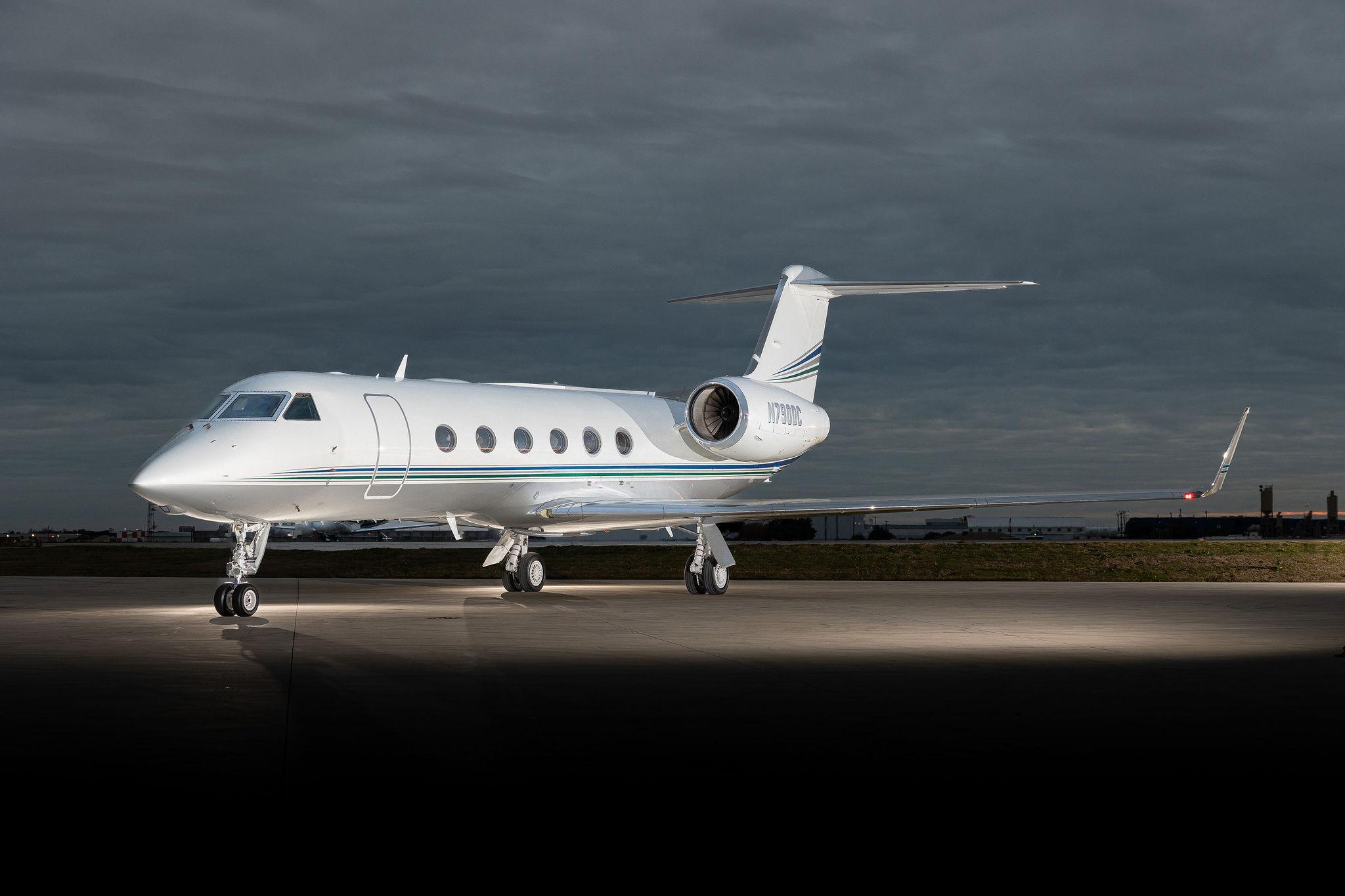
The performance of a luxury jet is paramount to the overall flying experience. While elegance,comfort, and luxury are undeniably important, the true distinction of an elite jet lies in its performance capabilities. From speed and range to aerodynamics and fuel efficiency, a luxury jet’s design is a blend of cutting-edge technology and precision engineering.
In this article, we will benchmark the performance metrics that define the best luxury jets. We’ll examine key features such as engine performance, flight stability, operational efficiency, and technological innovations that make today’s jets stand out in the sky. Let’s explore the evolution of jet design and the performance characteristics that are shaping the future of luxury air travel.
- Speed and Efficiency: The Heart of Elite Performance
When it comes to private aviation, speed is one of the most important performance metrics. Elite luxury jets are designed for those who want to arrive at their destinations as quickly as possible, whether it’s for business meetings or a personal getaway. However, speed must be balanced with fuel efficiency and range, ensuring that the jet can maintain high-performance levels while also minimizing operational costs.
Supersonic Jets: Breaking the Sound Barrier
One of the most significant advancements in jet performance is the rise of supersonic aircraft.Supersonic jets, capable of flying faster than the speed of sound, have the potential to revolutionize private air travel. Boom Supersonic is leading the way with its Overture jet, designed to reach speeds of Mach 2.2, more than twice the speed of sound. With a range of 4,500 nautical miles, the Overture will cut flight times drastically. For example, a New York to London flight could be completed in just 3.5 hours instead of the usual 7 hours.
Supersonic jets are set to change the dynamics of business travel and luxury flying, offering reduced travel times while maintaining a high level of comfort and luxury.
Business Jets: High-Speed Travel with Efficient Design
For most of the luxury jet market, supersonic speeds may not yet be a necessity. However, high-end jets like the Gulfstream G700 and Dassault Falcon 10X are pushing the boundaries of subsonic flight speeds. These jets can reach speeds of around Mach 0.925, ensuring that travelers get to their destinations quickly while optimizing fuel efficiency. The G700, for instance, boasts a range of 7,500 nautical miles, allowing it to connect cities like New York and Tokyo non-stop.
The key to these jets’ impressive performance is their advanced engine technology. With swept-back wings, improved aerodynamics, and next-gen engines, these aircraft maintain impressive speed while reducing fuel consumption and carbon emissions.
2.Range and Endurance:Traveling the World Without Limits
Range is a critical metric when evaluating the performance of a luxury jet. The ability to fly long distances without the need for frequent refueling makes elite jets ideal for intercontinental travel. The range of a jet depends on several factors, including engine efficiency, fuel capacity, and aerodynamic design.
Ultra-Long Range Jets
Among the longest-range jets, the Gulfstream G650ER stands out, with a maximum range of 7,500 nautical miles. This jet can fly from New York to Hong Kong or London to Los Angeles without needing to refuel. With a cruising speed of Mach 0.85 and a top speed of Mach 0.925, the G650ER combines both speed and endurance, offering a luxurious experience for passengers on long-haul flights.
Similarly, the Dassault Falcon 8X has a range of 6,450 nautical miles. This jet is designed for ultra-long-range travel while maintaining the comfort and flexibility that elite passengers expect. It is one of the best business jets for intercontinental travel, offering a balance of performance, luxury, and efficiency.
The Impact of Fuel Efficiency
Fuel efficiency plays a significant role in the range of a jet. Many modern luxury jets now incorporate fuel-efficient technologies that reduce overall fuel consumption, such as lighter materials, more efficient engines, and advanced aerodynamics. These innovations help reduce both operational costs and the aircraft’s environmental impact.
As we move into the future, many manufacturers are working on hybrid-electric and electric propulsion systems, which have the potential to extend the range of luxury jets even further while also improving sustainability.
- Aerodynamics and Stability: A Smooth Ride at High Altitudes
When it comes to the performance of a luxury jet, aerodynamics is crucial. The design of the wings,fuselage, and tail affects not only the speed and efficiency of the aircraft but also its stability and handling at high altitudes. The more aerodynamic the aircraft, the smoother and more stable the flight,even in turbulent weather.
Wing Design and Aerodynamic Efficiency
Modern luxury jets are designed with advanced wing shapes that enhance the aircraft’s lift-to-drag ratio. For instance, the Gulfstream G650 features highly efficient wings that optimize fuel consumption and reduce drag. These innovations ensure that the jet performs optimally at all stages of the flight, whether cruising at 45,000 feet or descending for landing.
Additionally, the winglets used on most luxury jets reduce vortex drag and improve fuel efficiency.These upturned tips at the end of the wings allow for better airflow, which results in smoother flights and reduced fuel consumption.
Fly-by-Wire Systems and Flight Control
Another aspect of aerodynamic performance is flight control. Many modern luxury jets are equipped with fly-by-wire systems, which use electronic controls to adjust the aircraft’s movements rather than traditional mechanical controls. These systems provide smoother flight handling, more precise control,and the ability to adapt to changing flight conditions, all contributing to a more comfortable experience for passengers.
4.Interior Design Meets Performance:Combining Comfort with Efficiency
The interior design of a luxury jet is not only about aesthetics, it also impacts the performance of the aircraft. Lightweight materials, customizable layouts,and smart technologies can improve both the comfort and operational efficiency of the jet.
Advanced Cabin Materials
Modern luxury jets utilize advanced materials such as carbon fiber and titanium to reduce the weight of the aircraft without sacrificing strength or durability. This contributes to the overall performance by allowing for greater fuel efficiency, improved range, and better stability.
Customizable Layouts for Efficiency
Luxury jets also incorporate customizable interior layouts that can be adapted based on the needs of the passengers. Whether it’s a spacious lounge area, a conference room, or a private bedroom, the ability to reconfigure the cabin ensures that the jet is optimized for both comfort and functionality. These layouts are designed with advanced air circulation systems, noise reduction technologies, and state-of-the-art entertainment systems to ensure a comfortable flying experience.
5.Technology Integration: The Future of Luxury Jet Performance
As we look toward the future of luxury jets, technology integration is playing a pivotal role in enhancing both performance and passenger experience. From advanced avionics to smart cabins, the latest innovations are shaping how jets perform in the air.
Advanced Avionics
Next-gen jets are equipped with advanced avionics systems that enhance navigation, flight safety, and performance monitoring. These systems include automated flight controls, real-time performance tracking, and weather radar systems that provide pilots with detailed information about flight conditions, optimizing the aircraft’s performance and safety.
Smart Cabin Technologies
Smart cabin technologies allow passengers to control every aspect of their flight experience. From climate control to lighting and entertainment systems, these technologies ensure that the cabin remains comfortable and functional throughout the journey. Additionally, wireless connectivity and satellite communication systems ensure that passengers remain connected while in the air, allowing them to stay productive or entertained.
- Conclusion: The Future of Luxury Jet Performance
The future of luxury jet performance lies in a harmonious balance of speed, range,aerodynamics, and technology. As supersonic jets, hybrid-electric engines, and smart cabin technologies continue to evolve,the luxury aviation industry is poised for significant advancements. Elite travelers can expect to experience even more personalized, efficient, and sustainable flying experiences in the years to come
As manufacturers push the boundaries of innovation, luxury jets will continue to evolve, setting new standards for performance, comfort, and style in the sky.