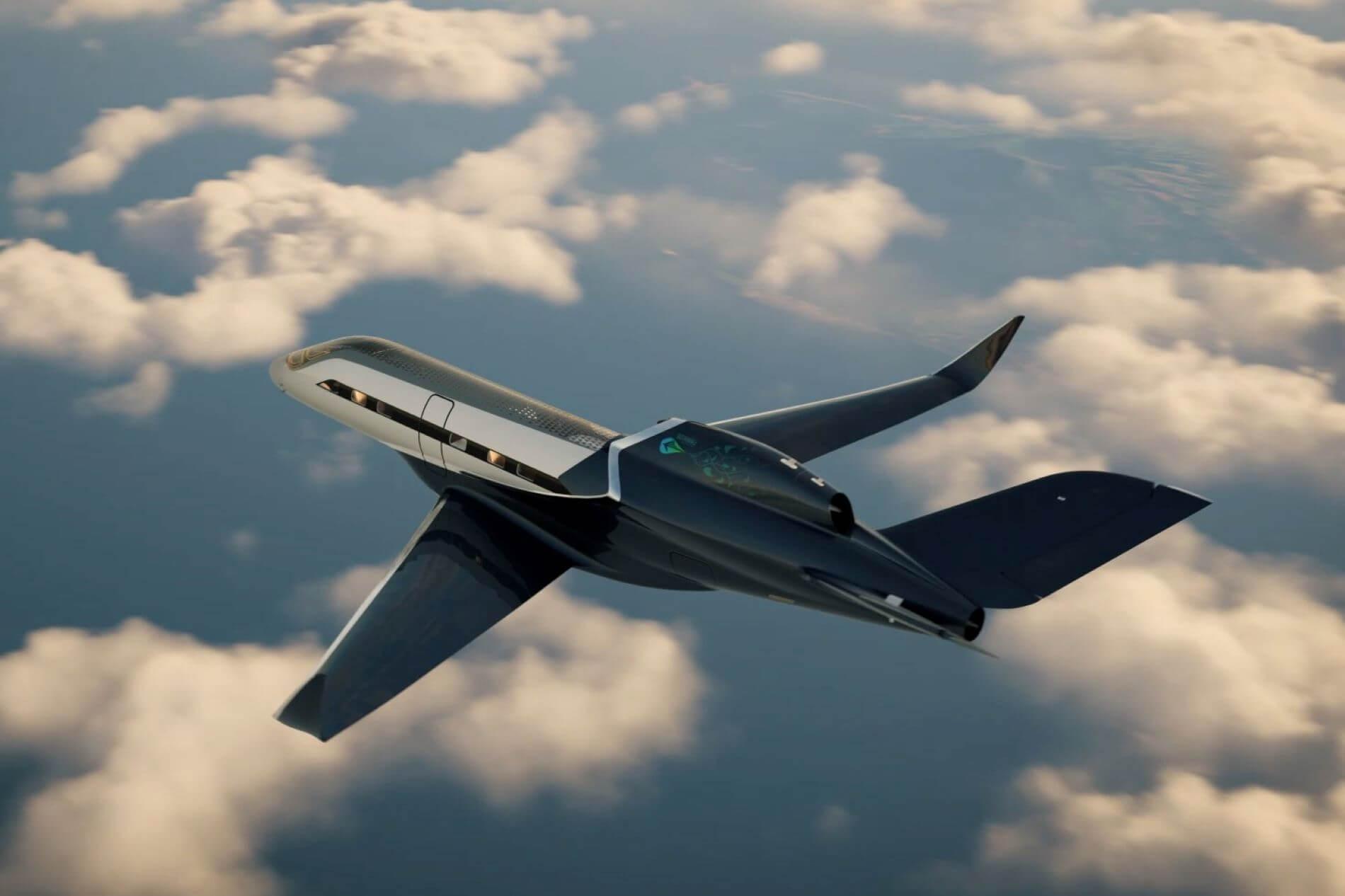
Speed and Range: The Ultimate Indicators of Performance
The speed and range of a jet are key factors that differentiate luxury models from standard ones. High-performance jets are built to fly faster and further, making them ideal for long-haul flights without the need for multiple refueling stops. Speed is not only about getting from point A to point B quickly, but it also defines the comfort and efficiency of air travel.
One of the top-performing jets in this category is the Gulfstream G700. This aircraft boasts a top speed of Mach 0.925, making it one of the fastest private jets available. Its impressive range of 7,500 nautical miles means it can easily connect major cities around the world without needing to refuel. This is especially valuable for high-net-worth individuals who frequently travel long distances and expect seamless travel experiences.
Similarly, the Bombardier Global 7500 also offers exceptional speed, reaching Mach 0.925, with a range of 7,700 nautical miles. This aircraft is designed for nonstop intercontinental flights, offering ultra-long-range capabilities without sacrificing comfort. It is equipped with advanced aerodynamics and engine technology that allow it to maintain high efficiency at high speeds, ensuring that passengers arrive at their destinations quickly and comfortably.
Another noteworthy jet in terms of speed and range is the Dassault Falcon 8X, which boasts a top speed of Mach 0.90 and a range of 6,450 nautical miles. While slightly less than the Gulfstream G700 and Bombardier Global 7500, the Falcon 8X is still capable of performing long-range flights while providing a quieter, smoother ride for passengers.
Fuel Efficiency: Balancing Performance with Sustainability
While speed and range are essential for high-end jets, the efficiency with which they operate is equally important, particularly as the aviation industry becomes more focused on sustainability. Fuel efficiency plays a crucial role in reducing the carbon footprint of private aviation while ensuring that the jet performs optimally.
The Embraer Legacy 500 stands out in terms of fuel efficiency. With its advanced aerodynamics and lightweight composite materials, the Legacy 500 offers impressive fuel economy for a jet of its class. This aircraft is designed to maximize range while minimizing fuel consumption, ensuring that it operates cost-effectively over long distances.
Advanced Engine Technology: The Heart of High-Performance Jets
At the core of any high-performance jet is its engine technology. The engines of luxury jets are designed to provide not only power and efficiency but also a quiet, smooth ride for passengers. Over the years, manufacturers have made significant advancements in engine technology, ensuring that their jets are faster, more efficient, and quieter than ever before.
The Rolls-Royce Pearl 700 engine, used in the Gulfstream G700, is an example of cutting-edge technology in jet propulsion. The Pearl 700 engine is designed to deliver unparalleled performance, providing a powerful thrust while ensuring fuel efficiency and low emissions. Its design also incorporates advanced noise-reduction technology, contributing to the overall quietness and comfort of the aircraft’s cabin.
Similarly, the Pratt & Whitney PW815F engines in the Bombardier Global 7500 are designed to provide exceptional performance and efficiency. These engines are part of a new generation of turbofan engines that offer superior fuel economy while reducing the environmental impact of flying. The combination of these engines with the aircraft’s aerodynamics allows for impressive speed, range, and overall performance.
Handling and Stability: A Smooth and Safe Ride
The handling and stability of a luxury jet are essential elements that ensure a safe and smooth flying experience. Luxury jets are designed to maintain stability and comfort, even in turbulent conditions. The advanced flight control systems in modern jets play a significant role in improving the overall handling of the aircraft.
The Gulfstream G650ER is widely regarded as one of the best jets in terms of handling and stability. The aircraft features a fly-by-wire control system that ensures precise handling, even at high altitudes and speeds. Its wing design and advanced flight control systems allow it to perform exceptionally well in both turbulent and calm air, providing a smooth and comfortable ride for passengers.
The Dassault Falcon 8X also excels in terms of handling. The aircraft is equipped with a sophisticated fly-by-wire system and a three-axis autopilot, allowing it to respond seamlessly to pilot inputs while maintaining stability. Its exceptional maneuverability and ability to handle crosswinds make it an ideal choice for flying in various weather conditions.
Cabin Comfort: A Performance Indicator Beyond the Metrics
While speed, range, fuel efficiency, and engine technology are essential components of luxury jet performance, cabin comfort is just as important. A high-performance jet should not only fly efficiently but also provide an environment where passengers can relax and work in comfort. Luxury jets are designed with spacious cabins that offer the latest amenities, including plush seating, fully-equipped workspaces, and state-of-the-art entertainment systems.
The Bombardier Global 7500 is renowned for its luxurious cabin, which includes four distinct living areas: a private bedroom, a dining area, a conference area, and a lounge. The cabin is designed to be a haven for passengers, with advanced air filtration systems, customizable lighting, and noise-reduction technology that enhances the overall flying experience.
Similarly, the Gulfstream G700 offers one of the largest and most luxurious cabins in the private jet market. It features a variety of seating options, including fully reclining chairs, a comfortable divan, and customizable workspaces. The cabin is designed to offer a high level of comfort and flexibility, ensuring that passengers can work, rest, or entertain in style during their flights.
Conclusion: The Future of Luxury Jet Performance
The performance of luxury jets has come a long way over the years, and as technology continues to advance, we can expect even greater enhancements in speed, range, fuel efficiency, and overall comfort. High-performance jets are not just about getting passengers from one point to another; they are about offering an unparalleled experience that combines cutting-edge technology with luxury and comfort.
As manufacturers continue to push the boundaries of what is possible in jet design, the future of luxury air travel looks brighter than ever. Whether it’s the speed and range of the Gulfstream G700, the fuel efficiency of the Embraer Legacy 500, or the comfort and stability of the Bombardier Global 7500, luxury jets are redefining what it means to travel in style and comfort.
In the coming years, we can expect further innovations in jet technology that will continue to elevate the standard of luxury air travel. From advanced engine technologies to enhanced cabin features, the future of luxury jet performance promises to be even more impressive than ever before, providing a new level of convenience, efficiency, and elegance for discerning travelers.