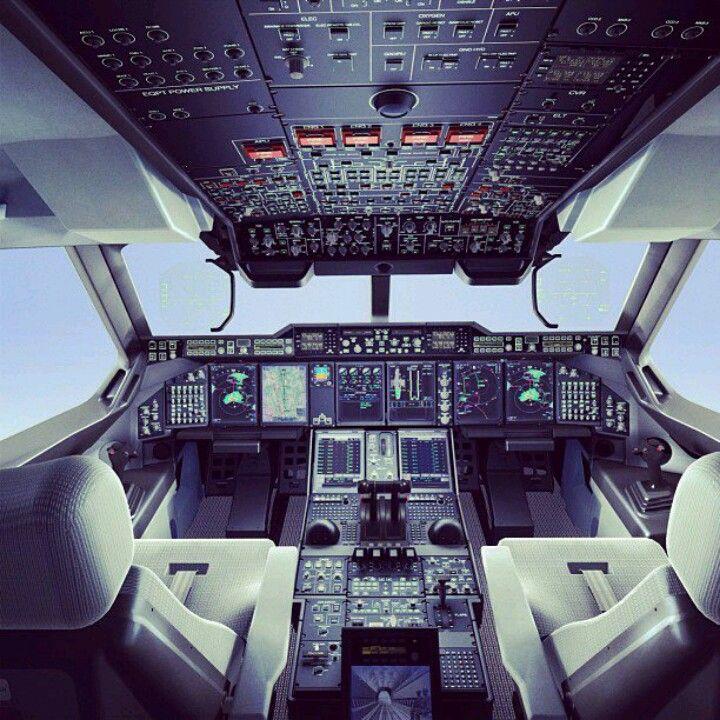
In the realm of luxury travel, private jets have long been the ultimate status symbol. The idea of flying in a fully customized aircraft, away from the hustle and bustle of commercial airports, appeals to many who can afford such indulgence. However, as technology advances, new innovations are continuously reshaping the way we think about travel. One such advancement is the rise of personal luxury drones, cutting-edge flying vehicles that promise to revolutionize air travel, making it more accessible, efficient, and personalized than ever before. The question now arises: will personal luxury drones replace private jets in the near future?
As the aviation industry moves toward more sustainable and innovative solutions, the prospect of personal drones becoming a mainstream mode of transport seems increasingly likely. With their compact design, ability to fly autonomously, and advanced technology, personal luxury drones are quickly garnering attention from both tech enthusiasts and luxury travelers alike. But can these drones truly compete with the comfort, speed, and sophistication of a private jet?
In this article, we will explore the potential of personal luxury drones, examining their advantages, challenges, and the factors that could determine whether they will indeed replace private jets as the future of exclusive air travel.
The Rise of Personal Luxury Drones
Personal drones, once the realm of hobbyists and tech innovators, are rapidly evolving into sophisticated flying machines capable of carrying passengers. As companies develop more advanced drone technology, these vehicles are becoming smaller, faster, and more efficient. Unlike traditional helicopters or airplanes, personal drones have the advantage of being electric, reducing their environmental impact, and offering the potential for autonomous flight.
These drones are designed to offer a highly personalized experience, giving passengers the ability to bypass conventional airports and travel directly from point A to point B in a matter of minutes. A personal luxury drone would not only be a technological marvel but also a symbol of the future of high-end travel. With a sleek, modern design and an array of luxurious amenities, these drones are poised to change the way we think about air travel.
Key Advantages of Personal Luxury Drones
- Reduced Travel Time and Increased Efficiency
One of the main advantages of personal luxury drones is the ability to drastically reduce travel time. Private jets require passengers to go through airport security, boarding procedures, and sometimes long waits for takeoff. In contrast, personal drones can take off and land from any open space, potentially cutting out the need for traditional airports altogether. With autonomous flight systems and advanced navigation technologies, drones can provide faster and more direct routes between destinations.
For luxury travelers who value time above all else, this can be a significant advantage. The ability to travel at a moment’s notice, without the delays associated with traditional air travel, makes drones an attractive alternative. In the near future, as urban air mobility (UAM) networks develop, drones could offer point-to-point travel, drastically reducing the time spent in transit.
- Sustainability and Reduced Environmental Impact
Environmental concerns are becoming increasingly important in the world of luxury travel. Private jets, despite their convenience and opulence, are known for their high carbon footprint. In response to growing demand for sustainable aviation, personal luxury drones offer a greener alternative. These drones would be electric-powered, reducing emissions and energy consumption compared to traditional aircraft.
In addition to being more eco-friendly, the potential for autonomous flight could make drones more energy-efficient. By optimizing flight paths and reducing the need for human input, drones could save both fuel and resources. For eco-conscious luxury travelers, this makes the personal drone a much more attractive option compared to private jets, which are often criticized for their environmental impact.
- Customization and Personalization
Personal luxury drones offer the opportunity for extreme customization. Unlike private jets, which have a set interior and configuration, drones can be designed to meet the specific needs of individual passengers. From luxurious seating to bespoke entertainment systems, a personal drone can be equipped with features that reflect the tastes and preferences of its owner.
As drones become more advanced, manufacturers may also integrate smart technology into the experience. Imagine voice-controlled systems that adjust the temperature, lighting, and even the music to create a perfectly customized environment for every flight. The combination of cutting-edge technology and luxury design could make the personal drone a truly immersive experience.
Challenges Facing Personal Luxury Drones
While the concept of personal luxury drones is incredibly appealing, there are several challenges that need to be addressed before they can become a viable alternative to private jets.
- Safety Concerns and Regulatory Issues
One of the biggest challenges facing personal drones is safety. As these vehicles take to the skies, ensuring the safety of passengers and others in the airspace is crucial. Drones will need to be equipped with advanced collision avoidance systems, parachutes, and other safety features to prevent accidents and provide peace of mind to passengers.
In addition, regulatory bodies such as the FAA (Federal Aviation Administration) and the EASA (European Union Aviation Safety Agency) will need to develop comprehensive regulations for drone flights, especially in populated urban areas. Since drones are still a relatively new technology, air traffic control systems will need to be updated to handle the integration of personal drones into national airspaces. Until these safety and regulatory concerns are addressed, widespread adoption of personal luxury drones will remain limited.
- Limited Range and Payload Capacity
Another challenge facing personal luxury drones is their range and payload capacity. Most current drones, even those designed for personal use, have relatively limited flight ranges. While drones like the Volocopter or Lilium Jet have made significant strides in electric vertical takeoff and landing (eVTOL) technology, their battery life is still a limiting factor. For long-distance travel, private jets remain the preferred mode of transportation due to their endurance and capacity.
As battery technology improves, personal drones may be able to achieve longer ranges and carry heavier payloads. However, for now, the size and capacity of personal drones are still limited compared to private jets, which can carry multiple passengers and travel across continents without needing to stop for recharging or refueling.
- Cost and Affordability
While personal luxury drones may seem like the future of travel, their cost could be a significant barrier to entry. As with private jets, personal drones would likely come with a hefty price tag, putting them out of reach for the average consumer. The technology required to create such advanced flying machines, as well as the materials and craftsmanship involved, would drive up the price.
Moreover, the maintenance and operating costs of personal drones could be considerable. Drones will require regular upkeep to ensure safety and efficiency, and the cost of pilot training and insurance could also add to the overall expense. Until the technology becomes more widespread and affordable, personal drones will likely remain a luxury item for the elite few.
Will Personal Luxury Drones Replace Private Jets?
The short answer is: not yet. While personal luxury drones offer many advantages, they are still in the early stages of development and face significant challenges that need to be addressed. Private jets continue to offer a very uniqueed convenience, comfort, and range, making them the gold standard in luxury air travel. For long-distance international travel or large-group flights, private jets remain the most practical option.
However, as technology continues to improve, personal luxury drones could eventually become a viable alternative for short-haul flights, offering a faster, more sustainable, and highly personalized experience. The growth of urban air mobility networks, autonomous flight, and advancements in battery technology could allow personal drones to serve as a complementary mode of transport to private jets, rather than a direct replacement.
For now, personal drones are more likely to serve as a niche luxury product, catering to those who seek convenience, speed, and exclusivity for local or regional travel. As the market for eVTOL aircraft expands, we may see these drones become a key player in the broader urban mobility ecosystem, connecting cities in ways that were once unimaginable.
The Future of Air Travel: A Combination of Jets and Drones?
It’s possible that in the near future, we will see a combination of private jets and personal luxury drones coexisting to provide a wide range of travel options. While private jets will continue to dominate long-haul and high-capacity flights, drones could take over shorter trips, offering an efficient and eco-friendly alternative.
As personal luxury drones evolve and become more mainstream, they may redefine the meaning of exclusive travel, making it possible to soar through the sky or explore a new destination with the freedom and flexibility only a drone can provide. Ultimately, these cutting-edge machines could bring the dream of personalized air travel into the mainstream, allowing people to experience the skies like never before.