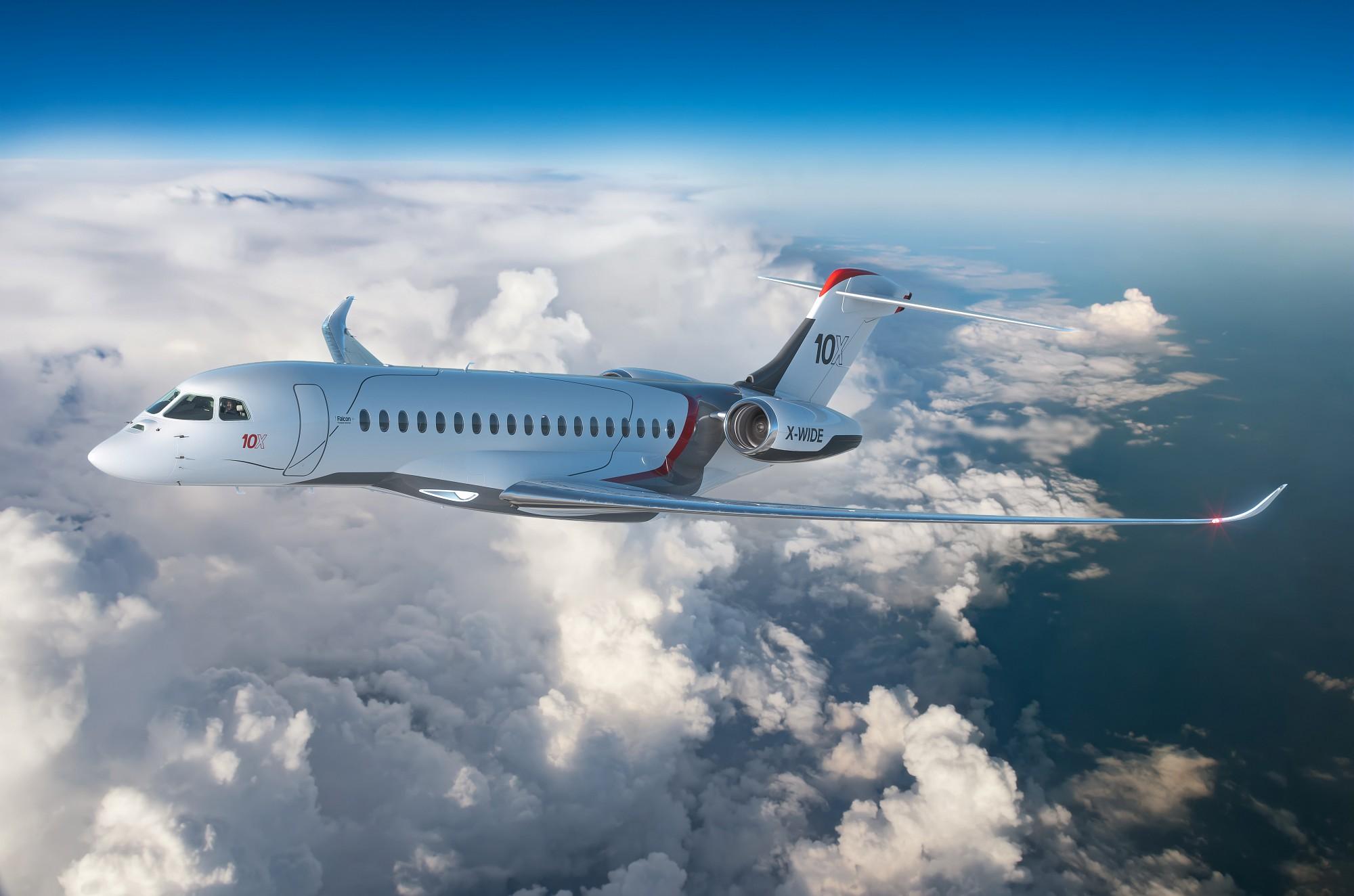
For the modern elite buyer, acquiring a private jet is not just about luxury, but a smart, well-planned investment. This purchase represents the ultimate in personal and professional convenience, often elevating one’s business operations and travel capabilities. The process, however, is intricate and requires a level of strategic foresight. To master private jet acquisition, you need to go beyond simply picking an aircraft. You must approach the purchase with a creative mindset that considers the aircraft’s long-term value, efficiency, and your own specific needs.
In this guide, we’ll walk you through the entire process of acquiring a private jet, blending creativity with expert strategies to ensure you make an informed, profitable decision. Whether you’re purchasing a jet for personal use, business, or as part of an investment portfolio, this creative blueprint will help you navigate the complexities with ease.
1. Establishing Your Jet Ownership Goals: What Does Elite Ownership Mean to You?
Before diving into the specifics of jet acquisition, it’s essential to define what private jet ownership means to you. Are you purchasing the jet as a luxury item, for business travel, or as an investment asset? Understanding your goals will influence every decision in the acquisition process.
Business Efficiency:
For many elite buyers, the decision to purchase a private jet comes down to improving business efficiency. A jet can provide unparalleled access to multiple locations in a day, increasing productivity and giving you the flexibility to travel on your own terms. If business efficiency is your main priority, you’ll likely want a long-range jet that can comfortably accommodate your team and clients. Consider jets like the Gulfstream G650ER or Bombardier Global 7500, which offer both luxury and business-grade functionality.
Personal Luxury:
On the other hand, if your goal is luxury, then comfort, design, and in-cabin technology will be your focus. Smaller jets, such as the Embraer Phenom 300 or Cessna Citation XLS+, offer high-end features and are perfect for shorter trips or personal getaways. Customization options for interiors, including state-of-the-art entertainment systems and spacious cabins, will be key aspects of your decision.
Investment Growth:
Some buyers view jet ownership as an investment. With the right aircraft, you can take advantage of charter opportunities, and as the aircraft appreciates, you could earn significant returns. For investment purposes, demand-driven aircrafts such as the Gulfstream G550 or Bombardier Challenger 350 tend to retain value and attract a steady stream of charter bookings.
2. Thorough Market Research: Identifying Opportunities in the Private Jet Market
To make a smart purchase, understanding the private jet market is crucial. The demand for specific models, pricing trends, and current availability will all play a significant role in finding the best deal. This is where your creative approach truly comes into play.
Monitor Pricing Trends:
Jet prices fluctuate based on various factors, including economic conditions, technological advancements, and shifts in demand. By actively monitoring the private jet market, you’ll be able to spot pricing trends and identify the optimal time to make your purchase. Websites like JetNet and Controller provide real-time listings, along with detailed market analysis, so you can compare prices across a wide range of jets.
Understand Model Depreciation:
Not all jets depreciate at the same rate. Some models, especially those from well-established brands like Gulfstream, Bombardier, or Dassault, tend to hold their value better than others. By researching depreciation trends, you can identify jets that will offer a higher return on investment if you decide to sell them in the future.
Consider Pre-Owned Jets:
While new jets come with the latest technology and features, pre-owned jets often present the best opportunity for significant cost savings. A pre-owned jet that has been well-maintained can deliver much of the same experience as a new one but at a fraction of the cost. Ensure the pre-owned jet has passed stringent inspection checks to avoid unexpected maintenance costs.
Supply and Demand:
Pay attention to models that are in high demand within the charter market. Jets like the Gulfstream G450 and Bombardier Global 5000 are popular due to their reliability, size, and performance. Acquiring these models gives you an edge in charter opportunities, ensuring that you can maximize returns on your investment.
3. Creative Financing and Ownership Options: Unlocking Your Jet’s Value
The cost of acquiring a private jet can be significant, but creative financing options make the purchase more manageable. Elite buyers often have access to flexible financing models that maximize their purchasing power.
Leasing Options:
If full ownership isn’t a priority, leasing may be an attractive option. Leasing allows you to pay for the use of the jet without the long-term commitment. For business owners, this can provide access to an aircraft without the hefty upfront investment, while still offering the flexibility to upgrade or switch jets based on needs. You can negotiate for maintenance-inclusive lease terms, which can help lower overall operating costs.
Fractional Ownership:
Another creative financing option is fractional ownership, which provides access to a jet for a share of the cost. Companies like NetJets and Flexjet offer fractional ownership opportunities, allowing you to buy a share of an aircraft while benefiting from lower operational costs and a reduced initial investment. This is perfect for buyers who require frequent access to a private jet without taking on the full responsibility of ownership.
Aircraft Financing:
For buyers who prefer full ownership, financing through specialized lenders is the way to go. Aviation lenders offer competitive rates for purchasing a private jet. Financing through an aviation-specific lender gives you the flexibility to own the aircraft outright without draining your liquidity. However, interest rates can vary, so it’s important to shop around and choose a financing partner that aligns with your financial goals.
Tax Considerations:
The tax implications of owning a jet can be significant, especially for business owners. Certain costs associated with private jet ownership, including maintenance, fuel, and depreciation, may be tax-deductible. Work closely with a tax advisor who understands the aviation industry to maximize your tax benefits and ensure that you are in full compliance with tax laws.
4. Mastering Negotiations: Securing a Win-Win Deal
A private jet is a major purchase, and negotiating the right deal can save you a significant amount of money. Creative negotiation tactics, when combined with an understanding of market value and industry trends, will help you secure the best price.
Get the Facts:
Before entering negotiations, arm yourself with as much information as possible. Whether you’re purchasing a new jet or negotiating for a pre-owned aircraft, knowing market values, pricing trends, and the jet’s maintenance history will put you in a strong position.
Inspect the Aircraft:
Request a third-party inspection before committing to a deal. A thorough inspection will identify any potential issues, from mechanical problems to cosmetic imperfections. Use these findings to negotiate a better price or ask the seller to cover the cost of repairs.
Know Your Budget:
While it’s important to consider the long-term value of a jet, you should also have a clear understanding of your budget before beginning negotiations. Factor in not just the purchase price, but also the operating costs (fuel, maintenance, insurance) and potential financing fees. Establish your maximum price and stick to it, avoiding the temptation to overspend on features that may not add significant value.
Work with an Expert Broker:
An experienced jet broker can act as a valuable intermediary, helping you navigate the complexities of jet purchases. Brokers have insider knowledge, strong industry relationships, and expertise in negotiating jet prices. A good broker will work to get you the best deal, saving you time and potentially hundreds of thousands of dollars.
5. Maximizing Your Jet’s Value: Income Generation and Resale Strategy
Once you’ve acquired your jet, the next step is ensuring it provides both personal enjoyment and financial returns.
Charter Your Jet:
Consider placing your jet in a charter program to generate income when it’s not in use. Popular models such as the Bombardier Global 6000 and Gulfstream G550 are in high demand for chartering. Renting your jet out can offset the cost of ownership and provide a steady stream of revenue.
Maintain the Aircraft:
Proper maintenance is key to keeping your jet in top condition and ensuring that it retains its value over time. Regular inspections, servicing, and updates to both the interior and exterior will help you preserve the jet’s market value and improve your potential resale price.
Resale and Upgrades:
Should you decide to sell the jet in the future, consider the upgrade potential. Certain jets, especially those from Gulfstream, Dassault, or Bombardier, tend to retain strong resale values due to their reputation, performance, and market demand. Keep an eye on the resale market, and be prepared to capitalize on opportunities to sell your jet at the right time.
Conclusion
Mastering the process of private jet acquisition requires both creativity and strategy. By defining your ownership goals, conducting thorough market research, leveraging financing options, negotiating effectively, and maximizing your jet’s value, you can make a purchase that’s both seamless and lucrative. Whether for business, personal luxury, or as a financial asset, the right approach will ensure your private jet enhances your lifestyle and delivers lasting benefits.