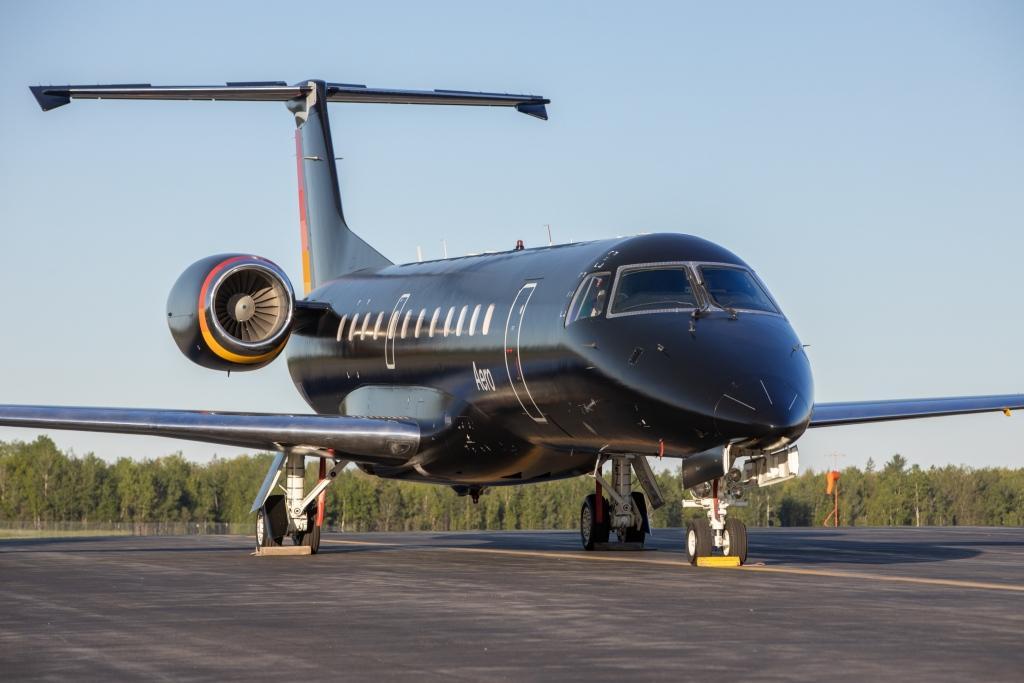
Purchasing a private jet is not just about acquiring a luxurious piece of aviation equipment; it’s a major life decision that requires extensive research, financial foresight, and strategic planning. Whether you are a seasoned business traveler, an entrepreneur with frequent international commitments, or an individual seeking the ultimate level of convenience and comfort, the process of buying a private jet can be a complex and daunting experience. The good news is that, with the right knowledge and approach, you can demystify the entire process and make a well-informed purchase.
This comprehensive guide will walk you through the essential techniques for successfully purchasing a private jet. From choosing the right aircraft for your needs to navigating the purchasing process, negotiating with sellers, securing financing, and managing the post-purchase responsibilities, this article provides the insights needed to ensure that your private jet buying experience is smooth, successful, and rewarding.
Why Consider Buying a Private Jet?
Private jet ownership is a significant investment, but it also comes with numerous advantages that justify the cost for many individuals. The flexibility, privacy, and convenience offered by private jets make them an invaluable asset for the elite few who can afford them. Here are some reasons why buying a private jet might be the right choice for you:
- Unmatched Convenience and Flexibility
The ability to fly according to your own schedule, avoid crowded airports, and choose more direct routes are among the most significant benefits of owning a private jet. No more waiting in long security lines, delays, or missed connections, your time is your own. - Increased Productivity and Privacy
Private jets offer an environment free from distractions, which is ideal for business professionals who need to work while traveling. Whether you need to prepare for an important meeting or simply want privacy to unwind, a private jet provides the perfect setting for both. - Enhanced Comfort and Luxury
Unlike commercial flights, where you are confined to cramped seats and restricted services, private jets are designed with luxury in mind. You can enjoy spacious cabins, gourmet meals, personalized services, and cutting-edge technology, all tailored to your preferences. - Long-Term Investment
While private jets may seem like an extravagant purchase, they can be a wise long-term investment. Depending on the make and model, a well-maintained jet can retain or even increase in value, especially when the market demand for private jets is high. Additionally, many jet owners choose to charter their jets or enter fractional ownership programs to offset the costs of ownership.
Types of Private Jets to Consider
Before you can begin the process of purchasing a private jet, it’s important to understand the different types of jets available on the market. Each category is designed for specific types of travel, so choosing the right type of jet is crucial to making an informed purchase.
- Light Jets
Light jets are smaller aircraft designed for short-range flights and are ideal for traveling to nearby destinations. These jets typically accommodate between 4-8 passengers and are perfect for quick regional trips.
Popular models include:
-
- Cessna Citation Mustang
- Embraer Phenom 100
- Learjet 35
- Midsize Jets
Midsize jets offer more space and a longer range than light jets, making them suitable for both domestic and international flights. These jets typically carry between 6-9 passengers and are popular among business professionals who frequently travel between major cities.
Popular models include:
-
- Cessna Citation XLS
- Hawker 800XP
- Bombardier Learjet 60XR
- Super Midsize Jets
Super midsize jets are larger than standard midsize jets and offer more luxury, comfort, and capability for longer flights. These jets are typically able to carry up to 12 passengers and have advanced features such as larger cabins, more fuel-efficient engines, and a greater range.
Popular models include:
-
- Gulfstream G280
- Dassault Falcon 50EX
- Bombardier Challenger 350
- Large Jets
Large jets are designed for long-haul flights, offering spacious cabins and a range of luxury features such as sleeping areas, large bathrooms, and advanced entertainment systems. These jets can carry 10-16 passengers and are ideal for international travel.
Popular models include:
-
- Gulfstream G550
- Bombardier Global 6000
- Dassault Falcon 7X
- Ultra-Long-Range Jets
For the ultimate in luxury and capability, ultra-long-range jets are the best option. These jets are capable of flying non-stop for over 8,000 miles and typically offer a level of luxury that surpasses even large jets. These are ideal for international business or leisure travel, as they allow for direct flights across continents.
Popular models include:
-
- Gulfstream G650ER
- Bombardier Global 7500
- Boeing Business Jet (BBJ)
Essential Techniques for Success in Buying a Private Jet
Once you have a clear understanding of the different types of jets available, it’s time to explore the essential techniques that will ensure your private jet purchase is a successful one. From understanding the market to negotiating the best price, here are the key techniques to follow:
- Define Your Specific Needs
Before you start looking at jets, take the time to assess your specific needs. Are you primarily using the jet for business, personal travel, or a mix of both? The frequency of travel, the destinations you frequent, and the number of passengers you typically travel with will all play a role in determining which jet is the best fit for you. If you frequently travel long distances with a large group, a large or ultra-long-range jet may be necessary. If you mainly travel for short regional flights, a light or midsize jet could be more appropriate.
- Work with an Experienced Broker or Consultant
The jet buying process can be complicated, and navigating the market can be overwhelming for first-time buyers. Hiring an experienced broker or consultant can save you time and money. These professionals have in-depth knowledge of the market, including the availability of jets, pricing trends, and industry regulations. A broker can also help with the negotiation process, ensuring you get the best deal possible.
- Consider Pre-Owned Jets
While new jets are appealing due to their state-of-the-art technology and pristine condition, they also come with a hefty price tag. Many buyers opt for pre-owned jets, which can be purchased at a fraction of the cost. When purchasing a used jet, it’s crucial to have it thoroughly inspected by a qualified mechanic to ensure it is in good condition. Be sure to check the aircraft’s maintenance history and logbook to ensure it has been well-maintained.
- Evaluate the Total Cost of Ownership
The cost of purchasing a jet is just the beginning. There are many ongoing expenses associated with owning a private jet, including maintenance, fuel, insurance, hangar fees, and crew salaries. Be sure to budget for these costs and take them into account when determining your overall budget for the purchase. Some buyers choose to work with a management company that handles the operational aspects of jet ownership, which can help reduce the burden of managing these expenses.
- Negotiate with the Seller
The purchase price of a private jet is not always set in stone. As with any significant investment, there is room for negotiation. Once you’ve found a jet you’re interested in, work with your broker or consultant to negotiate a price that reflects the market value of the aircraft. Don’t hesitate to ask for extras such as maintenance packages or upgrades as part of the deal. The seller may also offer financing options that could help make the purchase more affordable.
- Choose the Right Financing Option
Private jet ownership is a significant financial commitment, but there are several financing options available. Many buyers choose to finance their jets through loans, leases, or fractional ownership programs. Loans and leases allow you to spread the cost over time, while fractional ownership allows you to purchase a share of a jet, reducing the overall cost. Be sure to explore all of your financing options and work with a financial advisor to determine the best choice for your situation.
- Ensure Proper Insurance Coverage
Once you’ve purchased your jet, it’s essential to have it properly insured. Aircraft insurance is required by law and protects you in the event of an accident or damage to the jet. There are several types of insurance coverage available, including hull insurance, liability insurance, and passenger insurance. Consult with an aviation insurance broker to determine the coverage that best suits your needs.
- Plan for Ongoing Maintenance and Operations
Owning a private jet involves more than just purchasing the aircraft. You’ll need to plan for ongoing maintenance and operational costs. This includes regular maintenance checks, repairs, and upgrades to ensure that your jet remains in top condition. Additionally, you’ll need to hire a qualified crew to operate the jet and ensure compliance with aviation regulations.
Final Thoughts
Purchasing a private jet is a complex and significant investment, but it can provide a level of convenience, luxury, and freedom that is unmatched by any other mode of travel. By following these essential techniques and working with the right professionals, you can navigate the process with confidence and ensure a successful purchase. From understanding your needs to selecting the right jet and negotiating the best deal, the key to success in private jet buying is preparation, patience, and strategic decision-making.