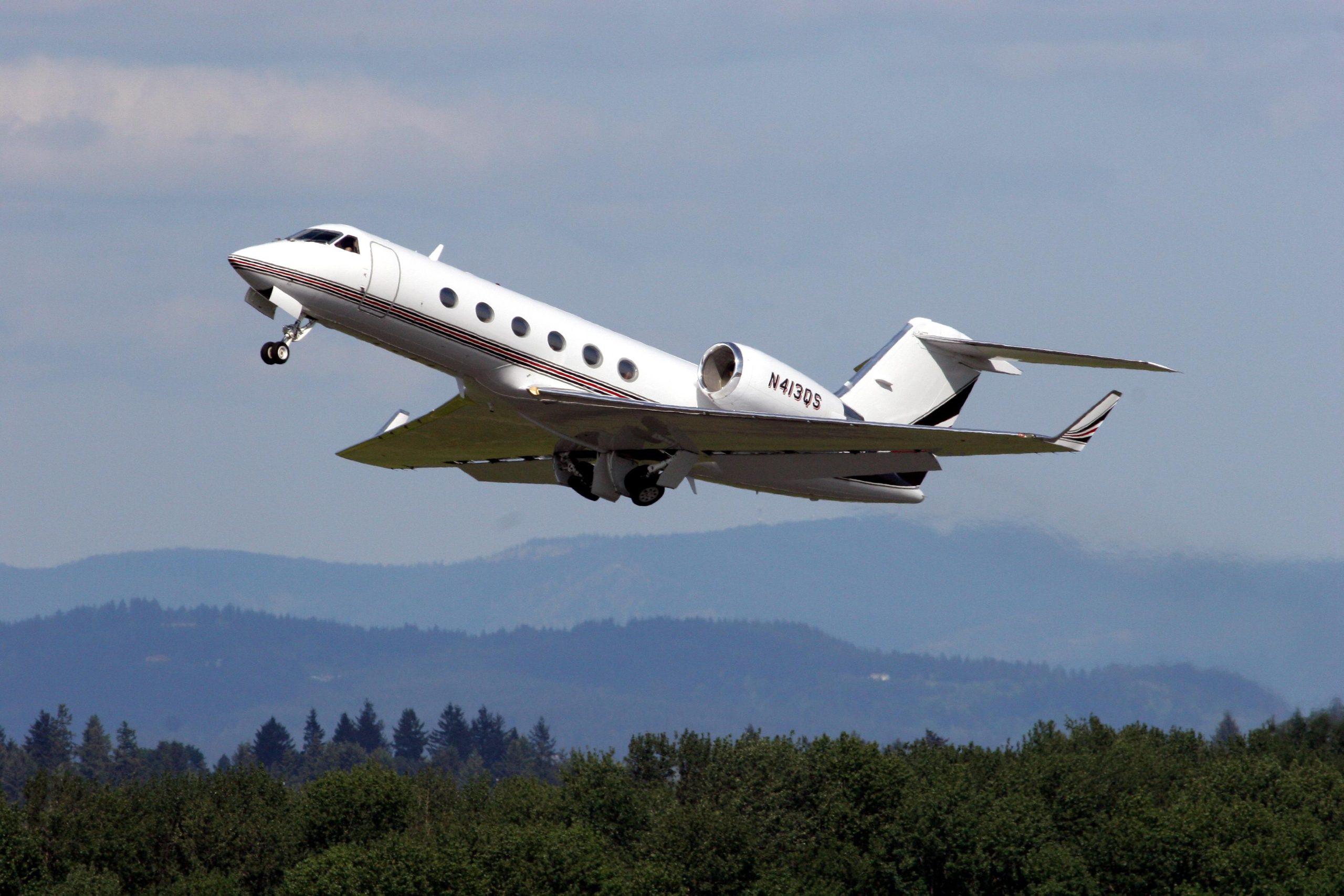
For high-net-worth individuals and business leaders, investing in a private jet is more than just a luxury, it’s a strategic asset that offers time efficiency, flexibility, and privacy. But navigating the complexities of private aviation requires more than just a desire to fly in style. From selecting the right aircraft to understanding costs, financing, resale value, and operational management, this guide will demystify private jet investment and help you make the most informed decision.
- Why Invest in a Private Jet?
A private jet isn’t just about luxury; it’s a time-saving machine that enhances business efficiency and personal convenience. But does it make financial sense?
Key Benefits of Private Jet Ownership:
- Time Efficiency: No more waiting in long security lines or dealing with flight delays.
- Flexibility & Control: Fly on your own schedule and reach remote destinations easily.
- Privacy & Security: Ideal for business executives, celebrities, and VIPs.
- Brand Image: Elevates your status in elite business circles.
- Tax Benefits & Business Use: Depending on your country, depreciation and operating costs may be tax-deductible.
However, owning a jet is also a major financial commitment. That’s why it’s crucial to analyze investment viability, operational costs, and long-term value before purchasing.
- Choosing the Right Jet: Matching Your Investment Goals
Selecting the right aircraft depends on your usage frequency, travel range, and budget.
Private Jet Categories & Their Best Use Cases:
- Very Light Jets (VLJs) – Best for short regional flights (e.g., HondaJet Elite, Eclipse 550).
- Light Jets – Ideal for corporate travel with 6-8 passengers (e.g., Learjet 75, Citation CJ3+).
- Midsize Jets – Comfortable for cross-country flights (e.g., Hawker 900XP, Citation Latitude).
- Super Midsize Jets – Great for international travel with more cabin space (e.g., Challenger 350, Gulfstream G280).
- Heavy Jets – The ultimate in luxury and long-range capability (e.g., Global 7500, Gulfstream G650ER).
New vs. Pre-Owned Jets: Which is the Better Investment?
- New Jets: Come with the latest technology but depreciate quickly.
- Pre-Owned Jets: Offer significant cost savings and slower depreciation but require a detailed pre-purchase inspection.
Pro Tip: Many buyers choose 3-5-year-old jets because they have already undergone major depreciation but still offer modern features.
- Understanding the Costs of Private Jet Ownership
Owning a jet involves more than just the purchase price. Understanding the full cost structure is essential for a wise investment.
Initial Purchase Cost:
- Light Jets: $2M – $10M
- Midsize Jets: $9M – $25M
- Heavy Jets: $30M – $75M+
Annual Operating Costs:
- Fuel: $300K – $1M+ per year
- Crew Salaries: $250K – $600K per year
- Maintenance & Repairs: $500K – $2M+ annually
- Insurance: $30K – $300K per year
- Hangar Fees: $50K – $500K per year
Total Annual Expenses:
Expect to spend $1M to $5M+ per year depending on the aircraft size and usage.
Pro Tip: To reduce costs, consider leasing the jet for charter operations when not in use.
- Financing & Leasing Options: Smart Ways to Invest
You don’t always have to pay cash upfront. Many investors leverage financing and leasing options to preserve capital.
Financing Options for Private Jets:
- Aircraft Loans: Offered by J.P. Morgan, UBS, Global Jet Capital.
- Operating Leases: Ideal for those who want jet access without full ownership responsibilities.
- Fractional Ownership: Programs like NetJets and Flexjet offer shared ownership for cost savings.
Tax & Depreciation Benefits:
- IRS Section 179 (U.S.): Allows significant tax write-offs on business-use aircraft.
- Offshore Registration: Some owners register jets in tax-friendly jurisdictions (Isle of Man, Cayman Islands).
Pro Tip: Work with an aviation tax specialist to maximize your tax savings and investment returns.
- Negotiating the Best Private Jet Deal
A well-negotiated deal can save millions. Here’s how to secure the best price:
- Hire an Experienced Broker: Aviation brokers like IADA-certified firms provide exclusive listings and market insights.
- Compare Multiple Offers: Create a competitive environment among sellers.
- Perform a Pre-Purchase Inspection: Avoid costly surprises with a detailed aircraft inspection.
- Negotiate Additional Perks: Request free maintenance, upgrades, or fuel credits as part of the deal.
Pro Tip: The best time to buy is during Q4, when sellers are motivated to close deals before year-end.
- How to Monetize Your Private Jet Investment
Many investors offset ownership costs by chartering their jets.
Private Jet Chartering: How It Works
- Sign an agreement with a charter management company (VistaJet, XO, or Wheels Up).
- Rent out your aircraft when you’re not using it.
- Earn $1,500 – $15,000 per hour, depending on the jet size.
Jet Sharing & Membership Programs
- Jet Card Programs: Charge a fixed hourly rate for access to a private jet.
- Fractional Jet Ownership: Sell shares of your jet to multiple investors.
Pro Tip: A well-managed chartering strategy can cover up to 50% of your annual jet expenses.
- Legal & Regulatory Considerations
Before buying a jet, ensure compliance with international aviation laws and tax regulations.
Key Legal Factors to Consider:
- Aircraft Registration: FAA (U.S.), EASA (Europe), and offshore options.
- Tax & Import Duties: Some countries impose VAT or sales tax on aircraft purchases.
- Aviation Compliance: Overflight permits, landing rights, and international airspace regulations.
Pro Tip: Work with an aviation attorney to navigate complex ownership structures and tax-efficient registration.
- The Future of Private Jet Investment
Emerging Trends in Private Aviation:
- Sustainable Aviation Fuel (SAF): Lower carbon footprint and fuel efficiency.
- Electric & Hydrogen Jets: Companies like Lilium and Boom Supersonic are leading innovation.
- AI & Predictive Maintenance: Enhancing aircraft safety and reducing costs.
Pro Tip: Investing in eco-friendly jets can offer long-term profitability as the industry shifts toward sustainable aviation.
Final Thoughts: Is Private Jet Investment Right for You?
A private jet is a powerful investment that provides unmatched convenience and luxury. However, the key to smart jet ownership lies in:
- Choosing the right aircraft for your needs.
- Understanding true ownership costs and tax benefits.
- Negotiating the best possible deal.
- Leveraging leasing and chartering opportunities for maximum returns.
By following this creative roadmap, you’ll be well-equipped to make a profitable and informed private jet investment.