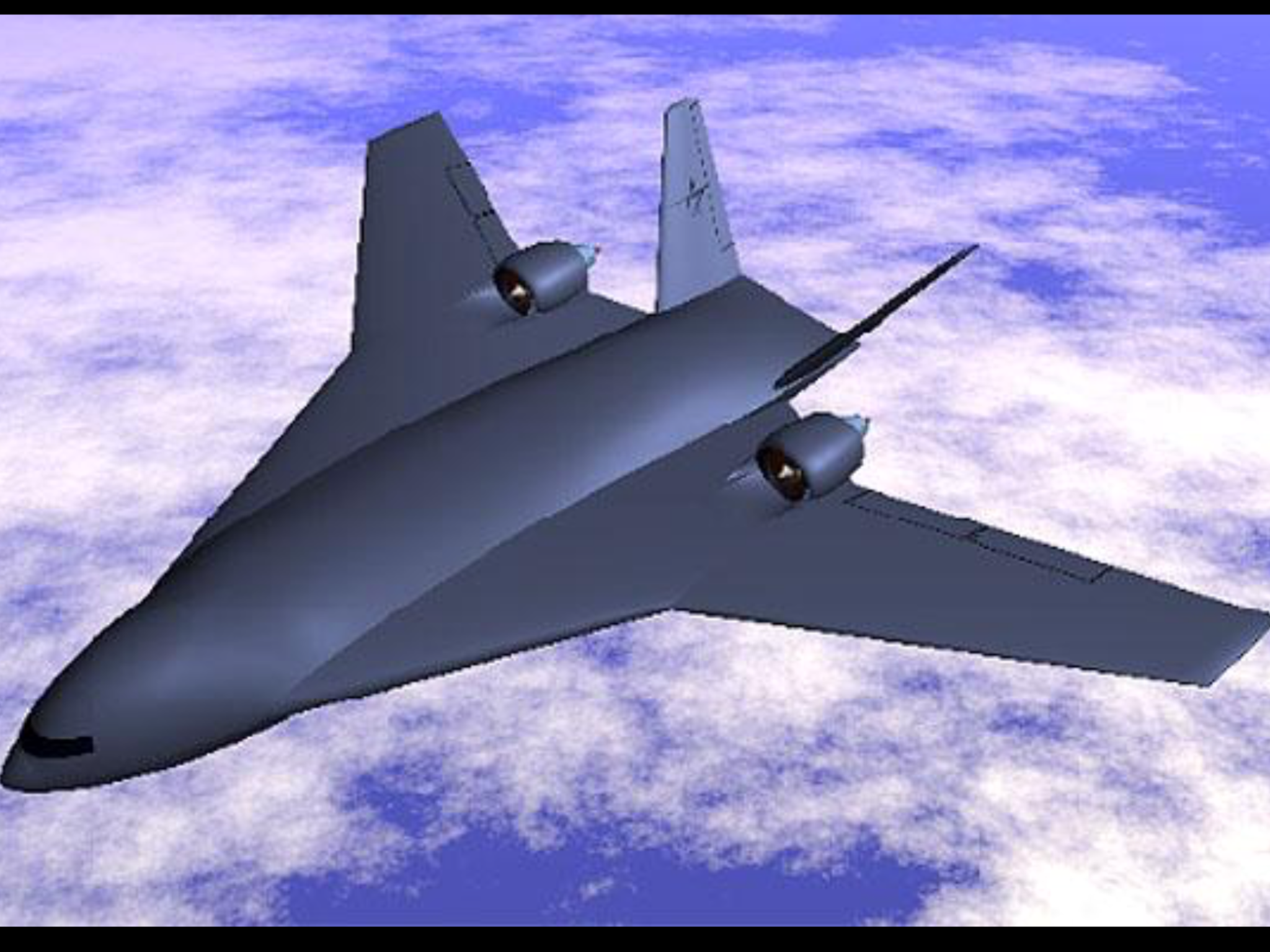
Investing in a private jet is often seen as the maximum experience of luxury and convenience, but it’s also a significant financial commitment. The ability to maximize returns on such an investment requires a combination of smart strategies, market knowledge, and creative approaches to managing the asset. Whether you’re considering a private jet as a personal luxury or as part of a business portfolio, this blueprint will guide you through the most effective ways to turn your jet purchase into a profitable asset.
While private jet ownership may seem like an inherently costly endeavor, it can yield substantial returns if approached with a strategic mindset. From smart purchasing decisions to monetizing the aircraft, there are numerous ways to ensure that your jet investment works for you. In this guide, we’ll explore creative techniques for maximizing returns and ensuring that your private jet investment delivers the highest possible value over time.
1. Understand the Financial Landscape of Private Jet Investments
Before making any investment, it’s crucial to understand the financial implications of owning a private jet. While the upfront cost is substantial, there are several factors that can affect the overall return on investment (ROI). Here’s a breakdown of key financial considerations:
Depreciation and Asset Management
Like most high-value assets, private jets typically experience depreciation over time. However, the depreciation rate can vary depending on factors like model popularity, maintenance history, and market demand. Newer jets or those from popular manufacturers may depreciate slower, while older or less in-demand models may lose value more rapidly. Understanding these dynamics will help you make an investment that holds its value better.
Ownership Costs and Cash Flow
The ongoing costs of ownership include everything from storage fees, maintenance, and insurance to crew salaries and fuel expenses. It’s important to factor in these ongoing expenses when calculating your return on investment. If you plan to use the jet for business purposes, these costs can be offset by tax deductions, creating more favorable cash flow conditions.
Jet Market Trends
The private jet market is subject to broader economic trends. Changes in global economic conditions, such as fluctuations in business travel demand or shifts in the aviation industry, can affect jet prices. Understanding these trends will help you time your purchase or sale to achieve the best possible returns.
2. Buy Smart: Creative Strategies for Maximizing Jet Value
The first step in maximizing the return on your private jet investment is purchasing the right aircraft. Buying a jet at the right price and ensuring it’s a model with strong future demand can provide significant long-term value. Here’s how to buy smart:
Focus on Popular, High-Demand Models
Some jet models hold their value better than others due to their popularity, reliability, and strong demand. For example, jets from manufacturers like Gulfstream, Bombardier, and Dassault Falcon are known for their longevity and performance. By focusing on high-demand models, you increase the likelihood of maintaining the jet’s value, making it easier to sell or trade in the future for a strong return.
Evaluate Resale Potential
Consider the resale potential of the jet before purchasing. If you plan to sell the jet after a few years, it’s important to choose an aircraft that will retain its market appeal. Some jets may have more specialized features that make them harder to sell, so opting for more universally desirable features (such as luxury interiors or extended range capabilities) will ensure you have a broader pool of buyers when it’s time to sell.
Buy Pre-Owned for Better Value
Pre-owned jets can offer incredible value, as they typically cost significantly less than new aircraft. If you purchase a well-maintained, pre-owned jet that has been taken care of by its previous owner, you can avoid the immediate depreciation that occurs when you buy a new aircraft. With the right approach, you can find a pre-owned jet in great condition that provides long-term value.
Consider Shared Ownership or Fractional Jets
If you don’t want to shoulder the entire cost of ownership but still want to enjoy the benefits of private aviation, fractional ownership or shared ownership programs can be excellent options. These programs allow you to purchase a share of an aircraft and have access to its use without the full burden of maintenance and operational costs. This creative approach allows you to enjoy the advantages of jet ownership while sharing the costs with others, ultimately improving your ROI.
3. Leverage Revenue-Generating Opportunities
One of the most effective ways to maximize the return on a private jet is by monetizing the aircraft. There are several ways to generate revenue from a private jet, turning it from a passive asset into an income-generating tool.
Charter Your Jet
If your jet is not being used full-time, consider entering it into a charter program. Many private jet owners choose to charter their jets to other companies or individuals when they are not using them. This can generate substantial revenue, especially if you have a popular model in high demand. Depending on your jet’s size and amenities, you could earn tens of thousands of dollars in revenue per month, especially during peak seasons.
Rent Out Your Jet on a Per-Hour Basis
Another revenue-generating strategy is renting your jet on a per-hour basis through online platforms or through a management company. This is ideal for owners who don’t need to use their aircraft frequently but still want to take advantage of the idle time to make a profit. Renting your jet to other businesses or individuals on an hourly basis can provide a consistent income stream while still allowing you to maintain ownership.
Leverage the Corporate Jet Market
If your jet is well-equipped and spacious, it can also be used for corporate purposes. Many companies lease or charter jets for executive travel, especially when they need to transport executives or high-profile clients quickly and efficiently. Offering your jet to corporate clients looking for exclusive travel experiences could yield high returns, particularly if your aircraft meets the needs of business executives seeking comfort and privacy.
4. Consider Tax Benefits and Write-Offs
In addition to the direct returns generated from monetization, private jet ownership can offer substantial tax benefits. When structured correctly, you can leverage these benefits to reduce overall ownership costs and increase the financial viability of your investment. Here’s how:
Business Use Tax Deductions
If you use the jet for business purposes, you may be eligible for tax deductions on expenses such as fuel, maintenance, storage, and insurance. The IRS allows for deductions based on the portion of the jet’s use that is business-related. To maximize these benefits, keep detailed records of the aircraft’s use and work with a tax professional who specializes in aviation tax law.
Depreciation Benefits
Depreciation is another significant tax advantage for private jet owners. Over time, the value of the jet can be written off through depreciation, reducing your overall taxable income. While the rate of depreciation may vary depending on the jet’s age and use, this can create long-term savings and increase your overall ROI.
Lease and Financing Deductions
If you choose to finance or lease your private jet, you may be able to deduct interest payments, lease payments, or financing fees. These deductions can significantly reduce your tax burden and improve the overall financial performance of your jet investment.
5. Maximize the Value with Proper Maintenance and Upgrades
To ensure that your private jet remains a valuable asset, it’s essential to keep it in top condition. Proper maintenance, upgrades, and regular inspections not only ensure safety and reliability but also help maintain or increase the aircraft’s market value.
Routine Maintenance
Regularly scheduled maintenance and inspections are essential to ensure that the jet operates smoothly and remains in compliance with safety standards. Keeping a well-documented maintenance record can enhance the jet’s resale value and make it more attractive to potential buyers or charter clients.
Upgrade the Interior
The interior of a private jet plays a significant role in its market appeal. Upgrading to luxury materials, adding state-of-the-art technology, or customizing seating and amenities can increase both the enjoyment and the value of the jet. Buyers and charter clients are often willing to pay a premium for jets that offer a superior passenger experience, so investing in upgrades can pay off in the long run.
Stay on Top of Market Trends
The aviation industry is constantly evolving, and staying informed about new technologies, luxury features, and market preferences can help you make upgrades that keep your jet relevant in a competitive market. For example, the demand for eco-friendly jets or those equipped with the latest aviation technology is increasing, and incorporating these features can increase the resale value of your aircraft.
Conclusion
Maximizing the returns on a private jet investment requires careful planning, market awareness, and creative approaches. By focusing on key strategies such as smart purchasing decisions, monetizing the jet, and leveraging tax benefits, you can significantly increase the financial returns on your aircraft. Additionally, keeping your jet well-maintained and upgrading its features will ensure it remains a valuable asset over time.
With the right approach, your private jet can become more than just a luxury, it can be a profitable investment that delivers substantial returns while providing you with unparalleled convenience and comfort. By following this creative blueprint, you’ll be on your way to mastering the art of private jet investments and securing maximum value from your purchase.