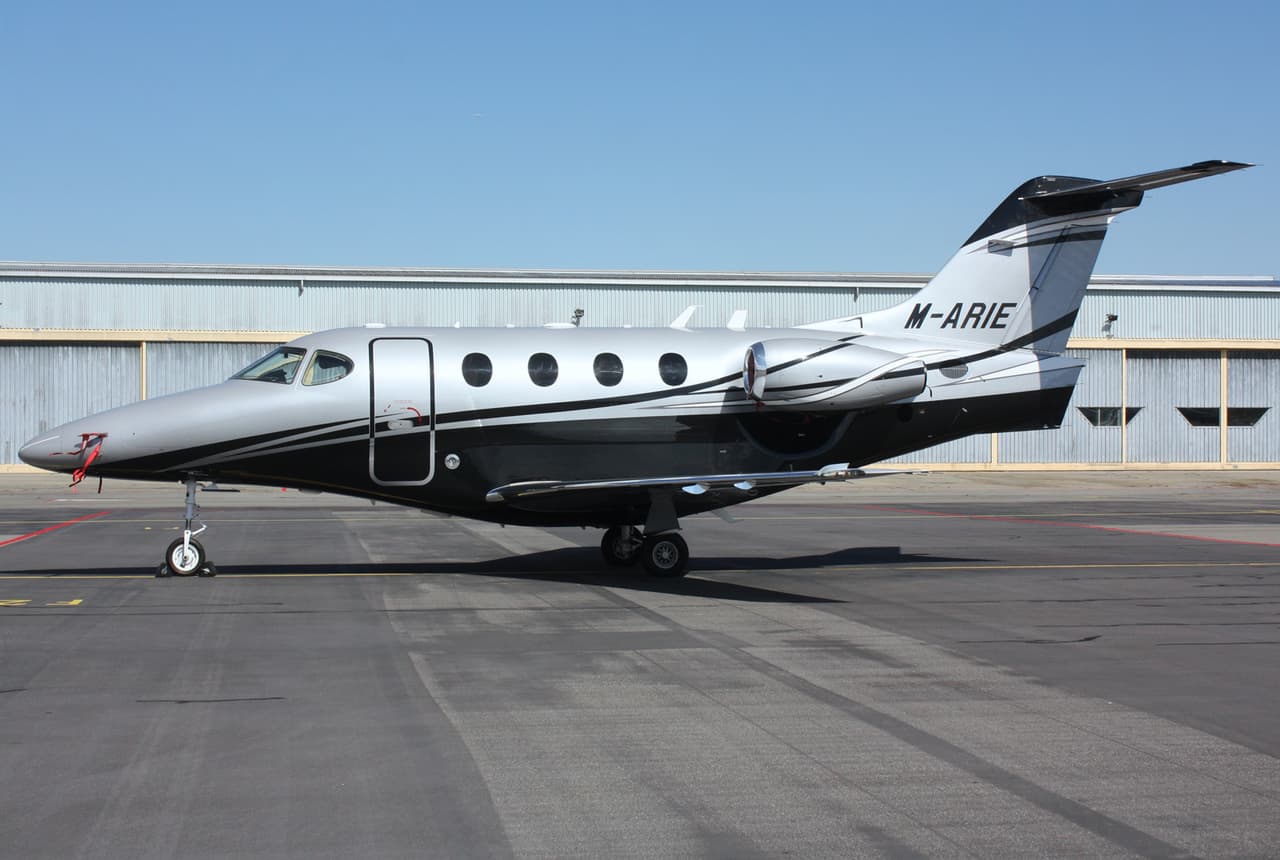
Owning a private jet is more than just a luxury; it’s a significant financial and legal commitment. While the ability to travel freely and in comfort is undoubtedly appealing, it is crucial for private jet owners to understand the complex tax liabilities that come with this form of ownership. From tax deductions to property taxes, the legal landscape surrounding private jet ownership requires careful consideration to ensure compliance and optimize financial strategies.
This comprehensive legal analysis will explore how tax liabilities are structured for private jet owners, what obligations they must fulfill, and how they can manage their tax burden effectively while staying compliant with both domestic and international laws. Whether you’re a corporate executive, a high-net-worth individual, or a business owner, understanding the intricacies of private jet taxation is essential to managing both the operational and financial aspects of your aircraft.
- The Tax Framework for Private Jet Owners
At the core of private jet ownership lies a complex tax framework designed to govern various aspects of the aircraft’s use, from purchase and maintenance to travel and deductions. Understanding the key taxes associated with private jet ownership is the first step in managing the legal landscape effectively.
- Sales and Use Tax
One of the first and most significant tax liabilities when purchasing a private jet is the sales tax. Sales tax is levied by many states in the U.S. based on the purchase price of the jet. However, the rules vary significantly by state, and certain states offer exemptions or lower rates for specific types of aircraft ownership, especially those used for business purposes.
For example, states like Delaware and Nevada do not impose sales tax on aircraft purchases, making them attractive jurisdictions for jet owners. However, even in states that impose sales tax, there may be exemptions or reductions for business use. For instance, if the aircraft is primarily used for business purposes (e.g., transporting employees or conducting business-related travel), the owner may qualify for an exemption or a reduced tax rate.
- Property Tax
Once the aircraft is purchased, property tax becomes another ongoing liability. Many states and localities impose an annual property tax on aircraft based on their value. This tax can vary widely depending on the location of the aircraft’s registration and where it is primarily stored or operated.
The tax rate can be a percentage of the aircraft’s assessed value, and the rules for assessment differ significantly by jurisdiction. For example, in states like Texas and Florida, property tax is assessed annually, while other states may offer tax exemptions for certain uses or allow owners to reduce the taxable value of their aircraft through depreciation.
- Aircraft Use Tax
In addition to property tax, there may be an aircraft use tax that applies when the jet is used in specific jurisdictions. This tax is typically assessed based on the distance traveled or the fuel consumed while flying within the state or country. For example, certain states or countries may impose a use tax when an aircraft is used for business purposes or when it travels between certain airports.
- Income Tax Implications for Business Use
For owners using their private jets for business purposes, income tax considerations are a key area to address. When a jet is used for business, the IRS allows owners to claim various tax deductions related to the aircraft’s operating costs, including maintenance, fuel, and even the cost of the jet itself through depreciation.
Moreover, if the jet is used for charter services or other income-generating activities, the owner may be required to report the revenue generated from these activities on their tax returns. This income is subject to federal and potentially state income taxes. The deductions for business use of the jet can help offset some of the income, but it’s important for owners to accurately track both business and personal usage to ensure proper reporting.
- Depreciation and Deductions for Private Jets
Private jets, as significant capital assets, can be subject to depreciation, which is one of the primary tax advantages available to owners. Depreciation allows the owner to deduct a portion of the aircraft’s value over several years, thus reducing taxable income and lowering overall tax liability.
- Section 179 Deductions
One of the key provisions for private jet owners is the Section 179 deduction, which allows the owner to deduct the cost of the aircraft in the first year of ownership, provided certain conditions are met. This immediate deduction is available to aircraft used more than 50% for business purposes and generally applies to jets that meet specific weight requirements.
Section 179 deductions can allow for a substantial reduction in tax liability, particularly in the first year of ownership. However, this deduction is limited to a certain amount and may be subject to phase-out thresholds, so owners should consult with tax professionals to ensure compliance and maximize their benefits.
- Bonus Depreciation
In addition to Section 179, there is also bonus depreciation, which was introduced as part of the Tax Cuts and Jobs Act of 2017. Bonus depreciation allows for a 100% deduction in the first year of ownership for new and used aircraft, provided they are used more than 50% for business purposes.
The benefit of bonus depreciation is that it allows private jet owners to deduct the entire purchase price of the aircraft in the first year, drastically reducing taxable income and providing significant savings. Bonus depreciation applies to both new and used jets, but owners must ensure that they meet the business-use requirements to qualify.
- Managing Tax Liabilities with Proper Planning
Given the complexities of private jet taxation, proper tax planning is crucial for minimizing liabilities and ensuring compliance with applicable laws. Here are several strategies that owners can implement to manage their tax obligations:
- Use of LLCs and Trusts for Aircraft Ownership
One of the most effective ways to manage tax liability and protect assets is to structure ownership through Limited Liability Companies (LLCs) or Trusts. An LLC can be used to own the aircraft, and this structure allows for various tax benefits, including liability protection and the ability to offset income with deductions related to aircraft usage.
LLCs also offer greater flexibility in terms of deducting operating costs and generating income through leasing arrangements. Trusts, on the other hand, provide significant estate planning benefits and can help reduce estate taxes when the aircraft is passed on to heirs.
- Strategic Business Use
Another effective strategy is to ensure that the jet is primarily used for business purposes, as this allows owners to take advantage of tax deductions related to depreciation, fuel, and maintenance. The more business use a jet has, the greater the ability to deduct expenses and reduce taxable income.
For business owners or executives, ensuring that the jet is used to transport employees or conduct business meetings in different locations can qualify the jet for additional deductions, including operational costs like flight crew salaries, insurance, and hangar fees.
- Working with Tax Professionals
Given the complexity of the legal and financial landscape surrounding private jet ownership, it is essential for owners to work with tax professionals who specialize in aviation law. Tax advisors can provide expert guidance on the most effective strategies for minimizing tax liabilities, structuring ownership arrangements, and staying compliant with ever-changing regulations.
By working with tax professionals, private jet owners can ensure that they are maximizing available deductions, avoiding costly mistakes, and ultimately optimizing their tax position.
- International Tax Considerations for Private Jet Owners
If a private jet owner is flying internationally or purchasing an aircraft abroad, they must also be aware of international tax obligations. These include:
- Value Added Tax (VAT): In many countries, aircraft purchases are subject to VAT, and the tax rate can vary significantly by country. Depending on the jurisdiction, owners may be able to claim refunds on VAT paid if the aircraft is primarily used for business purposes.
- International Operating Taxes: When flying internationally, owners may be subject to operating taxes in foreign countries. These taxes can include landing fees, overflight charges, and other taxes related to the use of the aircraft in international airspace.
It is essential to plan for these taxes and ensure that the proper documentation is in place to comply with both domestic and international tax laws.
Conclusion
Private jet ownership comes with numerous tax liabilities, but with proper planning, these costs can be minimized through various deductions, credits, and strategic planning. Whether through depreciation, sales tax exemptions, or working with legal entities such as LLCs and trusts, private jet owners have many opportunities to optimize their tax positions. Understanding the full scope of tax liabilities, both domestic and international, is crucial to managing aircraft ownership effectively and ensuring long-term financial benefits.
Given the complexities involved, it’s vital to consult with legal and tax professionals who specialize in aviation to ensure compliance and to make the most of the available incentives. With the right strategies in place, owning a private jet can remain a smart and financially viable decision.