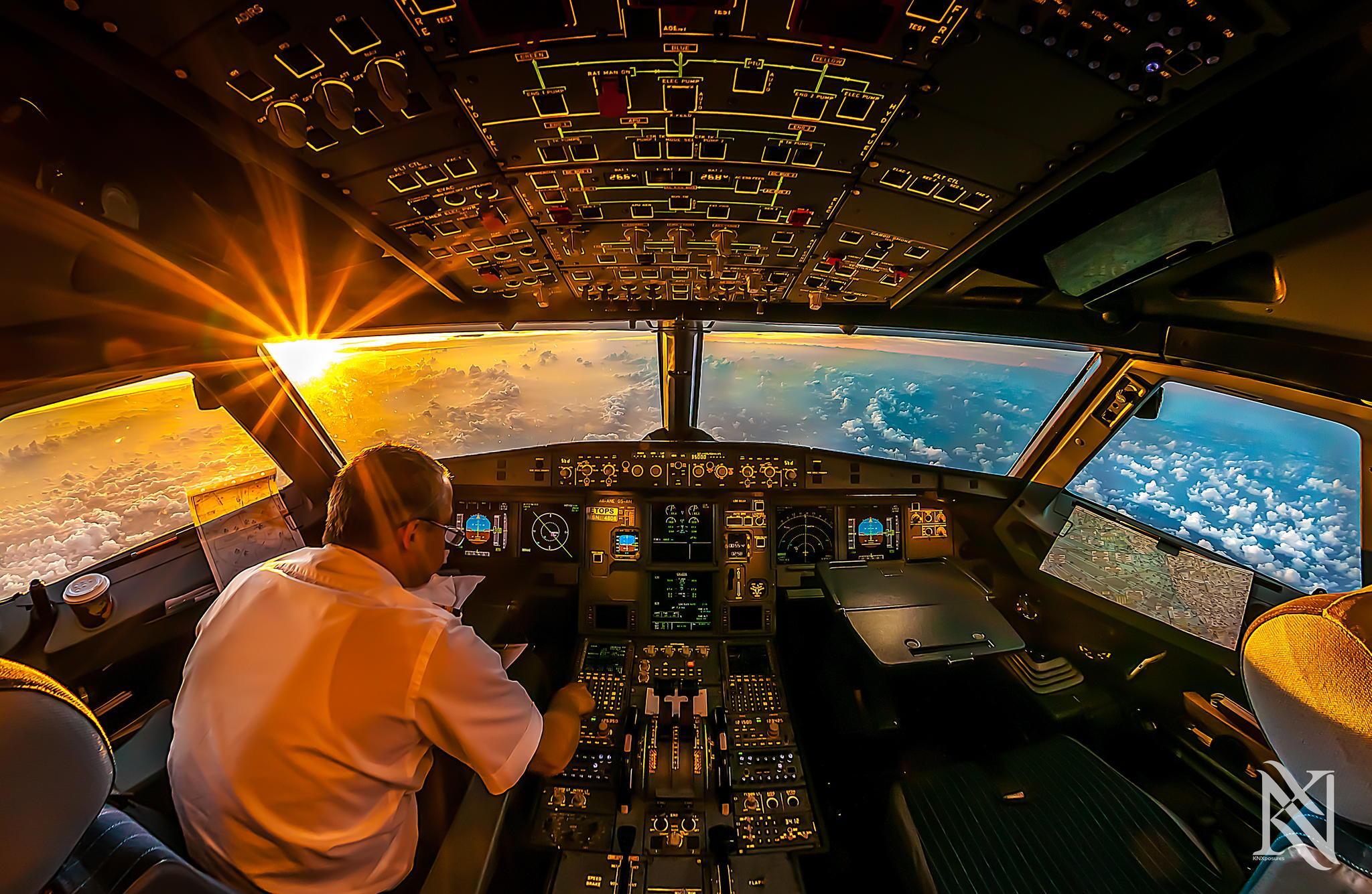
Flying aboard a private jet is the summery of luxury, comfort, and convenience. Unlike commercial flights, where passengers must deal with crowded airports, rigid schedules, and the stresses of security checks, private jet travel offers a more personalized, efficient, and relaxed flying experience. However, one aspect that often goes unnoticed by passengers is the meticulous work that goes into ensuring these flights are as smooth as possible. The role of private jet pilots is crucial in creating this seamless experience. Their expert skills, knowledge, and techniques contribute significantly to making flights as comfortable and efficient as possible.
In this article, we’ll uncover the secrets that private jet pilots use to ensure smooth flights, including how they manage turbulence, optimize fuel efficiency, avoid weather disruptions, and create the ideal environment for a stress-free journey. By understanding the behind-the-scenes practices that contribute to smooth flights, you’ll appreciate the finer details of private jet travel even more. Let’s explore these invaluable tips and tricks used by private jet pilots to make every journey as enjoyable as possible.
The Importance of Pre-Flight Planning
One of the key factors that contribute to a smooth flight is pre-flight planning. Pilots don’t simply show up to the aircraft and take off, they spend considerable time preparing for every aspect of the flight to ensure a seamless experience. Pre-flight planning includes:
1. Thorough Weather Analysis
Before taking off, pilots gather detailed weather information about the route they will be flying. This includes checking for:
- Turbulence: Pilots will analyze reports on expected turbulence in the airspace they will be flying through. By identifying areas of turbulence ahead of time, they can adjust their flight path to avoid it or prepare for it by adjusting the altitude to minimize its effects.
- Thunderstorms and Severe Weather: Pilots use weather radar and satellite data to monitor for storms, cloud cover, and areas of heavy precipitation. Avoiding these weather conditions is essential for maintaining a smooth flight, so pilots will take the necessary steps to fly around them if needed.
- Wind Patterns: Wind speed and direction play a significant role in flight smoothness. Pilots will adjust the aircraft’s altitude or route based on forecasted wind conditions to avoid strong crosswinds, jet streams, or gusts that could lead to uncomfortable bumps.
2. Route Optimization
With a private jet, pilots can tailor flight routes to maximize comfort. By adjusting the flight plan to avoid busy air corridors, congested air traffic, or areas prone to turbulence, they ensure that the flight is as smooth and efficient as possible.
Pilots also factor in air traffic control (ATC) instructions, but they have more flexibility than commercial pilots, allowing them to adjust their route based on real-time conditions. They can communicate directly with ATC to request changes that optimize the flight path for smoother conditions.
Managing Turbulence: Pilot Strategies for a Smooth Ride
Turbulence is an inevitable part of flying, but it doesn’t have to ruin your experience. In fact, private jet pilots have several techniques to manage and minimize turbulence, making the ride as smooth as possible.
1. Flying Above the Weather
Private jet pilots often have the advantage of flying at higher altitudes compared to commercial flights. Most commercial airlines cruise at altitudes between 30,000 and 40,000 feet, while many private jets can fly as high as 45,000 feet or more. The higher you fly, the less likely you are to encounter turbulence, as much of the disruptive weather happens at lower altitudes.
By flying at these elevated altitudes, pilots can avoid turbulent air currents that typically occur in the lower atmosphere. This strategy reduces the likelihood of encountering uncomfortable bumps during the flight.
2. Adjusting Speed and Altitude
In some cases, pilots may choose to adjust the speed or altitude of the jet to minimize the effects of turbulence. When approaching an area of rough air, the pilot may request a higher or lower altitude from air traffic control to find smoother conditions. Sometimes, reducing the speed slightly can also reduce the severity of turbulence, as slower speeds allow the aircraft to pass through turbulent air more gently.
3. Using Onboard Technology
Modern private jets are equipped with advanced avionics and technology that assist pilots in detecting and avoiding turbulence. Systems like weather radar, turbulence prediction systems, and real-time satellite communications help pilots predict areas of rough air and make adjustments as needed. These tools enhance the pilot’s ability to navigate around turbulence or adjust the flight for a more comfortable ride.
In-Flight Techniques for a Seamless Journey
Once in the air, pilots continue to use their skills to keep the flight smooth and efficient. They do this through several in-flight strategies, ranging from managing cabin pressure to adjusting for wind changes.
1. Managing Cabin Pressure for Comfort
A smooth flight isn’t just about avoiding turbulence, it’s also about ensuring passenger comfort in other ways. One critical aspect of this is maintaining an optimal cabin pressure. Private jet pilots use pressurization systems to ensure the cabin stays at a comfortable altitude equivalent to somewhere between 6,000 and 8,000 feet, regardless of the altitude the jet is actually flying at. This minimizes discomfort caused by rapid altitude changes and ensures that passengers feel relaxed throughout the journey.
Additionally, pilots monitor cabin temperature and humidity, adjusting the controls to maintain a pleasant environment. By keeping the cabin temperature in a comfortable range, pilots can ensure that passengers feel at ease during the entire flight.
2. Smooth Turns and Maneuvers
During flight, pilots perform turns, climbs, descents, and other maneuvers that can impact the smoothness of the ride. Skilled pilots will make sure to perform gentle turns and smooth climbs to avoid abrupt movements that could cause discomfort. For instance, when making a turn, pilots will typically perform a shallow bank angle to ensure the aircraft doesn’t experience sharp movements.
The pilot’s ability to anticipate the aircraft’s response to maneuvers also contributes to a smoother flight. By gradually adjusting to changes in the aircraft’s behavior, pilots can avoid jerky movements that might disturb passengers.
3. Monitoring Fuel and Weight Distribution
The weight and balance of a jet are important factors that influence its stability and smoothness in flight. Pilots ensure that the aircraft is properly balanced and that the fuel load is distributed evenly, as an uneven load can affect the aircraft’s handling and cause discomfort during flight.
By monitoring the aircraft’s center of gravity and fuel consumption, pilots make sure that the aircraft remains stable throughout the journey, providing passengers with a smooth and pleasant ride.
Landing Smoothly: Pilots’ Techniques for a Graceful Arrival
Just as pilots work to ensure a smooth flight in the air, they also focus on smooth landings. A rough landing can be jarring for passengers, so private jet pilots employ specific techniques to ensure that the approach and landing are as gentle as possible.
1. Choosing the Best Landing Runway
Before approaching the destination, pilots evaluate available runways to choose the one that provides the smoothest landing conditions. Factors such as runway length, surface conditions, and wind direction are considered. Pilots will select the runway that allows for the best approach, ensuring a gentle descent without the need for sudden maneuvers.
2. Gradual Descent and Final Approach
Private jet pilots use gradual descents when approaching their destination. Instead of steep, sudden descents, pilots prefer to ease the aircraft down to avoid sharp altitude changes that can cause discomfort. By adjusting the descent rate, pilots ensure that the landing approach is smooth and controlled.
Additionally, pilots will adjust the throttle and speed during the final approach to ensure that the aircraft is not descending too quickly or too slowly, both of which could lead to a rough landing.
3. Perfecting the Touchdown
The final stage of a smooth flight is the landing. Skilled private jet pilots use precise control during the final moments before touchdown. By gently lowering the nose and reducing the throttle at the right moment, pilots ensure that the aircraft touches down softly and smoothly. This delicate maneuver prevents any bouncing or harsh jolts, providing passengers with the most comfortable landing experience.
The Role of Technology in Ensuring Smooth Flights
In addition to their expertise, private jet pilots rely on cutting-edge technology to help ensure smooth flights. These technologies enhance the pilot’s ability to predict and avoid turbulence, monitor flight conditions in real-time, and make adjustments on the fly to optimize passenger comfort.
Some of the key technologies include:
- Advanced Avionics Systems: These systems provide real-time data on weather, turbulence, and air traffic, allowing pilots to make data-driven decisions to avoid rough patches and optimize the flight experience.
- Weather Radar and Satellite Communications: These tools allow pilots to detect storms, turbulence, and other weather conditions well in advance, giving them time to adjust the flight path or altitude as needed.
- Flight Management Systems (FMS): The FMS helps pilots optimize fuel efficiency, route selection, and speed, ensuring the most efficient and comfortable flight possible.
Conclusion
The secrets behind a smooth flight on a private jet go far beyond the plush seating and fine dining that passengers experience. From meticulous pre-flight planning to in-flight strategies and advanced technologies, private jet pilots use their skills and expertise to ensure a comfortable, efficient, and seamless journey.
Through techniques like avoiding turbulence, optimizing cabin pressure, and choosing the best landing approach, private jet pilots create the ideal flying experience for their passengers. By understanding the behind-the-scenes efforts that go into every smooth flight, travelers can appreciate the complexity and skill involved in making their journeys as comfortable as possible.
Next time you board a private jet, take a moment to consider the skillful work of the pilot and the advanced technology that makes your flight a luxurious and smooth experience from takeoff to landing.