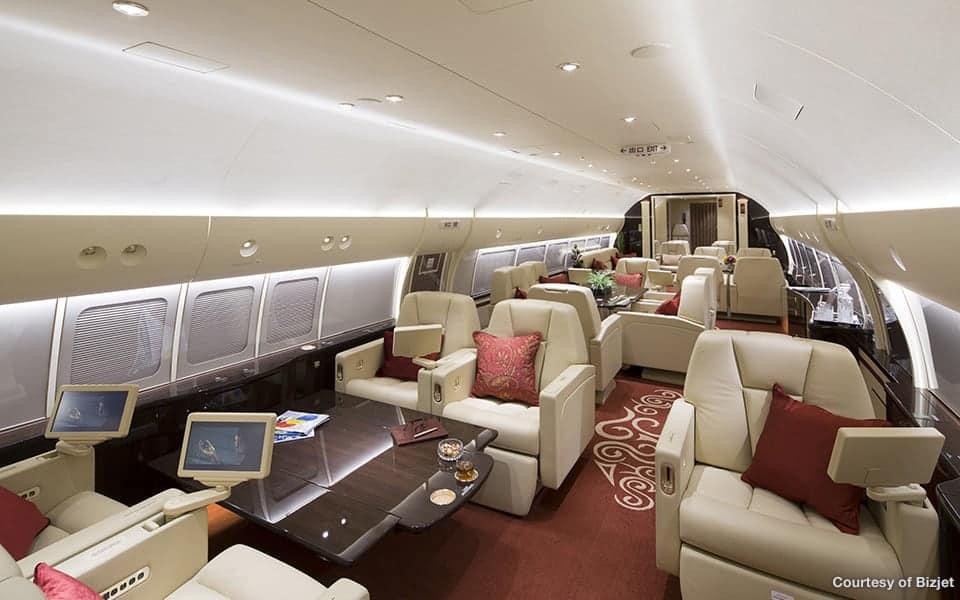
Purchasing a private jet is an exciting, yet intricate process. It’s not just about buying an aircraft; it’s about making a significant investment that can provide exceptional benefits for both personal and business needs. Whether you’re a seasoned traveler or a business mogul looking for efficiency and luxury, owning a private jet can transform your flying experience. But how do you maximize your investment in such a high-stakes, high-reward purchase?
In this guide, we’ll share the pro tips that can help you make the smartest decisions when purchasing a private jet. From evaluating the right jet for your needs to understanding the financial implications and ensuring your jet retains its value, this guide will walk you through the entire process with insider knowledge and creative solutions to make the most of your private jet purchase.
- Assess Your Jet Ownership Needs with Precision
Before diving into the private jet marketplace, it’s crucial to clarify your ownership needs. This will not only determine the type of jet that’s right for you but also help you make a decision that provides value in the long term. One of the most common mistakes people make is jumping into a purchase without properly assessing what they need.
Start by defining your flying habits:
- How often do you fly? If you’re a frequent business traveler, a long-range jet might be your best option. For leisure and short trips, a light jet could suffice.
- Who will you be flying with? The number of passengers you typically carry can impact your jet selection. A jet with a larger seating capacity might be necessary for group travel, while solo or small group trips may call for a smaller aircraft.
- What are your travel routes? A jet with a longer range allows you to fly internationally, whereas regional trips may be well-served by jets with a more modest range.
Understanding your needs will ensure that you purchase a jet that enhances your experience and meets your travel requirements without overspending on unnecessary features.
- Select a Jet with Optimal Resale Value
One of the most important aspects of purchasing a private jet is its resale value. Just like any high-value asset, the depreciation of a private jet is inevitable. However, you can maximize your investment by selecting a jet that holds its value well over time.
Several factors can influence the resale value of your private jet, including:
- Brand reputation: Renowned manufacturers like Gulfstream, Bombardier, and Dassault Falcon are known for producing jets with high resale value. Choosing an aircraft from a reputable manufacturer ensures better longevity and demand when it comes time to sell.
- Model popularity: Certain models tend to retain value better than others. For example, the Gulfstream G650ER and Bombardier Global 7500 are often in high demand due to their performance and luxury features.
- Condition and maintenance: A well-maintained jet will likely hold its value better. Ensure the aircraft undergoes regular inspections, maintenance, and repairs to avoid depreciation due to wear and tear.
By choosing a jet that holds its value, you can maximize the return on investment if you decide to sell or trade the aircraft in the future.
- Consider Fractional Ownership or Leasing
For many potential private jet owners, the upfront costs of full ownership can be prohibitive. Fractional ownership and leasing options allow you to enjoy the benefits of private jet travel without the financial commitment that comes with owning an entire aircraft.
Fractional Ownership: This model allows you to purchase a share in a jet, which entitles you to a certain number of flight hours per year. Fractional ownership typically works best for those who need a private jet for frequent, yet not constant, use. Companies like NetJets offer fractional ownership programs that give you access to a wide range of aircraft options.
Leasing: If you don’t want to commit to ownership, leasing can be an ideal alternative. With leasing, you can rent a private jet for a specified period or number of hours. Leasing is especially advantageous for those who only need a jet for seasonal or occasional use.
Both fractional ownership and leasing can be financially beneficial if your flying patterns don’t justify the expense of full ownership. This model allows you to enjoy the perks of private aviation without the long-term financial burden.
- Explore Financing Options with a Tailored Approach
Unlike purchasing a luxury car or home, financing a private jet can be complex and requires careful planning. However, the right financing strategy can ensure that you make an informed decision and secure a deal that suits your financial situation.
Consider these financing options:
- Jet Loan: Traditional loans from aviation-specific lenders allow you to finance your jet purchase. These loans typically require a substantial down payment (usually 10%-30% of the jet’s value) and come with fixed or variable interest rates.
- Leasing: If full ownership isn’t a priority, leasing allows you to rent the aircraft with an option to purchase at the end of the term. Leasing can be an attractive option for those looking for more flexibility in their payments and terms.
- Corporate Financing: For business owners, financing the jet through the company may allow you to capitalize on tax benefits, such as deducting operational costs and expenses. Consult with a tax advisor to determine if this is a viable option for your business.
It’s important to work with an aviation finance expert who can help you navigate the best financing structure for your budget and needs. A tailored approach can ensure that you are not overextending yourself while still enjoying the advantages of private jet ownership.
- Understand the Total Cost of Ownership Beyond the Purchase Price
When budgeting for a private jet, it’s essential to recognize that the purchase price is just the beginning. The total cost of ownership includes a variety of ongoing expenses, such as maintenance, staffing, insurance, and fuel.
Be sure to budget for the following operating costs:
- Maintenance and Repairs: Jets require regular maintenance and periodic repairs to ensure they remain airworthy. This can include routine inspections, engine overhauls, and interior refurbishment.
- Crew Salaries: If you choose to hire a pilot and crew, salaries and benefits will add to your operating expenses. Hiring highly qualified staff ensures the safety and comfort of your flights.
- Fuel and Hangar Costs: Jet fuel prices can fluctuate based on market conditions, but fuel costs are typically one of the highest ongoing expenses. Additionally, you’ll need to account for hangar space, where the jet will be stored when not in use.
- Insurance: Comprehensive jet insurance is a must. Costs vary based on the jet’s value, usage, and operational risks, but it’s essential to have proper coverage for damages, liabilities, and third-party accidents.
Understanding these costs will help you better plan your financial commitments and ensure you can maintain the jet in top condition throughout its lifecycle.
- Work with an Experienced Aviation Consultant
Navigating the private jet market can be overwhelming due to the sheer volume of options, regulations, and potential pitfalls. That’s why it’s essential to work with an aviation consultant who specializes in jet purchases. These experts bring valuable knowledge of the aviation industry and can help you make the right decisions every step of the way.
An aviation consultant can assist with:
- Jet Selection: They can help you choose the jet that fits your needs, budget, and lifestyle, taking into account all factors such as size, range, and amenities.
- Due Diligence and Inspections: Consultants can coordinate with experienced inspectors to ensure the jet you are purchasing is in top condition and has a solid history.
- Legal and Regulatory Issues: Purchasing a jet involves a significant amount of paperwork, including contracts, registrations, and compliance with aviation regulations. A consultant can guide you through this process and ensure all legalities are in order.
Having an expert by your side can make the entire process smoother, more efficient, and less stressful. They will help you avoid common mistakes and ensure your jet purchase is a sound investment.
- Maximize Your Jet’s Value with Proper Maintenance and Upgrades
Once you’ve made the purchase, maintaining your private jet’s value is key to maximizing your return on investment. Regular maintenance not only keeps the jet operational but also ensures that it retains its value over time.
Consider these value-maximizing tips:
- Keep the Aircraft in Top Condition: Regularly service your jet, perform necessary repairs, and upgrade interiors to maintain its aesthetic appeal. An updated interior can also enhance resale value.
- Adopt Sustainable Practices: As more buyers look for eco-friendly options, adopting sustainable aviation practices can increase the appeal of your jet. This includes choosing sustainable aviation fuel (SAF) and installing energy-efficient technologies.
- Track Depreciation: Keep track of the depreciation schedule and monitor the market to decide when to sell or upgrade your jet.
By focusing on preventative maintenance and staying ahead of the curve with potential upgrades, you can ensure your jet remains valuable and functional for many years to come.
- Conclusion: The Smart Approach to Private Jet Ownership
Purchasing a private jet is a multi-faceted investment that requires thoughtful planning, research, and expert guidance. By considering your specific needs, understanding the full costs involved, and working with the right professionals, you can make a smart decision that maximizes your investment and elevates your lifestyle.
With these pro tips in mind, you’ll be well on your way to enjoying the luxury and convenience of private jet ownership, knowing that you’ve made a sound, informed decision that will pay dividends for years to come.