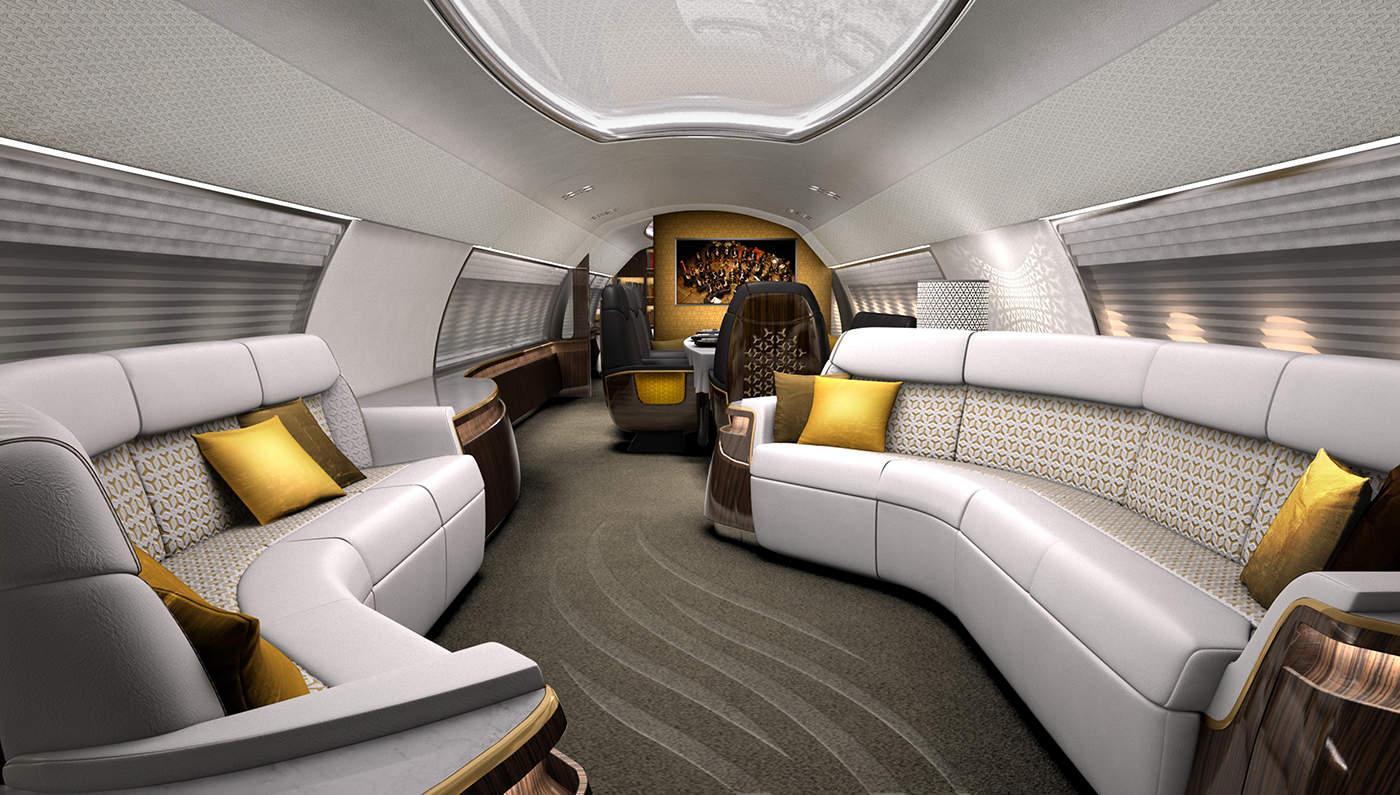
As we approach 2025, the private jet industry in Germany is poised for significant transformations. With the country being a key player in the European and global economy, private aviation has become more than just a luxury, it has evolved into an essential business tool for executives, entrepreneurs, and high-net-worth individuals. The dynamics of private jet travel are shifting rapidly, driven by advancements in technology, growing environmental concerns, and changing consumer expectations. In this article, we will explore the key private jet trends in Germany for 2025, analyzing how these developments will reshape the landscape of private aviation in the coming years.
- The Rise of Sustainable Aviation
One of the most significant trends in private jet travel in Germany for 2025 is the growing emphasis on sustainability. As climate change becomes an increasingly urgent issue, private jet operators, manufacturers, and passengers are becoming more conscious of their environmental impact. In Germany, where environmental policies are particularly stringent and sustainability is a top priority, this trend is expected to gain even more traction.
Sustainable aviation fuel (SAF) is set to play a pivotal role in reducing the carbon footprint of private jets. SAF is produced from renewable resources such as waste oils, algae, and biomass, and it can significantly lower greenhouse gas emissions when compared to conventional jet fuel. As of 2025, private jet companies in Germany are expected to increase their use of SAF, with more airports offering this eco-friendly fuel option.
In addition to SAF, the development of electric and hybrid-electric aircraft is expected to make waves in the private aviation sector. While fully electric jets are still in the early stages of development, hybrid-electric aircraft are already being tested, and they hold promise for reducing emissions and noise pollution. In 2025, we can expect more private jet operators in Germany to invest in these environmentally friendly alternatives, with a growing number of businesses and individuals opting for more sustainable travel options.
This shift towards sustainability is not just about fuel and aircraft technology; it also includes a broader focus on reducing carbon footprints through carbon offset programs. More private jet passengers in Germany will opt for carbon offset programs, where they invest in projects that help mitigate their travel-related emissions, such as reforestation and renewable energy projects.
- Technological Advancements in Private Jet Travel
As technology continues to evolve, the private jet industry in Germany is embracing a range of innovations that will enhance the passenger experience, improve efficiency, and streamline operations. One of the most exciting technological trends for private jet travel in 2025 is the integration of artificial intelligence (AI) and machine learning.
AI is expected to revolutionize various aspects of private jet travel, from flight planning and route optimization to personalized services and in-flight experiences. AI-powered systems will analyze a wide range of factors, such as weather conditions, air traffic, and passenger preferences, to determine the most efficient and comfortable flight paths. This will not only save time but also reduce fuel consumption, contributing to both cost savings and environmental sustainability.
Moreover, AI-driven platforms will allow private jet operators to offer highly personalized services to passengers. For example, AI could be used to tailor the in-flight experience based on passenger preferences, adjusting everything from cabin temperature and lighting to food and entertainment options. By 2025, private jet travelers in Germany can expect an increasingly seamless and customized experience, thanks to the integration of advanced AI technologies.
In addition to AI, the use of blockchain technology is also expected to grow in the private jet sector. Blockchain can streamline the booking process, making it more secure and transparent. It can also be used to create smart contracts that automate various aspects of the flight, such as payment processing, making the entire transaction more efficient and reducing the likelihood of fraud.
Furthermore, advancements in connectivity technology, such as high-speed satellite internet and 5G networks, will ensure that private jet passengers in Germany stay connected during their flights. These improvements in connectivity will allow passengers to work, communicate, and access entertainment without interruption, further enhancing the productivity and comfort of private jet travel.
- Increased Demand for On-Demand Private Jet Charters
In 2025, the demand for on-demand private jet charters is expected to continue to rise in Germany. In recent years, the trend of using private jets for business and leisure has shifted from ownership to chartering, as more individuals and companies realize the benefits of flexible, cost-effective travel. The ability to charter a private jet for specific trips, rather than committing to the long-term costs of owning one, is especially appealing in Germany’s competitive market, where efficiency and cost-effectiveness are top priorities.
With the rise of digital platforms and mobile apps, booking a private jet charter has never been easier. Companies like FlyVictor, JetApp, and GlobeAir are already making it possible for passengers to book private jets with just a few clicks. These platforms allow travelers to compare prices, check availability, and choose from a wide range of aircraft options, making private jet travel more accessible and affordable for a broader demographic.
The flexibility offered by on-demand charters is a key factor driving this trend. Whether it’s a last-minute business trip, a weekend getaway, or an urgent meeting across Europe, private jet charter services allow passengers to book flights according to their schedules and preferences. This level of convenience is particularly attractive for business professionals in Germany, where time is often of the essence, and the ability to travel without the constraints of commercial flights can be a game-changer.
As more companies and individuals opt for on-demand charters, the private jet industry in Germany will continue to adapt, offering more options and flexibility to meet the growing demand for personalized, efficient travel.
- Luxury and Wellness in Private Jet Travel
The private jet industry has long been associated with luxury and exclusivity, and this trend is only set to continue in 2025. However, the concept of luxury in private aviation is evolving, with an increasing focus on wellness and comfort. As more individuals prioritize their health and well-being, private jet manufacturers and operators in Germany are introducing new features that cater to the growing demand for wellness-focused travel.
One of the most notable trends is the incorporation of wellness amenities into the design of private jets. Expect to see more jets with state-of-the-art fitness equipment, meditation spaces, and spa-like features, such as high-end showers and reclining seats designed for maximum relaxation. These wellness-focused jets will offer passengers the opportunity to maintain their fitness routines or unwind in a tranquil environment while traveling.
In addition to in-flight wellness amenities, private jet passengers in Germany will also have access to more personalized health services. From on-board nutritionists and personal trainers to in-flight yoga sessions and mindfulness coaching, private jet travel will increasingly cater to the holistic needs of passengers. This trend aligns with the broader wellness movement in Germany, where there is a strong emphasis on maintaining a healthy lifestyle, even in the context of business and travel.
Moreover, the food and beverage offerings on private jets are also expected to evolve, with a greater emphasis on organic, sustainable, and health-conscious options. Gourmet meals that cater to specific dietary needs, such as gluten-free, keto, or plant-based diets, will become more commonplace, ensuring that passengers can enjoy meals that align with their health goals and preferences.
- Increased Use of Autonomous Aircraft
While fully autonomous aircraft are still several years away from mainstream use, 2025 may mark the beginning of a shift toward autonomous flight technology in the private jet sector. In Germany, where innovation and technological advancements are prioritized, private jet operators are closely monitoring developments in autonomous aircraft, and there is growing interest in the potential benefits these aircraft could offer.
The primary advantage of autonomous aircraft is the ability to reduce human error and improve operational efficiency. By removing the need for a human pilot, autonomous aircraft could potentially lower the cost of private jet travel and make it more accessible to a broader range of customers. Moreover, autonomous technology could allow for more precise flight planning, minimizing delays and optimizing routes for fuel efficiency.
While fully autonomous jets may not be widespread in 2025, we can expect to see advancements in automation technology in the cockpit. For instance, private jets may feature more advanced autopilot systems that can handle certain aspects of flight, reducing the workload of pilots and improving safety. These developments will likely pave the way for more widespread adoption of autonomous aircraft in the future.
- Private Jet Travel for the Mass Affluent
Another trend that is expected to gain momentum in Germany in 2025 is the democratization of private jet travel. Traditionally, private jets have been reserved for ultra-high-net-worth individuals and large corporations, but with the rise of on-demand charters, shared flights, and fractional ownership programs, private aviation is becoming more accessible to the mass affluent, individuals with a net worth in the lower million-dollar range.
In Germany, where a strong middle class and affluent population exist, private jet travel is becoming more affordable for people who previously may have viewed it as out of reach. Through fractional ownership programs, passengers can purchase a share of a jet, giving them access to private aviation without the full cost of ownership. Shared flight services, where passengers can book individual seats on a private jet, are also gaining popularity, offering an even more cost-effective option for travelers who want to experience the benefits of private aviation.
As the demand for private jet travel grows among the mass affluent in Germany, operators will continue to expand their offerings to cater to this new demographic. This trend is expected to change the face of private aviation in the country, making it more inclusive and accessible for a wider range of individuals.
Conclusion
The private jet industry in Germany is undergoing a significant transformation as we approach 2025. From advancements in sustainability and technology to the increasing focus on wellness and luxury, the future of private aviation is shaped by a combination of environmental consciousness, innovation, and changing consumer demands. As private jet travel becomes more accessible and efficient, businesses and individuals in Germany will continue to rely on this mode of transportation to stay ahead in a competitive market. With sustainability, technology, and luxury at the forefront, 2025 promises to be an exciting year for private jet travel in Germany, offering new opportunities and experiences for those who choose to embrace it.