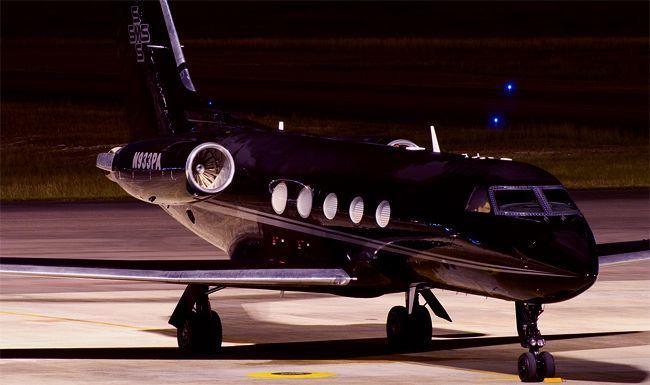
When it comes to medical emergencies, time is often the most critical factor in saving lives. Whether a patient is in a remote location, suffering from a serious condition, or in need of specialized care, the ability to move them quickly and safely can make the difference between life and death. In these urgent situations, private jets equipped for medical evacuations are the game-changer.
Private jets for medical evacuations are specifically designed to transport patients in critical conditions to medical facilities equipped to handle their needs. These planes, often referred to as air ambulances, have specialized medical equipment and highly trained personnel on board, ensuring that patients receive the best possible care while in transit. This article will explore how private jets are transforming the field of medical evacuations, the technologies behind these flights, and why they are essential for saving lives.
1. The Role of Private Jets in Medical Emergencies
When a medical emergency arises, the first priority is always to get the patient to the right medical facility as quickly as possible. In many cases, commercial airlines simply cannot meet the needs of critically ill or injured patients. While commercial flights offer comfort and convenience for healthy passengers, they are not equipped to handle emergencies, especially those involving patients in need of immediate medical care.
Private jets, however, are a different story. These jets are capable of transporting patients with a range of medical conditions, from heart attacks to severe trauma. They are often the most efficient and fastest means of transport for patients in critical situations, particularly when the destination hospital is in a different city or even country.
Why Private Jets Are Crucial for Medical Evacuations
- Speed and Accessibility: Commercial airlines operate on a fixed schedule and are limited by available routes. Private jets, on the other hand, can fly at any time, direct to the destination, and avoid the need for layovers or delays. This speed and flexibility are essential when time is of the essence.
- Access to Remote Locations: While commercial flights typically land at large international airports, private jets can access smaller, regional airports or even private airstrips, bringing the patient closer to their destination hospital. This is particularly important when patients are located in remote or difficult-to-reach areas.
- Specialized Care During Transit: Private jets used for medical evacuations are equipped with the latest medical technologies, including life-support equipment, surgical tools, and monitoring devices. Trained medical personnel, including paramedics, doctors, and nurses, are on board to monitor the patient’s condition and administer care throughout the flight.
2. Medical Equipment on Private Jets: Advanced Technologies and Life-Saving Tools
The most significant factor that separates private jets for medical evacuations from typical private flights is the medical equipment on board. These jets are designed to function as flying hospitals, ensuring that patients have everything they need to receive high-quality care while en route to the hospital.
Advanced Medical Equipment on Board
- Life-Support Systems: Many private jets used for medical evacuations are equipped with advanced life-support systems such as ventilators, defibrillators, and cardiac monitors. These devices allow medical teams to provide real-time monitoring of patients with severe conditions like heart attacks, strokes, or respiratory failure.
- ICU-Grade Facilities: Some private jets are equipped with Intensive Care Unit (ICU)-grade facilities, including fully equipped hospital beds, IV drips, and medication stations. These facilities allow for the safe and effective transport of critically ill patients, offering care that is comparable to what they would receive in a hospital setting.
- Portable Diagnostic Equipment: In some cases, private jets are equipped with portable diagnostic tools such as X-ray machines, ultrasound equipment, and blood oxygen monitors. These devices allow medical teams to assess the patient’s condition in real-time, making adjustments to treatment as necessary during the flight.
- Temperature Control: For patients who need to be kept at a specific temperature, such as those undergoing organ transplantation, private jets can be equipped with temperature-controlled environments. This ensures that the patient’s condition remains stable throughout the flight.
3. Highly Trained Medical Personnel On Board
Another key component of medical evacuation private jets is the team of highly trained medical professionals that accompanies the patient. These professionals are specially trained to handle medical emergencies and provide care during flight.
The Medical Team
- Doctors and Paramedics: Depending on the severity of the patient’s condition, the medical team may include doctors, nurses, and paramedics. These professionals are equipped with the knowledge and skills to stabilize the patient, administer medication, and respond to any complications that may arise during the flight.
- Specialists: For patients requiring more specialized care, such as those with cardiac conditions, neurological issues, or organ failure, private jets can accommodate specialized medical teams. This ensures that patients receive care from doctors who are experts in their specific conditions.
- Care Coordination: During the flight, the medical team will continuously monitor the patient’s vital signs and adjust treatments as necessary. They are in constant communication with the receiving hospital, ensuring a smooth handoff when the plane lands. This coordination allows for continuous care and quick intervention if needed.
4. The Advantages of Private Jets Over Ground or Commercial Transport
In an emergency, the difference between life and death can come down to minutes. Private jets provide significant advantages over ground transportation or commercial air travel, especially when every second counts.
Faster Response Time
- No Waiting for Commercial Flights: When an emergency arises, private jets can take off immediately, without waiting for a scheduled commercial flight or any additional passengers. This speed is invaluable, particularly when a patient needs to be moved quickly to a medical facility.
Avoiding Traffic and Delays
- Ground Transport Limitations: In many emergency situations, ground transportation is not fast enough. Traffic congestion, road closures, or long travel distances can all delay getting the patient to a hospital in time. With a private jet, however, patients can bypass these roadblocks and get to their destination as quickly as possible.
- Direct Routes to Destination: Unlike commercial flights, which require the patient to wait for available seats or connect through multiple airports, private jets can fly directly to the destination, bypassing unnecessary stops and delays.
5. International Medical Evacuations: A Global Reach
In some cases, a medical emergency may require a patient to be evacuated from one country to another, particularly if the necessary care is not available locally. In these situations, private jets for medical evacuations are particularly valuable.
Global Reach and Flexibility
- International Airports and Remote Destinations: Private jets can land at international airports, as well as smaller, more remote airstrips, which makes them ideal for transporting patients from regions with limited access to high-quality medical care. They can land in a wide variety of locations and are often able to access destinations that are beyond the reach of commercial flights.
- Efficient Coordination: The team responsible for coordinating international medical evacuations ensures that all necessary travel documents, medical records, and customs requirements are prepared in advance. This helps avoid delays at international borders and ensures that the patient can be admitted to a hospital as soon as possible.
6. The Psychological Impact of Private Jet Medical Evacuations
In addition to the medical benefits of private jet evacuations, there are significant psychological advantages for patients and their families. The stress of a medical emergency can be overwhelming, but knowing that a private jet with all the necessary equipment and expert care is on the way provides a sense of reassurance and comfort.
Comfort and Familiarity
- Familiar Environment: Many patients feel more comfortable on a private jet than in an ambulance, especially if they are traveling with loved ones or medical professionals they are familiar with. The ability to have family members or personal physicians on board can reduce anxiety and provide emotional support during the flight.
- Reduced Stress for Family Members: For the patient’s family members, the knowledge that the evacuation is being handled by professionals, and that the patient is in good hands, can help alleviate some of the stress and emotional strain that comes with medical emergencies.
7. The Future of Medical Evacuations Using Private Jets
As technology continues to evolve, so too will the role of private jets in medical evacuations. In the future, we can expect even more advanced medical equipment on board, as well as innovations that make air evacuations faster, safer, and more efficient.
Telemedicine Integration
- Remote Monitoring and Diagnosis: One area of innovation is the integration of telemedicine into private jet medical evacuations. Through telemedicine, medical teams on board can consult with specialists in real-time, ensuring that the patient receives the most appropriate care during the flight.
Smarter, More Efficient Aircraft
- Advanced Aircraft Technology: Newer private jets are being designed with more efficient flight paths, better fuel efficiency, and even more advanced medical equipment. These aircraft will make medical evacuations more affordable and accessible for a wider range of patients.
Conclusion: Private Jets A Lifeline in Medical Emergencies
Private jets have become an essential tool in medical evacuations, offering fast, flexible, and specialized care that can save lives in critical situations. Whether transporting a patient across the country or to another part of the world, these jets provide the necessary medical equipment, personnel, and speed that are crucial for a successful evacuation. As the industry continues to innovate, the future of private jet medical evacuations promises to be even more efficient, accessible, and life-saving.
In a world where seconds matter, private jets are no longer just a luxury they are a lifeline.