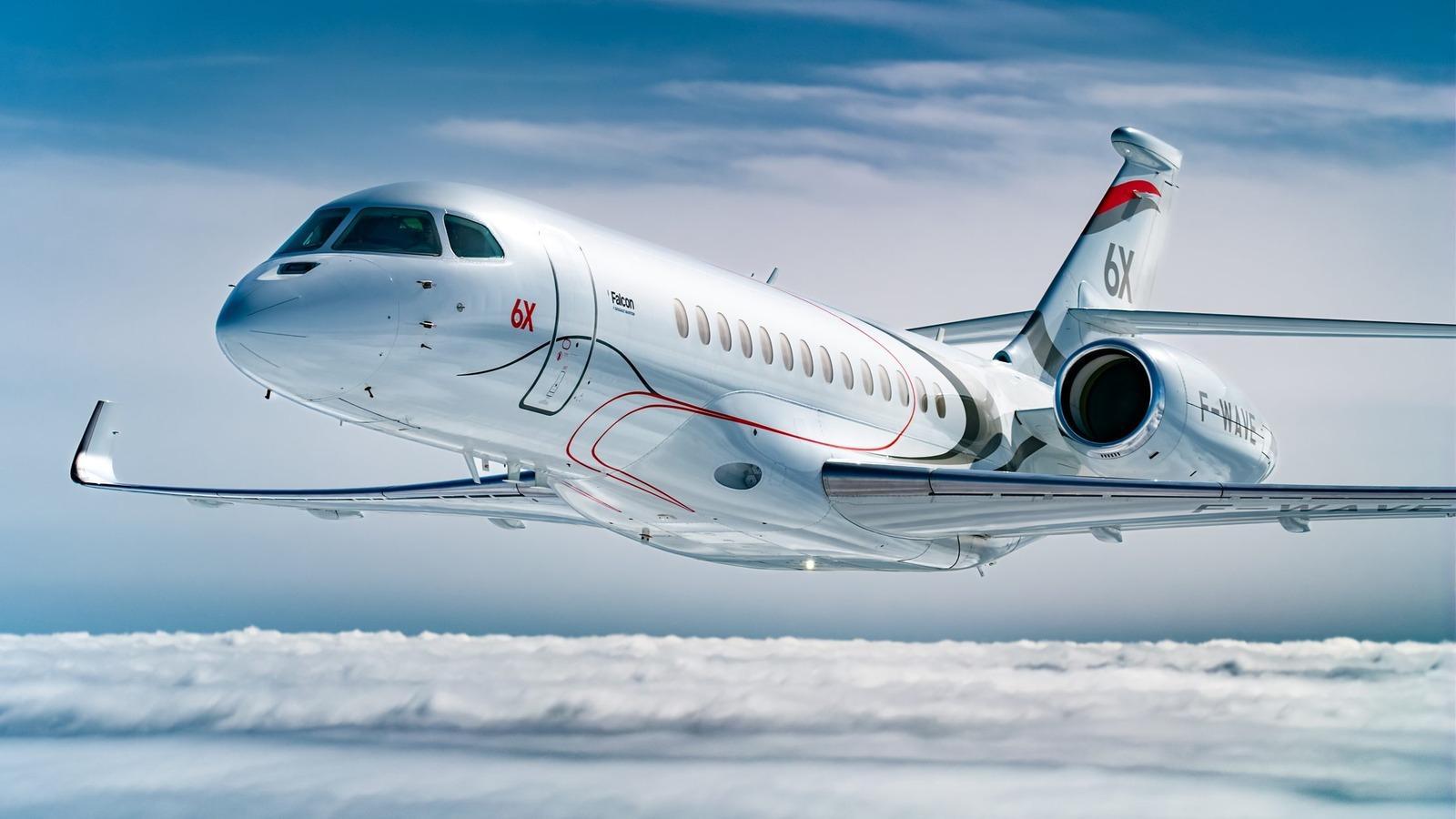
Introduction: The Dream of Unlimited Flight
Imagine flying in a private jet that never has to land for fuel. While this idea may seem futuristic, in-air refueling, a technique already used by military aircraft, could soon transform luxury private aviation.
For private jet owners, stopping for fuel during long-haul flights can be a hassle. Aerial refueling (also called air-to-air refueling, AAR) eliminates this inconvenience, allowing jets to fly longer, bypass refueling stops, and increase efficiency.
With advancements in autonomous refueling drones, AI-guided refueling, and next-gen fuel transfer systems, in-air refueling could soon become a standard feature for ultra-luxury private jets.
- How In-Air Refueling Works
Aerial refueling involves transferring fuel mid-flight from a tanker aircraft to a receiving aircraft. There are two primary methods:
🚀 Boom Refueling – A tanker aircraft uses a long, extendable boom to connect with the receiving jet and transfer fuel at high speeds.
🚀 Probe-and-Drogue System – The receiving aircraft extends a fuel probe to connect with a hose from the tanker, allowing fuel transfer.
For private jets, the challenge is designing a safe, seamless, and automated refueling system that fits within the sleek design of luxury aircraft.
- Benefits of In-Air Refueling for Private Jets
1️⃣ Extended Flight Range
🔹 Non-stop intercontinental travel without fuel stops.
🔹 Flights from New York to Sydney or Dubai to Los Angeles without layovers.
🔹 More efficient routes, avoiding refueling hubs.
2️⃣ Reduced Time on the Ground
🔹 No more waiting for fuel trucks or dealing with airport congestion.
🔹 More direct flights with fewer interruptions.
🔹 Increased time efficiency for business travelers and VIPs.
3️⃣ Increased Fuel Efficiency
🔹 Refueling at optimal altitudes reduces fuel burn.
🔹 Lighter initial takeoff weight leads to better fuel economy.
🔹 Smart refueling strategies optimize fuel distribution and jet performance.
- The Future of Autonomous Aerial Refueling
The biggest leap in private jet refueling will come from AI-driven automation. Future private jets will feature:
🤖 AI-Powered Refueling Systems – Autonomous jets will communicate with AI-guided tankers for precise fuel transfer.
🚀 Drone-Based Refueling – Specialized fuel drones could replace traditional tanker aircraft, making refueling more flexible.
🛰️ Satellite-Connected Fuel Scheduling – Private jet owners will schedule refueling sessions mid-air using real-time AI tracking.
These advancements will eliminate human error, increase safety, and make in-air refueling an effortless experience for private jet passengers.
- Challenges & Considerations
While the benefits are clear, in-air refueling for private jets faces some key challenges:
⚠️ Aircraft Design Modifications – Private jets will need special fuel intake systems without compromising aerodynamics.
⚠️ Safety & Regulations – Aviation authorities must ensure refueling operations are risk-free for civilian aircraft.
⚠️ Fuel Availability – A global network of refueling tankers or drones needs to be developed.
Despite these hurdles, aerospace giants like Airbus, Boeing, and Gulfstream are actively exploring in-air refueling for commercial and private aviation.
Conclusion: The Next Era of Private Jet Travel
In-air refueling could be the ultimate luxury upgrade for private jet owners. As technology advances, non-stop, ultra-long-haul private flights will become a reality.
With the rise of AI, automation, and next-gen fuel tech, future private jets will be more efficient, autonomous, and limitless in range.
For those who demand the ultimate in convenience and exclusivity, private jets that refuel in the air will be the next game-changer in elite air travel.