The Growing Need for Sustainable Agriculture
The global agricultural industry is facing numerous challenges, from climate change to rapid urbanization, which have made traditional farming methods increasingly unsustainable. With urban sprawl swallowing up fertile land and environmental changes affecting crop yields, there is an urgent need to explore alternative solutions to ensure food security for future generations. Sustainable agriculture, with an emphasis on reducing carbon footprints, conserving water, and maximizing land use, is more important than ever.
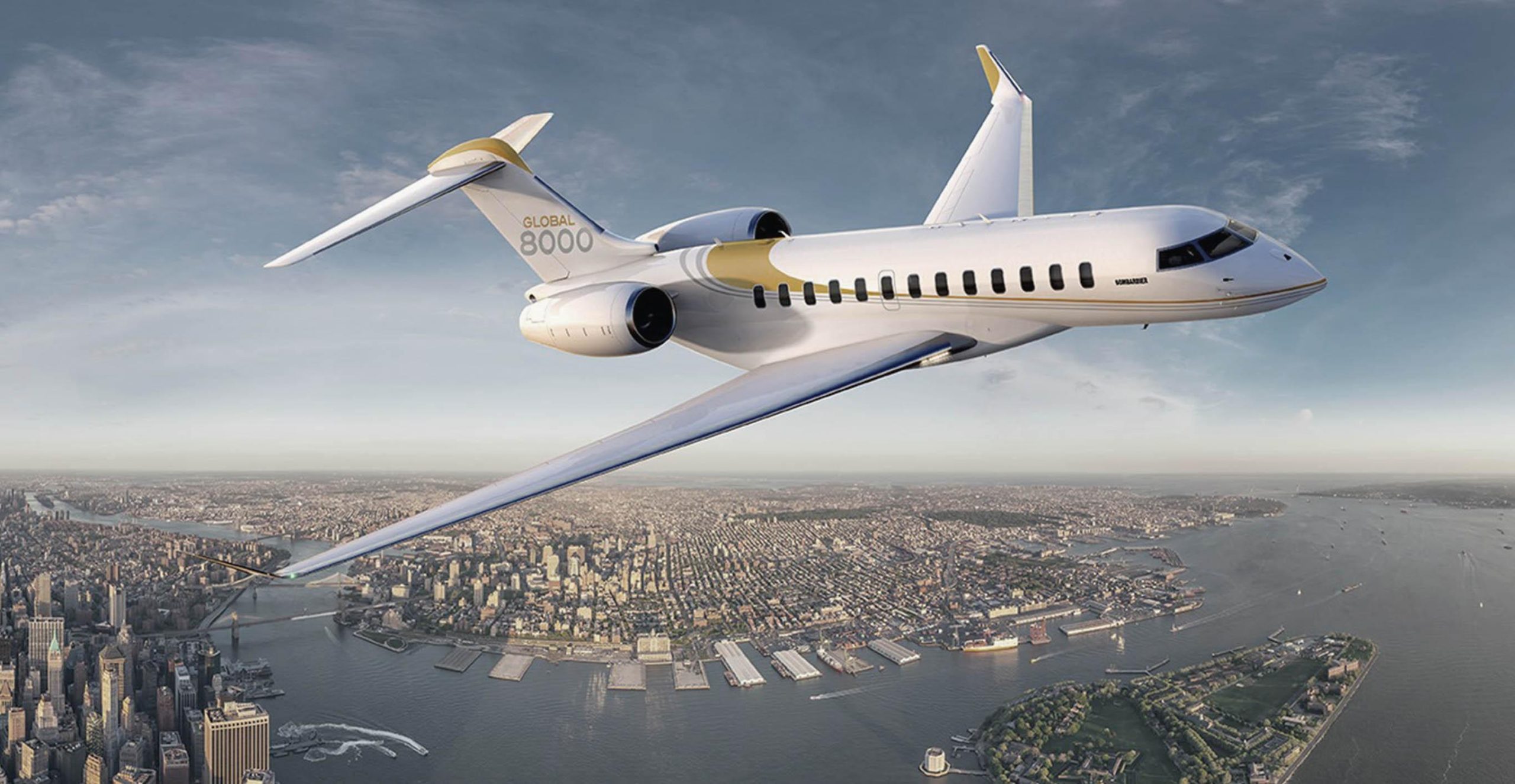
At the same time, the aviation industry is one of the largest contributors to global carbon emissions. As private jet travel continues to grow in popularity among the ultra-wealthy, there is an increasing demand for more sustainable aviation technologies. The convergence of these two industries, aviation and agriculture, has led to the concept of private jets with built-in greenhouses, combining the luxury of private air travel with the need for sustainable food production.
The Concept of Greenhouses in Private Jets
The idea of incorporating greenhouses into private jets is an innovative solution that serves multiple purposes. The primary goal of these airborne greenhouses is to provide passengers with the ability to grow fresh, organic food while traveling at 30,000 feet, ensuring that healthy and sustainable food options are always available. This concept is especially appealing to frequent travelers who are committed to a sustainable lifestyle and wish to reduce their environmental impact even while traveling.
The greenhouses themselves would be carefully designed to function in the challenging conditions of an aircraft. These spaces would need to be self-contained and capable of mimicking the conditions of traditional greenhouses on the ground. They would require careful consideration of temperature, humidity, air circulation, and light, all while ensuring that the space does not interfere with the jet’s operations or passenger comfort.
Key Features of Private Jets with Built-In Greenhouses
- Space and Design
Private jets are designed for luxury, so incorporating a greenhouse requires an innovative approach to space utilization. The greenhouse area would likely be compact yet efficient, using vertical farming methods to maximize available space. Hydroponic or aeroponic systems, which do not require soil, could be used to grow plants in a small, controlled environment. These systems are ideal for aircraft because they take up less space and can be maintained with minimal water and nutrients.
- Advanced Climate Control
A key challenge in creating a functional greenhouse in the sky is controlling the climate inside. Temperature, humidity, light, and air quality are all crucial to the success of plant growth. To achieve this, private jets with built-in greenhouses would likely employ sophisticated climate control systems. These systems would use sensors to monitor and adjust conditions in real-time, ensuring optimal growing conditions for plants despite the fluctuations in altitude, external temperatures, and other factors associated with flight.
- Solar Power and Energy Efficiency
Sustainability is at the heart of the concept of airborne farming, so using renewable energy sources is a critical consideration. Solar panels installed on the exterior of the private jet could provide the necessary energy for the greenhouse’s lighting and climate control systems. By harnessing solar power, the greenhouse could operate in an environmentally friendly manner, reducing the jet’s overall carbon footprint.
- Water Conservation Technologies
In a traditional greenhouse, water management is a key factor in ensuring sustainable crop production. In the confined space of a private jet, conserving water becomes even more important. Water-efficient technologies such as rainwater harvesting, drip irrigation, and misting systems could be employed to ensure that the greenhouse does not waste water while still supporting plant growth. Additionally, water recycling systems could be used to filter and reuse water within the greenhouse, further increasing efficiency.
- Customization and Variety of Crops
Depending on the preferences of the jet owner or passengers, the greenhouse could be customized to grow a variety of crops. Herbs, leafy greens, small fruits, and vegetables like tomatoes, lettuce, spinach, and basil could thrive in the controlled environment. For those interested in more exotic or larger crops, vertical farming techniques could allow for the cultivation of plants such as strawberries, cucumbers, or even small trees. The customization of crops would not only provide fresh, healthy food options during flights but could also create a unique and personalized experience for passengers.
- Self-Sustaining Ecosystem
To ensure the long-term success of the greenhouse, a self-sustaining ecosystem could be created inside the jet’s greenhouse. Beneficial insects, such as bees and ladybugs, could be introduced to pollinate plants and manage pests naturally, reducing the need for chemical pesticides. Additionally, the use of composting systems could help recycle organic waste and create nutrient-rich soil for the plants. The greenhouse could become a miniature ecosystem, where all elements work in harmony to support plant growth while minimizing waste.
Benefits of Greenhouses in Private Jets
- Fresh, Organic Food Anywhere
One of the most obvious benefits of having a greenhouse on board a private jet is the ability to enjoy fresh, organic food while flying. Passengers could have access to an endless supply of salad greens, herbs, and other healthy options without the need to rely on pre-packaged, store-bought food. This not only ensures a healthier dining experience but also reduces the environmental impact of transporting food over long distances.
- Sustainable Food Production
Traditional food production is resource-intensive, often requiring large amounts of land, water, and energy. By bringing farming into the sky, private jets with greenhouses could offer a more sustainable alternative. The crops grown on board would require significantly less water and land than traditional farming methods, making the production process much more eco-friendly. This innovation could potentially contribute to reducing the overall environmental impact of the aviation industry by minimizing food waste and lowering the carbon footprint of in-flight catering.
- Customization and Personalization
The greenhouse concept offers a high level of customization and personalization for private jet owners. Whether it’s growing specific herbs for culinary purposes or cultivating a selection of fruits and vegetables for health-conscious travelers, the greenhouse can cater to individual tastes and preferences. This level of customization creates a unique experience for passengers, allowing them to enjoy farm-to-table meals even while traveling.
- Promoting Environmental Consciousness
Integrating greenhouses into private jets not only helps reduce the environmental impact of food production but also serves as a powerful statement of sustainability. Passengers who choose to travel on private jets with greenhouses will be demonstrating a commitment to environmental consciousness and sustainable living. This aligns with growing consumer trends toward eco-friendly lifestyles, which many wealthy individuals are eager to embrace.
- Educational and Inspirational Value
Airborne farming could also serve as an educational tool, inspiring passengers to adopt more sustainable practices in their own lives. For those interested in urban gardening or sustainable food production, seeing the greenhouse in action on a private jet could be an eye-opening experience. The technology behind these greenhouses could inspire new ideas for sustainability and urban farming that passengers might take back to their homes or businesses.
Challenges and Considerations
While the concept of private jets with built-in greenhouses offers numerous benefits, there are several challenges that need to be addressed:
- Space Limitations
Space on private jets is always at a premium, and adding a greenhouse to the design would require careful planning to ensure that it does not interfere with the comfort and functionality of the jet. The greenhouse would need to be compact and efficient, making use of every available inch without compromising on passenger experience.
- Maintenance and Upkeep
Maintaining a greenhouse in an aircraft could prove challenging due to the constant changes in altitude and environmental conditions. Regular maintenance would be required to ensure the systems remain operational, and this would likely involve specialized training for jet staff or technicians who are responsible for overseeing the greenhouse.
- Regulatory and Safety Concerns
The introduction of greenhouses on private jets would require extensive testing and certification to ensure that they meet aviation safety standards. The systems within the greenhouse, including climate control and irrigation systems, would need to be thoroughly vetted to ensure they do not pose any risks to the aircraft or passengers.
The Future of Airborne Farming
The idea of private jets with built-in greenhouses is an exciting and innovative concept that merges luxury aviation with sustainable agriculture. While there are challenges to overcome, the potential benefits of airborne farming, such as fresh, organic food production, reduced environmental impact, and a more personalized travel experience, make it an attractive option for the future of private jet travel. As technology continues to evolve, we may see more private jets incorporating these greenhouses, helping to shape a new era of sustainable, luxurious, and eco-conscious air travel.