Private Jet PrivateJetia 062
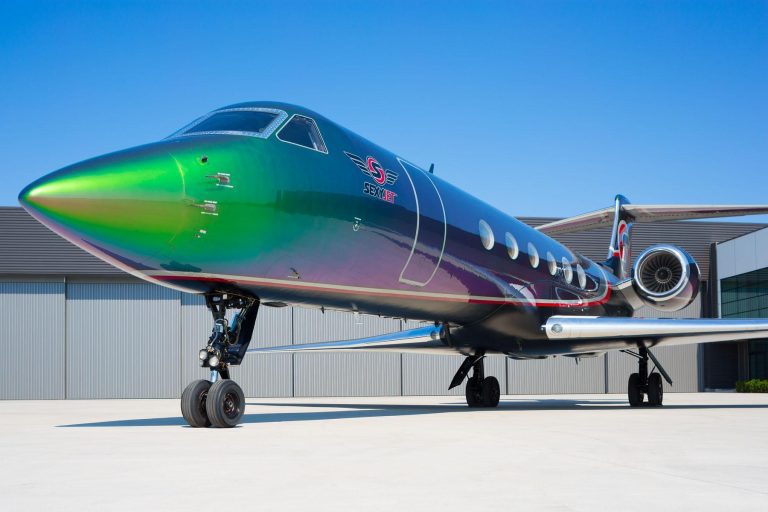
The aviation industry is constantly evolving, with a strong focus on safety, efficiency, and luxury. Among the latest breakthroughs in private jet technology is the development of self-healing nano-coated exteriors, a cutting-edge innovation that promises to revolutionize the way jets are protected from external damage. This advanced technology utilizes nano-coatings that can automatically repair damage to an aircraft’s exterior, enhancing its longevity, performance, and aesthetic appeal while reducing the need for costly repairs.
What Are Self-Healing Nano-Coated Exteriors?
Self-healing nano-coatings are an innovative material science breakthrough where a layer of nanotechnology-based coating is applied to the aircraft’s surface. These coatings contain microcapsules filled with a healing agent that is released upon contact with damage, such as scratches, dents, or minor abrasions. The healing agent reacts with the air and moisture to solidify and repair the damaged area, restoring the surface to its original condition.
This nano-coating technology is based on smart polymers that mimic natural healing processes, much like how human skin heals after an injury. The idea is to apply a protective layer to the aircraft’s exterior that actively repairs itself after damage, preventing the need for extensive maintenance or repainting.
Benefits of Self-Healing Nano-Coatings for Private Jets
- Enhanced Durability
Private jets often experience various forms of wear and tear, whether from hail damage, bird strikes, or simply abrasions from frequent use. A self-healing nano-coating offers an added layer of protection, effectively sealing and repairing minor damage before it becomes a major issue. This significantly extends the lifespan of the jet’s exterior and reduces the overall maintenance costs, offering significant savings for jet owners over time.
- Cost-Effective Maintenance
The cost of jet maintenance can be prohibitively expensive, especially when dealing with the repainting and repair of the aircraft’s exterior. The introduction of self-healing nano-coatings cuts down on the need for traditional repairs. Small chips and scratches no longer require expensive repainting; instead, the coating automatically restores the surface, saving both time and money. For owners, this means fewer visits to the hangar, and for operators, it reduces the frequency of costly downtime.
- Improved Aerodynamics and Performance
The self-healing process ensures that the smoothness and integrity of the aircraft’s surface are maintained. Any scratches or dents that might have previously affected the aerodynamics of the jet are quickly fixed, ensuring that the aircraft operates at peak efficiency. A smooth surface contributes to better fuel efficiency, as the plane can glide through the air with less drag.
- Enhanced Aesthetic Appeal
A private jet is a symbol of luxury, and its appearance is often just as important as its performance. Self-healing nano-coatings ensure that the jet’s exterior remains pristine, with fewer visible signs of damage. This provides an added level of aesthetic appeal, keeping the jet looking brand new for longer periods and preserving its resale value.
How Self-Healing Nano-Coatings Work
Self-healing nano-coatings are composed of nanoparticles and microcapsules that contain a healing agent, which is typically a polymer or resin. The coating is applied in a thin layer over the aircraft’s surface, creating a durable barrier that is resistant to abrasions, scratches, and other environmental factors such as UV rays and extreme temperatures.
When the coating is damaged, the microcapsules inside break open, releasing the healing agent into the damaged area. The healing agent flows into the crack or scratch and begins to harden, sealing the surface and restoring its integrity. This process can happen repeatedly without compromising the effectiveness of the nano-coating.
The self-healing capability of the nano-coating is not just limited to minor scratches; it can also repair larger cracks over time, ensuring that the jet’s surface remains protected and functional for extended periods.
Applications of Self-Healing Nano-Coated Exteriors in Private Jets
- Protection Against Environmental Factors
Private jets are exposed to a variety of environmental challenges, such as extreme weather conditions, UV radiation, and airborne contaminants. Self-healing nano-coatings offer protection against these external elements, providing a resilient shield that ensures the jet’s surface is not only scratch-resistant but also resistant to the harmful effects of prolonged exposure to the elements.
- Reduced Maintenance Downtime
In the aviation industry, downtime is a significant concern, especially for private jet owners who rely on their aircraft for regular travel. The self-healing nano-coatings minimize the need for extensive repair work, reducing the time the jet spends in maintenance and allowing it to return to service faster. This results in increased availability of the aircraft for business and leisure flights.
- Lightweight and Fuel-Efficient
Self-healing nano-coatings contribute to the lightweight properties of private jets, as the protective coating is applied in an ultra-thin layer without adding significant weight. This helps maintain or even improve fuel efficiency, as lighter aircraft require less fuel to operate. Additionally, the aerodynamic benefits of a smooth surface contribute to fuel savings, further enhancing the cost-effectiveness of the aircraft.
Future Prospects of Self-Healing Nano-Coating Technology
The future of self-healing nano-coatings in private aviation looks promising. As technology advances, nano-coatings will continue to evolve, offering even more advanced self-repairing capabilities. Future iterations may include coatings that can heal larger cracks, repair deeper gouges, and even resist impact damage from larger objects.
Moreover, integration with AI could allow these coatings to automatically assess the extent of damage and decide on the optimal healing strategy based on real-time data from the aircraft’s monitoring systems.
As aerospace manufacturers continue to explore new possibilities, self-healing nano-coatings could become an industry standard for all private jets, offering unmatched durability, reduced maintenance costs, and superior protection against external elements.
Conclusion
Self-healing nano-coated exteriors are revolutionizing the future of private aviation, offering numerous benefits, including enhanced durability, cost savings, and better performance. These advanced materials ensure that private jets are not only more resilient and aesthetic but also more fuel-efficient and environmentally protected. As technology progresses, self-healing nano-coatings will continue to play an essential role in optimizing the private jet experience, making it more luxurious, cost-effective, and sustainable.