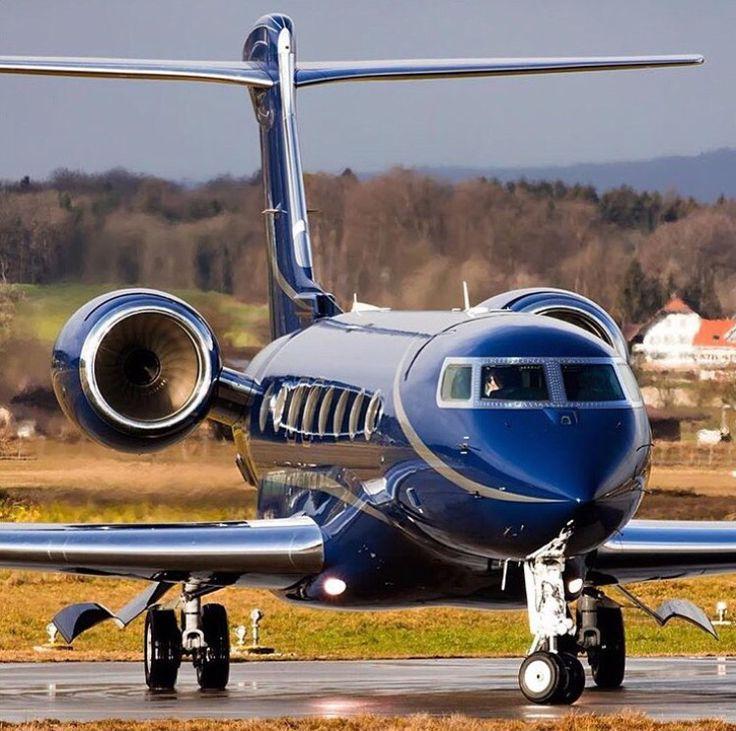
As private aviation continues to evolve, so does the demand for hyper-personalized, luxurious experiences for travelers. One of the most exciting innovations in this area is the development of AI-based personalized sound environments for private jets. By leveraging artificial intelligence, these sound systems can create custom-customized audio experiences that cater to the unique preferences of each passenger, promoting relaxation, focus, or even entertainment. This article explores how AI-driven sound environments are shaping the future of private air travel, offering a truly immersive experience for passengers.
What Are AI-Based Personalized Sound Environments?
AI-based personalized sound environments are a technological advancement designed to optimize audio experiences within private jets, making them more immersive, relaxing, or stimulating depending on the passenger’s preferences. These systems use artificial intelligence to create soundscapes that adapt to the mood, needs, and desires of each individual aboard. The sound environment includes a wide array of features, from ambient noise adjustments and music playlists to noise-cancellation systems and personalized soundscapes.
Instead of passengers relying on a static audio environment or the noise of the aircraft, AI systems can adjust sound levels dynamically based on real-time feedback. Whether it’s creating a soothing atmosphere during a nap, playing energizing tunes for an active mood, or simply reducing the noise pollution from the engines, AI will ensure that the sound environment is perfectly customized to each traveler.
How AI-Based Sound Environments Work
AI-based sound environments are powered by a combination of advanced sensors, machine learning algorithms, and acoustics technologies. Here’s a closer look at how they function:
- Real-Time Mood Detection
The heart of AI-based sound environments lies in their ability to detect passenger moods in real-time. Through a combination of emotion recognition technology, voice analysis, and possibly even physiological data (such as heart rate and body temperature), the system can determine whether a passenger is feeling relaxed, stressed, energized, or tired.
For example, if the system detects that a passenger is anxious or stressed, it might activate soothing soundscapes, such as white noise or nature sounds (ocean waves, rain, forest sounds) to induce relaxation. On the other hand, if the passenger is in a more energetic or social mood, the system might adjust the sound environment to an upbeat playlist or calming instrumental music.
- Adaptive Acoustic Design
Private jets, by nature, are confined spaces, and sound can easily become overwhelming or distracting. AI systems are designed to create an adaptive acoustic environment that minimizes discomfort caused by background noise or the engine hum. By analyzing the acoustics in real-time, AI systems can reduce unwanted noise, while enhancing the quality of sound. This can involve:
Dynamic Noise Cancellation: AI can adjust the noise-canceling system to effectively block out unwanted sounds, whether it’s the roar of the engines or external noise, ensuring that the cabin remains quiet and peaceful.
Frequency Shaping: AI systems can modify sound frequencies to ensure optimal listening conditions. By adjusting the balance between bass, midrange, and treble, the system can create the best possible audio experience for passengers.
Echo Control: AI can also detect unwanted echoes within the cabin and adjust the sound output to reduce these reverberations, creating a clearer and more pleasant sound environment.
- Personalized Music Playlists
Music plays a critical role in creating the right mood, and AI can assist by generating personalized playlists that fit the tastes of the individual passenger. The system can analyze a passenger’s music preferences (perhaps based on previous selections, listening habits, or even real-time feedback) and curate playlists accordingly. Whether the passenger is in the mood for classical music, a relaxing jazz set, or an upbeat pop mix, the AI system will have it covered.
Additionally, AI can even adapt the playlist based on the time of day, the stage of the flight (e.g., taking off, cruising, or landing), or the passenger’s activity level. For instance, during a long flight, the system might provide a calming playlist for a relaxed atmosphere, while during a meeting or working session, the system could switch to instrumental music to improve focus.
- Interactive Sound Control
An innovative aspect of AI-based personalized sound environments is the interactive control passengers have over their audio settings. Through voice commands or touch interfaces, passengers can interact with the system to adjust the sound environment to their liking. This might include:
Adjusting the volume levels of specific areas of the jet (e.g., louder in one seat, quieter in another).
Changing the type of sound environment (e.g., from relaxing sounds to an entertainment playlist).
Modifying sound filters based on personal preference (e.g., reducing low-frequency sounds to minimize engine noise or enhancing high-frequency sounds for clarity).
This personal control empowers passengers to fine-tune their environment to meet their specific needs and preferences, ensuring that no two flight experiences are the same.
- Health & Wellness Integration
AI-powered sound environments can also integrate with wellness technologies. Research has shown that sound has a significant impact on our physical and mental health, so AI systems in private jets can be used to help improve overall well-being. For instance, AI can offer:
Therapeutic Soundscapes: AI can create relaxing soundscapes known to reduce stress and anxiety, such as binaural beats, guided meditation music, or soothing natural sounds. These soundscapes can be recommended based on a passenger’s mood or health condition.
Sleep Enhancement: If the AI system detects that a passenger is preparing to sleep or is experiencing jet lag, it can provide gentle, sleep-inducing sounds like white noise, rain, or wind to promote better sleep quality.
Sound for Focus: For passengers working during the flight, AI can play specific sound frequencies or playlists known to improve concentration, such as instrumental music or soundscapes that encourage deep focus.
- AI-Enhanced Communication
In addition to music and soundscapes, AI can also help with communication within the private jet. Whether it’s helping passengers talk to crew members, controlling in-flight entertainment, or facilitating virtual meetings, AI can adjust sound environments to improve clarity. This could include automatically increasing the volume of crew announcements, adjusting the sound of virtual meeting audio, or even optimizing acoustics for better conference call experiences.
Benefits of AI-Based Personalized Sound Environments
The integration of AI into private jet sound environments offers numerous advantages for travelers, including:
- Enhanced Comfort
Personalized sound environments ensure that the audio experience in the jet is always aligned with the passenger’s preferences and needs. By adjusting to the mood and environment of the passenger, the system ensures ultimate comfort throughout the flight.
- Improved Relaxation and Focus
The ability to adjust sounds to match emotional and physical states promotes both relaxation and focus. Whether passengers need to unwind, sleep, or concentrate on work, AI-based systems ensure that the soundscapes facilitate these activities.
- Noise Control and Comfort
By dynamically adjusting the cabin acoustics and canceling out unwanted noise, the AI system ensures that passengers can enjoy a peaceful and quiet environment, even in the most challenging acoustic settings of an aircraft cabin.
- Personalized Entertainment
Personalized playlists and dynamic sound options allow passengers to enjoy the exact kind of entertainment that suits them, making the flying experience more enjoyable and customized to their tastes.
- Wellness Integration
By integrating sound with wellness tools, passengers can benefit from a more holistic approach to travel. Whether it’s for improving sleep, reducing stress, or enhancing focus, AI-based sound systems play a critical role in overall well-being during flights.
The Future of AI-Based Sound Environments
As AI technology continues to improve, the potential for even more sophisticated personalized sound environments in private jets will expand. Future systems could integrate even more advanced biometric data, such as heart rate variability or neural activity, to create sound environments that promote optimal health and mental clarity. Additionally, as AI becomes more intuitive, the system may become capable of predicting a passenger’s needs based on factors like historical preferences, time of day, and flight conditions, offering a truly effortless and seamless experience.
Conclusion
AI-powered personalized sound environments represent the future of luxury air travel. With the ability to adjust soundscapes dynamically based on passenger preferences, moods, and activities, these systems will elevate the flying experience to new heights. Whether it’s through mood-specific playlists, noise cancellation, or wellness integration, AI will transform the way passengers experience sound on private jets. As technology continues to evolve, these systems will only become more sophisticated, offering an even more customized , enjoyable, and immersive environment for travelers.