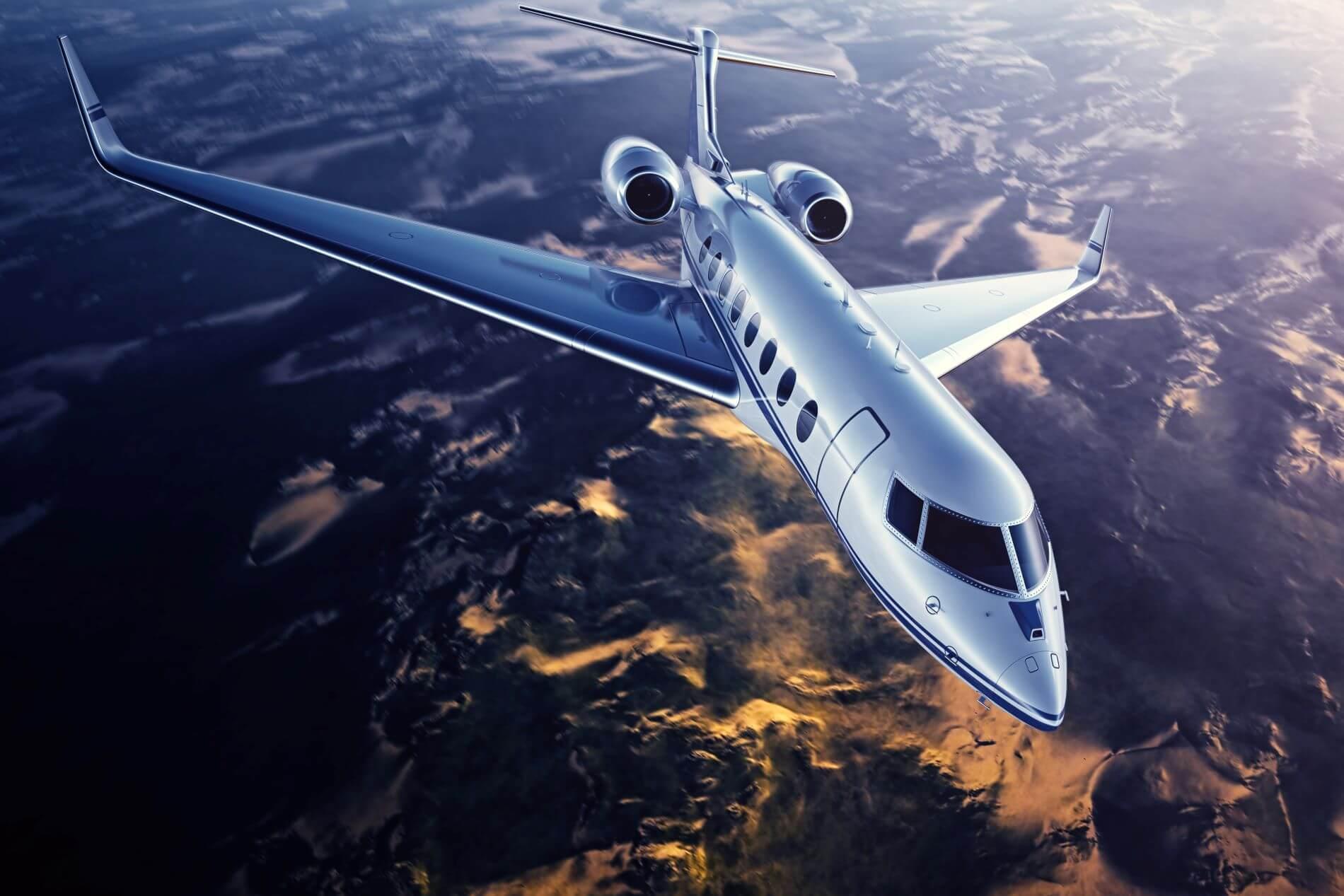
In the world of aviation, nonstop flights are a symbol of efficiency, luxury, and convenience. For those with the means, the ability to fly nonstop across vast distances is a game-changer, saving time and providing a very uniqueed comfort during long-haul travel. Some of the longest nonstop jet flights in history have set remarkable records, pushing the boundaries of what is possible in aviation. These flights not only showcase the capabilities of modern aircraft but also highlight the advances in technology, fuel efficiency, and aerodynamics.
From intercontinental journeys to exclusive non-commercial flights, record-setting nonstop jet flights offer a glimpse into the future of aviation, where distance is no longer a barrier to travel. In this article, we will explore the top longest nonstop jet flights, the aircraft that make them possible, and the fascinating details behind these extraordinary feats of air travel.
1. What Makes a Long Nonstop Jet Flight Possible?
Before diving into the details of the longest nonstop flights, it’s essential to understand the factors that enable these journeys. Several elements contribute to the feasibility of long-haul nonstop flights:
a. Aircraft Range and Fuel Efficiency
At the heart of any nonstop flight is the aircraft’s range. Modern jets are engineered to cover vast distances without refueling, thanks to advancements in fuel efficiency, aerodynamics, and engine performance. Aircraft such as the Boeing 777-200LR, Airbus A350-900 ULR, and Gulfstream G650ER are designed specifically for these types of journeys, offering impressive range capabilities that enable them to fly continuously for up to 18 hours or more without the need for a layover.
b. Flight Path Optimization
Airlines and private jet operators now use advanced flight planning technologies to optimize the flight path for efficiency, safety, and speed. This includes adjusting for jet streams, weather patterns, and air traffic control restrictions. The use of satellite navigation and real-time weather data ensures that flight paths are chosen to minimize fuel consumption and maximize speed, making long-haul flights more efficient.
c. Passenger Comfort
While the goal of nonstop flights is to shorten travel times, passenger comfort is equally important on these long journeys. Aircraft are equipped with lie-flat seats, private cabins, and state-of-the-art entertainment systems, ensuring that passengers can rest and stay comfortable throughout the duration of the flight. This is particularly important for business travelers and high-net-worth individuals who expect the highest standards of luxury.
2. Top Record-Setting Longest Nonstop Jet Flights
a. Singapore Airlines Flight SQ23 (Singapore to New York)
Singapore Airlines Flight SQ23 currently holds the title of the longest nonstop commercial flight in the world. This monumental journey covers a distance of 9,537 miles (15,349 kilometers) and typically takes around 18 hours and 40 minutes. The flight operates between Changi Airport in Singapore and John F. Kennedy International Airport in New York, crossing the globe in one continuous flight.
The aircraft used for this record-setting flight is the Airbus A350-900 ULR (Ultra Long Range), a specially designed version of the Airbus A350 that boasts a range of over 9,700 nautical miles. The A350-900 ULR is configured to carry fewer passengers, about 161, to maximize fuel efficiency and ensure a comfortable, spacious experience for travelers. The flight has become a popular choice for business travelers and those seeking a direct route between Asia and the United States, without the need for any layovers.
b. Qatar Airways Flight QR921 (Auckland to Doha)
Qatar Airways’ Flight QR921 is another contender for the longest nonstop commercial flight, connecting Auckland in New Zealand to Doha in Qatar. This flight covers a distance of 9,032 miles (14,535 kilometers) and has a flight time of approximately 17 hours and 30 minutes. Qatar Airways uses the Boeing 777-200LR for this long-haul route, which is designed for long-range flights and can fly nonstop for up to 15,843 kilometers.
This route is particularly significant due to the challenges posed by flying over vast stretches of ocean and remote areas. The Boeing 777-200LR is equipped with advanced fuel tanks and efficient engines to ensure that the aircraft can complete the journey without refueling, while offering passengers the luxury and comfort for which Qatar Airways is known.
c. Emirates Flight EK448 (Auckland to Dubai)
Another notable nonstop flight is Emirates Flight EK448, which operates between Auckland and Dubai. This flight covers a distance of 8,824 miles (14,200 kilometers) and takes approximately 17 hours. The aircraft used for this journey is the Boeing 777-200LR, one of the most reliable long-haul aircraft in the world. Emirates is well known for its exceptional service, and passengers on Flight EK448 can enjoy luxurious cabins, gourmet dining, and world-class entertainment throughout the journey.
Emirates has invested heavily in fuel-efficient technology and in-flight comfort, making long-haul travel not only possible but also enjoyable. For passengers traveling between the Middle East and New Zealand, this nonstop flight offers the ultimate in convenience and comfort.
d. Cathay Pacific Flight CX889 (Hong Kong to New York)
Cathay Pacific offers one of the longest nonstop flights between Hong Kong and New York City, covering a distance of 8,068 miles (12,998 kilometers) in just over 16 hours. This flight is operated using the Boeing 777-300ER, a long-range aircraft that can travel up to 14,690 kilometers without needing to refuel.
Cathay Pacific has become known for providing passengers with excellent service, featuring spacious cabins and premium amenities, particularly in its business and first-class cabins. The flight is a popular choice for travelers heading to the United States from Asia, offering a direct route with minimal time spent in the air.
e. Australia’s Longest Nonstop Flight: Melbourne to Dallas/Fort Worth
For travelers flying between Australia and the United States, the Melbourne to Dallas/Fort Worth route is one of the longest nonstop flights. This flight, operated by Qantas, covers a distance of approximately 8,991 miles (14,436 kilometers), with a flight time of around 17 hours. The aircraft used for this route is the Boeing 787-9 Dreamliner, known for its fuel efficiency and ability to fly long distances without refueling.
Qantas is known for its commitment to passenger comfort, offering a range of amenities such as lie-flat beds, in-flight entertainment, and luxurious dining options. This nonstop flight has become a popular choice for both business and leisure travelers, offering a direct route between the United States and Australia.
3. The Future of Long Nonstop Flights
The success of current record-setting nonstop flights has paved the way for even more ambitious future projects. As technology continues to evolve, we can expect to see even longer nonstop flights, with new aircraft designs that are more fuel-efficient and capable of traveling even farther distances.
a. The Emergence of Hypersonic Travel
One of the most exciting developments in aviation is the potential for hypersonic travel. Hypersonic jets, which can travel at speeds greater than Mach 5 (five times the speed of sound), could revolutionize long-haul air travel. These jets would be capable of crossing continents in a fraction of the time it currently takes, making nonstop flights even more efficient.
While hypersonic travel is still in its early stages, companies like Boom Supersonic and Hermeus are already working on prototypes that could pave the way for commercial hypersonic flights in the coming decades. If successful, hypersonic jets could offer nonstop flights from New York to Tokyo in just a few hours, changing the way we view air travel.
b. Electric and Sustainable Flights
As global concerns about climate change grow, the aviation industry is looking at electric planes and sustainable aviation fuels to reduce the environmental impact of long-haul flights. Companies like ZeroAvia and Joby Aviation are developing electric aircraft that could one day make nonstop flights more environmentally friendly, offering a cleaner and greener alternative to traditional jet fuel.
These innovations could lead to more affordable and sustainable nonstop flights in the future, making long-distance travel more accessible while reducing the carbon footprint of flying.
4. Conclusion
Record-setting nonstop jet flights have not only changed the way we travel, but they have also expanded the possibilities of long-haul air travel. From the impressive Singapore to New York journey to the incredible Auckland to Doha connection, these flights offer unmatched convenience, speed, and luxury. As technology continues to evolve, the future of nonstop flights looks brighter than ever, with hypersonic travel and sustainable aviation leading the way toward even greater advancements in the world of aviation. Whether for business, leisure, or adventure, the allure of nonstop flights continues to captivate travelers around the world, offering a glimpse of what air travel will look like in the years to come.