PrivateJetia Private Jet Fly 82
The world of private jet travel is known for its luxury, comfort, and exclusivity, but the professionals behind the scenes, the private jet crews, also enjoy a rewarding career. Private jet crews, including pilots, flight attendants, and other essential staff, play a vital role in ensuring that passengers have a smooth and luxurious flight experience. In return for their high level of service, the compensation and benefits for private jet crews are often generous and customized to the unique nature of their work.
In this article, we will explore the salaries and benefits of private jet crews, including pilots and flight attendants, and delve into the factors that influence their earning potential. We will also discuss the perks that come with these roles, such as travel benefits, bonuses, and professional growth opportunities. Whether you’re considering a career in private aviation or simply curious about how the compensation compares to other industries, this guide will provide an insightful overview.
Private Jet Pilot Salaries
Private jet pilots are some of the highest-paid professionals in aviation. They are responsible for ensuring the safety and comfort of passengers, flying complex aircraft, and often handling challenging flight schedules. The salary for a private jet pilot can vary greatly depending on several factors, including experience, the type of aircraft, the size of the jet, and the company they work for.
1. Base Salary for Private Jet Pilots
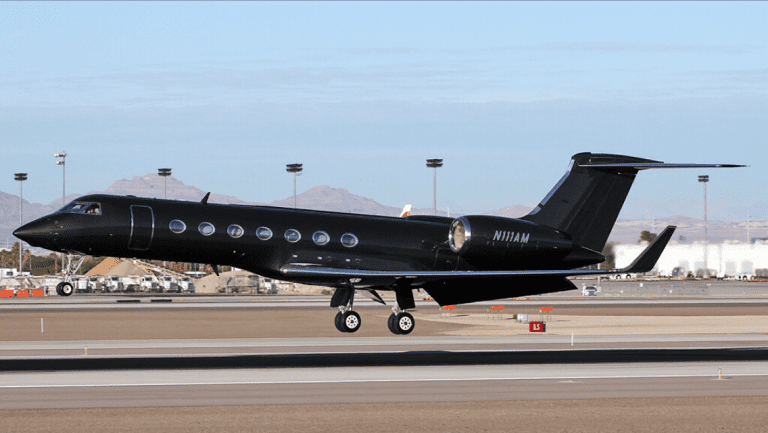
The base salary for private jet pilots typically ranges between $80,000 and $150,000 per year. However, this range can extend much higher for experienced pilots with years of experience, or for those who fly larger, more expensive aircraft. For example, pilots flying ultra-long-range jets such as the Gulfstream G650 or the Bombardier Global 7500 can earn salaries exceeding $200,000 annually.
The salary range can be affected by the type of employer as well. Private jet pilots employed by large charter companies or private corporations generally earn more than those working for individuals or small private jet owners. In addition to base salary, pilots may also receive performance bonuses, profit-sharing, and tips from passengers, which can significantly increase their earnings.
2. Factors That Affect Pilot Salaries
Several factors can influence the salary of a private jet pilot, including:
- Experience: Like most professions, experience plays a significant role in determining a pilot’s salary. A pilot with years of flying experience and an impeccable safety record can command a higher salary.
- Type of Aircraft: The size and complexity of the aircraft also influence pay. Pilots who fly larger, more advanced jets are usually compensated at a higher rate. For instance, flying a large private jet like the Boeing 737 or Airbus A320 requires greater skill and experience, leading to higher salaries.
- Employer Type: The type of employer, whether it’s a private individual, a corporation, or a charter company, also affects salary levels. Pilots working for private corporations often receive better compensation packages due to the higher budget of their employers.
3. Bonuses and Perks for Private Jet Pilots
In addition to their base salary, private jet pilots often receive several benefits and bonuses. These may include:
- Signing Bonuses: Some private jet employers offer signing bonuses as an incentive to attract top talent. These bonuses can range from $5,000 to $25,000, depending on the pilot’s experience and the employer’s needs.
- Overtime Pay: If a pilot works beyond their regular hours or is required to be on-call, they may receive overtime pay. This pay is typically calculated on an hourly rate and can be a significant addition to a pilot’s income.
- Travel Benefits: Private jet pilots often enjoy extensive travel benefits. These benefits may include access to discounted flights, hotel stays, or even travel to destinations of their choice.
- Health Insurance and Retirement Plans: Many private jet companies provide health insurance, dental and vision coverage, and retirement plans for their pilots. These benefits are often included in their overall compensation package.
Private Jet Flight Attendant Salaries
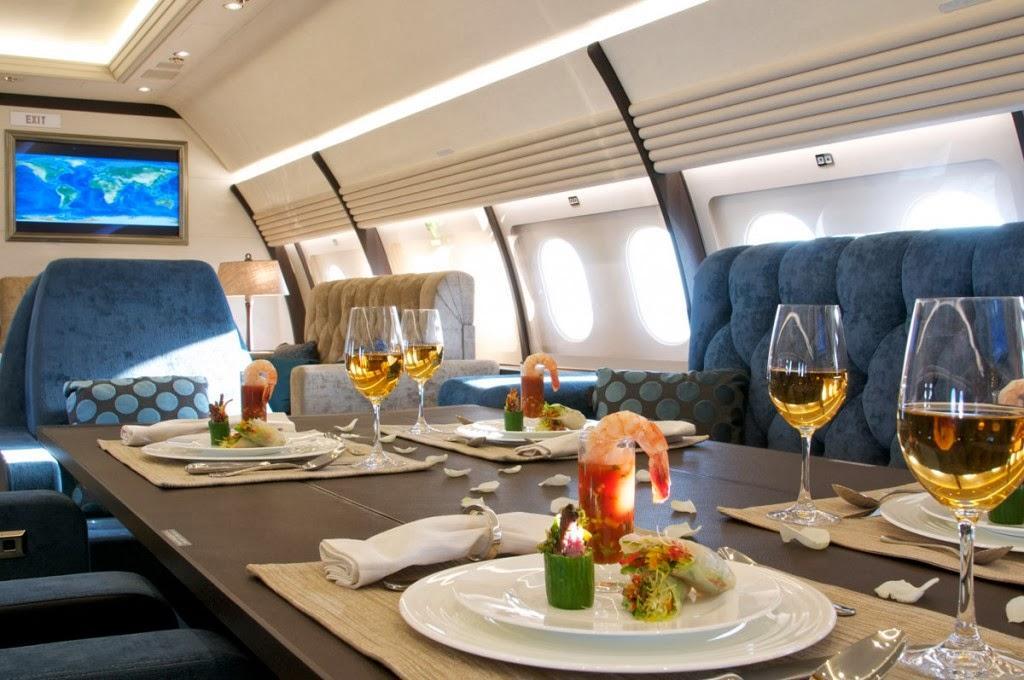
Private jet flight attendants are essential to providing a high level of service onboard private jets. They are responsible for ensuring that passengers have a comfortable and enjoyable flight, from preparing meals to handling special requests. The salary for a private jet flight attendant can vary based on several factors, including experience, employer, and the type of aircraft.
1. Base Salary for Private Jet Flight Attendants
The base salary for private jet flight attendants typically ranges between $40,000 and $70,000 per year. However, those working for high-profile clients, luxury charter services, or corporations may earn salaries of $100,000 or more, particularly if they work on large or ultra-luxury jets.
The salary range can vary depending on the size of the aircraft, the level of service required, and the experience of the flight attendant. Flight attendants on larger aircraft or with high-profile clients are expected to provide more customized service, which justifies the higher pay.
2. Factors That Affect Flight Attendant Salaries
Several factors can influence a private jet flight attendant’s salary, including:
- Experience: Experienced flight attendants who have worked on private jets for years typically earn more than those just entering the industry. Their experience allows them to provide a higher level of service and adapt to passengers’ unique needs more efficiently.
- Clientele: Flight attendants who work with high-profile or celebrity clients often earn more due to the personalized nature of the service required. Additionally, flight attendants working for corporations with large private fleets may also earn higher salaries.
- Aircraft Type: Just as with pilots, the size and complexity of the aircraft can affect pay. Larger aircraft often require a larger crew, including more experienced flight attendants, which results in higher salaries.
3. Bonuses and Perks for Private Jet Flight Attendants
In addition to their base salary, private jet flight attendants often receive various bonuses and perks. These include:
- Tips: One of the most significant bonuses for private jet flight attendants is tips from passengers. Generous passengers often reward their flight attendants for exceptional service, and these tips can amount to thousands of dollars per flight.
- Travel Benefits: Many private jet companies provide travel benefits to their flight attendants, such as discounted flights and hotel stays. Flight attendants may also have the opportunity to travel to exotic destinations as part of their job.
- Health Insurance and Retirement Plans: Just like pilots, flight attendants typically receive health insurance, dental and vision coverage, and retirement benefits. These are important perks that make the job even more attractive.
Other Key Staff Members and Their Salaries
While pilots and flight attendants make up the core of private jet crews, other key staff members are also essential to providing an exceptional service experience. These include ground crew members, flight operations managers, and aviation technicians.
1. Ground Crew Salaries
Ground crew members are responsible for ensuring that the private jet is properly maintained and prepared for takeoff. Their duties may include refueling the aircraft, cleaning it, and ensuring that all necessary equipment is on board. Ground crew salaries generally range from $40,000 to $60,000 per year, with higher earnings potential for more experienced crew members and those working for large companies.
2. Aviation Technicians and Mechanics
Aviation technicians and mechanics are responsible for the maintenance and repair of private jets. These professionals are highly skilled and ensure that the aircraft remains airworthy at all times. Salaries for aviation technicians range from $50,000 to $80,000 per year, with senior-level technicians earning more depending on their expertise and the complexity of the aircraft they work on.
3. Flight Operations Managers
Flight operations managers oversee the entire flight crew and ensure that everything runs smoothly before, during, and after a flight. Their responsibilities include managing flight schedules, coordinating logistics, and making sure that all safety protocols are followed. Salaries for flight operations managers typically range from $70,000 to $120,000 per year, depending on experience and the size of the company they work for.
Benefits of Working in Private Jet Aviation
Working in private aviation comes with several benefits, beyond the competitive salaries. These include:
- Exclusive Travel Opportunities: Private jet crew members often have the opportunity to travel to exotic and luxurious destinations. This makes the job incredibly appealing to those who enjoy exploring new places.
- Networking Opportunities: Working with high-profile clients can provide valuable networking opportunities for those in the industry, potentially opening doors to other roles or career advancements.
- Professional Development: The aviation industry offers ample opportunities for professional growth. Crew members can gain additional certifications, attend training sessions, and develop specialized skills that improve their career prospects.
Conclusion
Private jet crews, including pilots, flight attendants, and other key staff members, enjoy competitive salaries and generous benefits packages. The high demand for luxury travel and personalized service means that crew members are compensated well for their expertise, experience, and dedication to creating a first-class experience for passengers. With salaries that range from $40,000 for flight attendants to over $200,000 for experienced pilots, along with bonuses, tips, and travel benefits, working in private aviation offers an attractive career path for those who are passionate about the industry.