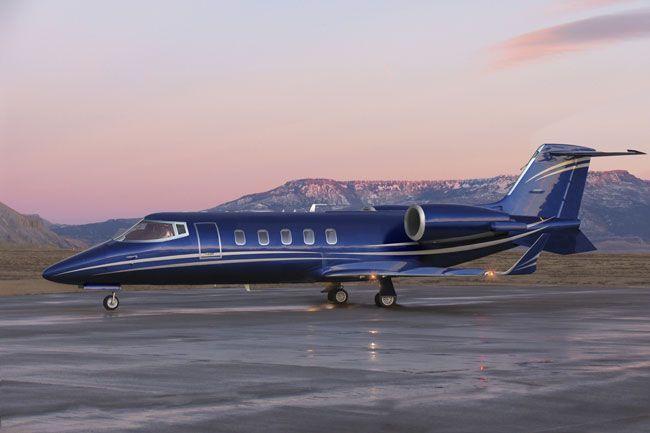
As the aviation industry continues to evolve, so too do the technologies that ensure the safety, efficiency, and longevity of aircraft. One of the most exciting advancements in recent years is the development of self-healing aircraft skins. This cutting-edge technology, which is beginning to make its way into the world of private jets, promises to revolutionize aircraft durability, reducing the need for constant maintenance and repairs while enhancing overall safety.
Self-healing materials have been gaining significant attention in various industries due to their ability to automatically repair damage, extending the lifespan of products and minimizing downtime. In the context of aviation, this technology could prove to be a game-changer, allowing private jet owners and operators to enjoy more reliable, cost-effective, and efficient flights. By incorporating self-healing materials into aircraft skins, manufacturers are improving the durability and performance of jets, paving the way for a new era of aviation.
Understanding Self-Healing Materials in Aircraft Skins
Self-healing materials are designed to autonomously repair damage that occurs during regular use. These materials can detect cracks, scratches, or other forms of damage and initiate a healing process to restore the integrity of the material without human intervention. In aircraft, self-healing materials can be particularly useful in addressing minor damages to the exterior surfaces, or skins, of the aircraft, which are subject to constant wear and tear during flight.
The concept of self-healing aircraft skins is based on the development of specialized materials that possess the ability to react to damage and automatically repair themselves. These materials are typically embedded with microcapsules or self-healing agents, which are activated when the material is damaged. When a crack or scratch occurs, the healing agent is released and fills the damaged area, effectively repairing the skin and restoring its original properties.
How Self-Healing Aircraft Skins Work
The technology behind self-healing aircraft skins relies on the combination of specialized materials and intricate design processes. There are two main approaches used in the development of self-healing materials for aviation:
- Microcapsule-Based Healing Agents
In this approach, the aircraft skin is embedded with tiny microcapsules containing healing agents. These microcapsules are distributed throughout the skin material, ready to be activated when the surface is damaged. When a crack or scratch occurs, the microcapsules break open, releasing the healing agent into the damaged area. The agent then reacts with the surrounding material, bonding the cracked or scratched area and restoring the skin’s structural integrity. The process can occur without the need for human intervention, making it an efficient and automated solution to minor damage.
- Polymeric Healing Materials
Another approach to self-healing aircraft skins involves the use of polymeric materials, which can repair themselves by using chemical reactions. These materials have a unique molecular structure that allows them to respond to damage by undergoing a chemical process that heals the material. When a crack or damage occurs, the polymer chains within the material can reorganize and fuse together, effectively sealing the break and restoring the material’s strength. This method is highly effective at repairing small cracks and scratches in the aircraft skin, providing long-term durability.
Both approaches rely on the idea of autonomous repair, allowing the material to function without the need for human intervention. By incorporating these self-healing materials into the aircraft skin, manufacturers can enhance the durability and performance of private jets while reducing the likelihood of significant damage that could compromise the safety of the aircraft.
Advantages of Self-Healing Aircraft Skins for Private Jets
- Reduced Maintenance Costs
One of the most significant advantages of self-healing aircraft skins is the potential to reduce maintenance costs. Traditionally, aircraft owners and operators must schedule regular inspections to identify and address minor damage to the aircraft’s exterior. These inspections often require downtime for repairs, which can be costly and inconvenient, especially for private jet owners who rely on their aircraft for frequent travel.
With self-healing materials, minor damage can be automatically repaired without the need for costly repairs or extensive downtime. This not only reduces the overall maintenance costs but also minimizes the need for frequent inspections, allowing for more efficient operations and less disruption to flight schedules. For private jet owners, this could translate into significant savings over the lifetime of the aircraft.
- Improved Safety
The durability and integrity of an aircraft’s exterior are critical to its overall safety. Even small cracks or damage to the aircraft skin can lead to structural weaknesses, potentially compromising the safety of the flight. Self-healing materials help to address this issue by ensuring that minor damages are automatically repaired before they have the chance to cause more significant problems.
By maintaining the strength and integrity of the aircraft skin, self-healing materials enhance the overall safety of private jets, reducing the risk of failure due to undetected damage. This is especially important for private jet owners who often travel long distances and rely on the safety and reliability of their aircraft.
- Extended Lifespan
Self-healing aircraft skins contribute to the overall longevity of private jets. By reducing the effects of wear and tear on the aircraft exterior, these materials help to maintain the structural integrity of the aircraft for a longer period of time. Minor scratches and dents, which would typically require repairs, are automatically addressed, extending the lifespan of the aircraft.
This can be particularly beneficial for private jet owners who want to preserve the value of their aircraft over time. With self-healing materials, private jets can remain in excellent condition for longer, increasing their resale value and reducing the need for costly overhauls.
- Increased Efficiency
Self-healing aircraft skins also contribute to the overall efficiency of private jets. By reducing the frequency of repairs and maintenance, aircraft operators can focus more on the operational aspects of the jet, such as scheduling, flight planning, and passenger service. Additionally, because the skins are self-repairing, the aircraft can maintain optimal performance, reducing the risk of issues that could affect the jet’s aerodynamics or fuel efficiency.
By improving efficiency, self-healing materials help private jet owners get the most out of their investment, ensuring that their aircraft is always in top condition and ready for travel at a moment’s notice.
- Environmental Benefits
Another important advantage of self-healing aircraft skins is their potential to reduce the environmental impact of aviation. Traditional aircraft maintenance often involves the use of chemicals and materials that can be harmful to the environment. Additionally, repairs and replacements can generate significant waste, which contributes to the growing problem of aviation-related pollution.
Self-healing materials reduce the need for frequent repairs and replacements, minimizing waste and lowering the demand for resources used in traditional maintenance processes. By extending the lifespan of the aircraft and reducing the need for additional materials, self-healing skins contribute to a more sustainable approach to aviation.
The Future of Self-Healing Aircraft Skins
The development of self-healing aircraft skins is still in its early stages, but it holds tremendous promise for the future of private jet durability. As research and development in this area continue to advance, we can expect even more sophisticated and effective self-healing materials to emerge. Future innovations may include the integration of self-healing technologies with other cutting-edge advancements, such as smart coatings and AI-driven monitoring systems, to create even more advanced, efficient, and durable aircraft.
In the coming years, self-healing aircraft skins are likely to become a standard feature in private jets, providing owners with a more cost-effective, safe, and environmentally friendly way to maintain their aircraft. As these materials become more widely adopted, the aviation industry will continue to evolve, with durability and efficiency taking center stage in the quest for better, more sustainable private jet travel.
Conclusion
The advent of self-healing aircraft skins marks a significant milestone in the evolution of private jet durability. By leveraging advanced materials and cutting-edge technologies, these systems offer numerous benefits, including reduced maintenance costs, improved safety, extended lifespan, and increased efficiency. As this technology continues to develop, self-healing materials will undoubtedly play a crucial role in shaping the future of aviation, offering a more sustainable, reliable, and luxurious experience for private jet owners. With these innovations, the aviation industry is set to enter a new era of durability and performance, where maintenance and repairs are a thing of the past, and the sky is the limit.