PrivateJetia Private Jet Fly 86
Long-haul flights can be a grueling experience, often stretching for hours or even days, causing passengers to suffer from fatigue, discomfort, and jet lag. For years, the aviation industry has struggled with the challenge of providing passengers with a comfortable and restful environment during these lengthy journeys. However, with the rise of innovative technologies and new designs, passengers now have access to a range of luxurious solutions that promise to revolutionize the long-haul flight experience. Among the most notable of these innovations are sleep pods, designed to transform the way passengers rest during their flights.
This article explores sleep pods and other cutting-edge technologies that are making long-haul flights more comfortable, restful, and enjoyable. From ergonomically designed seating to in-flight wellness solutions, these innovations ensure that passengers can arrive at their destination feeling rejuvenated and ready for their next adventure.
1. The Rise of Sleep Pods: A Game Changer for Long-Haul Flights
Sleep pods are one of the most significant innovations for long-haul flights. Designed to provide passengers with a private, comfortable space to sleep, sleep pods have gained popularity in recent years, especially on business and first-class flights. These pods are engineered to offer a restful sleep experience, eliminating the discomfort of traditional airline seats, which are often cramped and uncomfortable for extended periods.
1.1 What Are Sleep Pods?
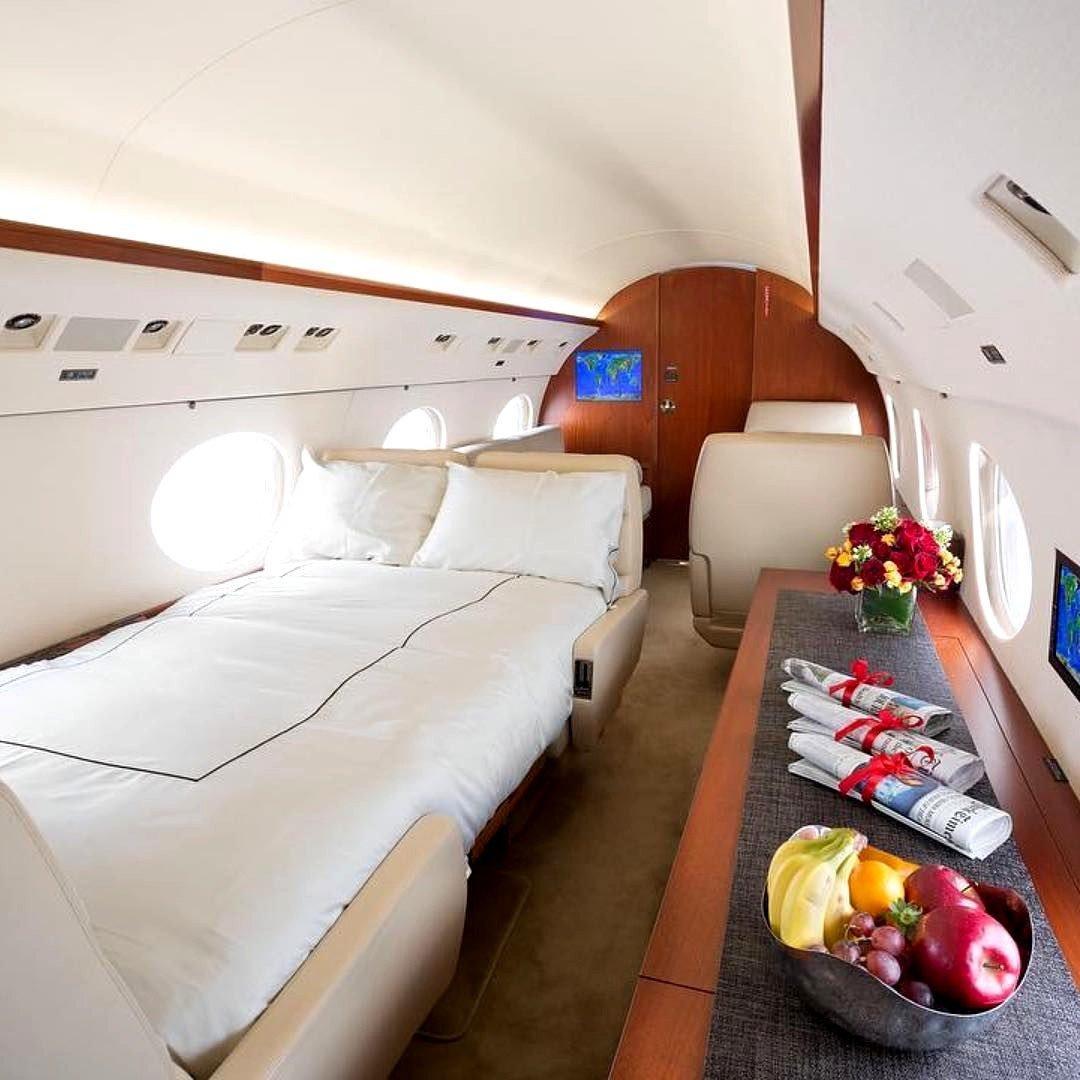
A sleep pod is essentially a fully enclosed, reclining unit that is designed to maximize comfort and minimize disturbances during long flights. These pods typically feature a lie-flat bed, personal lighting, adjustable temperature controls, and noise-canceling technology to ensure that passengers can sleep peacefully. Some pods even include personal entertainment systems, charging ports, and dedicated space for luggage.
What makes sleep pods particularly appealing is the ability to fully recline and maintain a neutral sleeping position, similar to a bed. Unlike traditional seats, which leave passengers contorting their bodies in uncomfortable positions, sleep pods provide an environment where passengers can rest without the common issues of back pain, stiff necks, or restless tossing and turning.
1.2 Benefits of Sleep Pods on Long-Haul Flights
The primary benefit of sleep pods is their ability to improve sleep quality during long flights. Research has shown that a good night’s sleep is essential for maintaining physical and mental well-being, and the importance of sleep during long-haul travel cannot be overstated. Sleep pods provide an environment that minimizes distractions, supports the body’s natural sleep rhythms, and enhances comfort, allowing passengers to feel more rested and refreshed when they reach their destination.
In addition to better sleep, sleep pods also offer enhanced privacy. While traditional business class seats often come with partitions or screens, sleep pods are fully enclosed, ensuring that passengers can sleep without the concern of others disrupting their rest. The increased privacy and quiet atmosphere also contribute to reduced stress and a greater sense of relaxation.
1.3 Key Features of Sleep Pods
- Lie-Flat Beds: The ability to lie flat is one of the most important features of a sleep pod. This feature allows passengers to rest in a position similar to lying in a bed, reducing the discomfort associated with sitting upright for long periods.
- Privacy and Soundproofing: Sleep pods are often designed with soundproofing technology, such as noise-canceling headphones, to block out the ambient noise of the airplane. This ensures that passengers can sleep in peace without the constant hum of engines or nearby conversations.
- Adjustable Temperature: To create the ideal sleeping environment, many sleep pods include adjustable climate control, allowing passengers to set the temperature to their comfort level.
- Personalized Lighting: Lighting can significantly impact the quality of sleep. Sleep pods are equipped with adjustable mood lighting that creates a calming atmosphere and promotes relaxation before sleep.
- Entertainment and Connectivity: Some sleep pods come with built-in entertainment systems, allowing passengers to watch movies, listen to music, or stay connected via Wi-Fi or USB ports during their flight.
2. In-Flight Comfort Enhancements: Beyond the Sleep Pod
While sleep pods are one of the most significant innovations, there are many other technologies and designs that enhance comfort during long-haul flights. These innovations focus on improving various aspects of the flying experience, from seating and cabin design to wellness programs and personal amenities.
2.1 Ergonomically Designed Seats
Traditional airplane seats are often uncomfortable for long-haul flights, with limited adjustability and inadequate support for the body. As passengers spend extended periods seated, the lack of ergonomic support can result in discomfort and fatigue. To address this issue, many airlines have introduced ergonomically designed seats that offer greater adjustability, lumbar support, and cushioning to provide a more comfortable experience.
These seats are designed to support the body in a more natural position, reducing pressure on key areas such as the lower back, neck, and thighs. With added features like built-in lumbar support, footrests, and adjustable armrests, passengers can enjoy a more comfortable journey, whether they are sitting, reclining, or sleeping.
2.2 Premium Class Amenities
For passengers flying in business or first class, airlines have introduced numerous amenities that further enhance comfort and convenience. These amenities often include:
- Lounge Access: Premium passengers can enjoy access to exclusive airport lounges, where they can relax, enjoy gourmet meals, and freshen up before their flight.
- Priority Boarding: To minimize waiting times and avoid long lines, many airlines offer priority boarding for premium passengers, allowing them to board the aircraft first and settle into their seats comfortably.
- Exclusive Restrooms: Business and first-class cabins often feature private restrooms designed for comfort and convenience, complete with luxurious amenities such as premium toiletries, hand towels, and plush seating.
2.3 Noise-Canceling Technology
In-flight noise is one of the major challenges faced by long-haul travelers, particularly for those trying to sleep. The constant hum of the engines, the sound of conversations, and other background noises can disrupt sleep and cause stress. To address this issue, many airlines have equipped their cabins with advanced noise-canceling technology, such as noise-reducing materials and noise-canceling headphones.
This technology works by blocking out low-frequency sounds, such as the hum of the engines, and reducing overall cabin noise levels. This creates a more peaceful environment for passengers, allowing them to sleep, work, or relax without distractions.
2.4 Wellness Programs and In-Flight Yoga
Long-haul flights can be taxing on the body, particularly when passengers experience discomfort from sitting in one position for an extended period. To help mitigate these effects, some airlines have introduced wellness programs that focus on physical well-being during the flight. These programs often include in-flight yoga sessions, guided stretching exercises, and relaxation techniques to help passengers relieve tension and improve circulation.
In addition to yoga, some airlines provide aromatherapy, calming music, and light therapy to enhance the relaxation experience. These wellness initiatives help reduce the physical and mental stress associated with long flights and ensure passengers feel more refreshed upon arrival.
2.5 Smart Cabin Features
The future of in-flight comfort is rapidly evolving with the introduction of smart cabin features. These features include advanced technology such as climate control systems that adjust the cabin temperature based on individual preferences, ambient lighting that simulates natural light to reduce jet lag, and in-seat controls that allow passengers to customize their environment for maximum comfort.
Smart cabins also incorporate biometric sensors to monitor passengers’ well-being and adjust the environment accordingly. For example, the cabin could adjust lighting and temperature based on a passenger’s activity, sleep cycle, or stress levels.
3. The Future of Long-Haul Flight Comfort: Innovations on the Horizon
The aviation industry continues to innovate, and the future promises even more exciting developments that will enhance the comfort of long-haul flights. Some of the emerging technologies and concepts include:
3.1 Fully Private Suites
In the future, airlines may introduce fully private suites designed to give passengers a personalized, luxurious flying experience. These suites would include a lie-flat bed, a private bathroom, and all the amenities of a high-end hotel room. With walls that can be raised or lowered for privacy, passengers can enjoy complete solitude and relaxation during their flight.
3.2 Advanced Sleep Technology
Sleep technology will continue to evolve, with new innovations aimed at improving sleep quality during flights. This could include features such as adjustable beds that monitor sleep patterns, customized sleep environments that optimize light and sound for the perfect rest, and advanced sleep aids that help passengers fall asleep quickly and stay asleep longer.
3.3 Zero-Gravity Seating
The concept of zero-gravity seating is gaining traction in the aviation industry. Inspired by NASA’s space program, zero-gravity seats are designed to simulate weightlessness, taking pressure off the spine and promoting ultimate relaxation. These seats may become a standard feature on long-haul flights, offering passengers a truly restful experience.
4. Conclusion
Innovations such as sleep pods, ergonomic seats, noise-canceling technology, and wellness programs are transforming long-haul flights into more comfortable and enjoyable experiences. As the aviation industry continues to push the boundaries of what’s possible, passengers can look forward to even more advanced technologies designed to make their journeys as restful and rejuvenating as possible. Whether through sleep pods or other comfort-enhancing solutions, the future of air travel promises a new era of luxury, relaxation, and innovation. For those embarking on long-haul flights, these innovations are helping to ensure that the journey itself becomes as enjoyable as the destination.