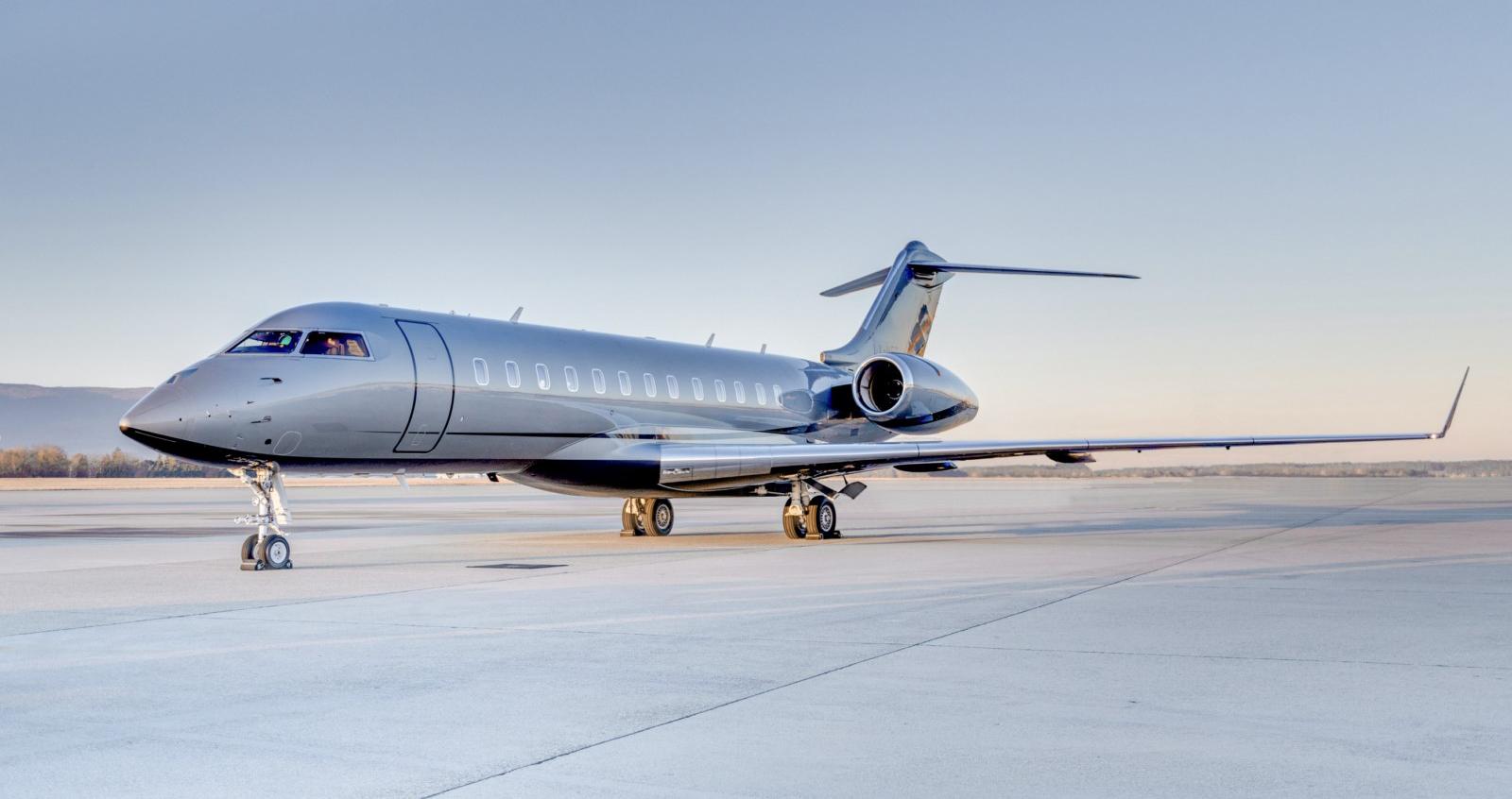
What Are Smart Jet Exteriors?
Smart jet exteriors are aircraft surfaces that are capable of adapting to changes in environmental factors such as temperature, air pressure, and humidity. Unlike traditional fixed exteriors, which remain static during the flight, these smart surfaces can change their properties in response to real-time data collected during the flight. The concept is grounded in advanced materials science, sensor technology, and AI-powered systems that enable the jet’s skin to modify its shape, structure, or texture based on external conditions.
The integration of these smart exteriors involves sophisticated technologies such as:
- Shape-Memory Materials: Materials that can change shape when subjected to specific stimuli, such as heat or pressure.
- Self-Healing Materials: Surfaces that can automatically repair minor damage, such as small cracks or scratches, without the need for manual intervention.
- Sensors and AI: A network of sensors embedded in the jet’s skin collects real-time data on environmental conditions. AI algorithms process this data to adjust the exterior accordingly.
How Do Smart Jet Exteriors Work?
Smart jet exteriors rely on a combination of materials and technologies to react to changing conditions in real-time. Below are some key components that enable this dynamic functionality:
- Active Shape Modification
Shape-memory alloys and polymers are among the primary materials used in smart exteriors. These materials can “remember” a specific shape and return to that shape when exposed to a trigger, such as a change in temperature or pressure. For example, if the aircraft experiences a change in altitude or external air pressure, the shape of the wing or fuselage could adjust to optimize aerodynamics. This flexibility could lead to smoother, more efficient flights, as the aircraft would be able to modify its surface to suit different conditions.
- Pressure and Temperature Adaptation
As the jet ascends, it encounters changes in atmospheric pressure and temperature. Smart exteriors could use embedded sensors to measure these variations and make instant adjustments to the aircraft’s surface. For instance, the exterior could stiffen or soften in response to pressure changes, optimizing the aircraft’s performance at different altitudes. This could lead to improved fuel efficiency, better handling, and reduced wear and tear on the aircraft over time.
- Self-Healing Capabilities
One of the most promising features of smart jet exteriors is their ability to self-heal. Minor damages caused by turbulence, debris, or the stress of flight could be automatically repaired by the materials used in the jet’s skin. For example, materials that contain microcapsules of healing agents could release these agents when cracks or scratches are detected, filling in the damage and restoring the surface’s integrity. This technology would reduce maintenance needs and potentially increase the longevity of the aircraft.
- Environmental Interaction and Energy Efficiency
The smart jet exterior can be designed to interact with its surroundings in a way that minimizes fuel consumption. For example, by altering the surface texture, the jet could reduce drag or increase lift depending on the conditions. In high-pressure areas, the surface could become more rigid to handle stress, while in low-pressure areas, it could become more flexible, providing better aerodynamics and reducing fuel consumption. These real-time adjustments could lead to more efficient flights, both in terms of fuel usage and speed.
Benefits of Smart Jet Exteriors
- Improved Fuel Efficiency
One of the most significant benefits of smart jet exteriors is their potential to improve fuel efficiency. By adjusting the aircraft’s surface to optimize aerodynamics, these smart exteriors can reduce drag and improve lift, leading to more efficient fuel consumption. As fuel is one of the most significant operating costs for private jets, this improvement would lead to considerable savings in the long run. Additionally, the ability to adapt to different altitudes and climates could further optimize fuel usage, allowing for more efficient flights regardless of the conditions.
- Enhanced Performance and Handling
With the ability to adjust to changes in pressure and temperature, smart exteriors could improve the jet’s performance and handling. For instance, at higher altitudes, where air pressure is lower, the jet’s exterior could adjust to maintain optimal aerodynamics, ensuring stable flight even in challenging conditions. On turbulent flights, the exterior could change to enhance stability and comfort, making the flight smoother for passengers.
- Reduced Maintenance Costs
The self-healing capabilities of smart exteriors could significantly reduce maintenance costs. Instead of requiring frequent repairs for minor damage, the materials would automatically repair themselves, reducing the need for costly and time-consuming maintenance. Additionally, the ability to adapt to different conditions could help prevent wear and tear, leading to longer lifespans for the jet’s exterior surfaces.
- Better Passenger Comfort
Smart jet exteriors are not just about efficiency, they can also improve passenger comfort. For example, the adjustments made to the aircraft’s exterior in response to external conditions could result in a smoother and more comfortable flight. This could reduce the effects of turbulence, improve the cabin’s pressure and temperature consistency, and create a more pleasant in-flight environment.
- Environmental Impact
With increasing pressure on industries to reduce their carbon footprint, the aviation sector is also looking for ways to make air travel more sustainable. Smart exteriors could contribute to this by improving fuel efficiency and reducing the overall environmental impact of private jets. More efficient fuel usage means fewer emissions, and the self-healing materials could reduce the need for wasteful replacements or repairs. Additionally, by optimizing aerodynamics, these exteriors could reduce the amount of energy needed to keep the jet airborne.
Applications in Private Jets
Smart jet exteriors would have a particularly significant impact on private jets, where the demand for luxury, efficiency, and personalized experiences is high. Here are a few specific applications in private aviation:
- Tailored Flight Experience
Private jet owners value comfort and customization, and smart jet exteriors could add a new level of personalization to the flying experience. With these exteriors, the aircraft could adapt to changing weather conditions, improving both the comfort and performance of the flight. The ability to adjust the aircraft’s surface in real-time would make flights more efficient, stable, and comfortable for passengers.
- Luxury with Efficiency
In addition to offering high-end luxury amenities, private jets are increasingly focusing on efficiency and sustainability. Smart exteriors would allow for private jets to be more fuel-efficient, reducing operational costs and the environmental footprint while still delivering the premium flying experience that passengers expect.
- Innovative Design for Aesthetics and Functionality
The design of smart jet exteriors would not only focus on function but also on aesthetics. Aircraft designers could experiment with innovative, sleek designs that not only serve a practical purpose but also provide a visually stunning experience. The adaptability of these surfaces could create jets that are as beautiful as they are efficient.
Challenges and Considerations
While the potential of smart jet exteriors is vast, there are several challenges that need to be addressed before they can become a mainstream feature in private jets:
- Technological Integration
Incorporating advanced materials, sensors, and AI algorithms into the exterior of a jet requires sophisticated engineering and integration. The technologies must work seamlessly with existing systems on the aircraft, ensuring that they do not interfere with performance or safety.
- Cost
The development and implementation of smart jet exteriors are likely to be expensive due to the advanced materials and technology involved. This could make the initial cost of the aircraft higher, although long-term savings in fuel efficiency and maintenance may offset these costs over time.
- Regulatory and Safety Standards
As with any new technology in aviation, smart jet exteriors must undergo rigorous testing and certification processes to ensure they meet safety standards. Regulatory bodies would need to evaluate these technologies thoroughly before they can be implemented in commercial aircraft.
Conclusion
Smart jet exteriors that can adjust to climate and pressure in real-time represent an exciting leap forward in the world of aviation. These innovative surfaces promise to enhance performance, improve fuel efficiency, reduce maintenance costs, and provide a more comfortable flying experience for passengers. As the technology matures and becomes more widely adopted, it could redefine the way private jets are designed, offering a new level of efficiency, luxury, and environmental sustainability. While challenges remain, the potential benefits of smart jet exteriors are clear, making them a key feature in the future of private aviation.