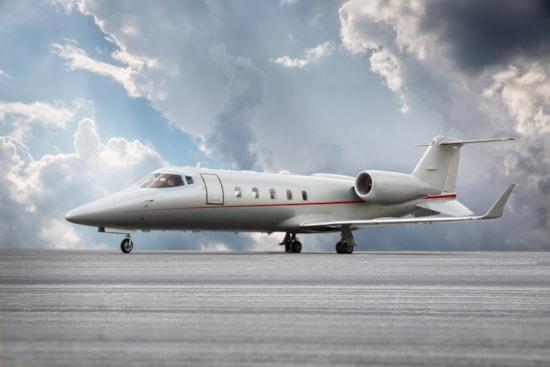
The luxury of flying aboard a private jet has long been associated with comfort, convenience, and privacy. However, even with the highest standards of aviation service, a common issue that affects all passengers is the variability in cabin comfort during flights. Temperature fluctuations, humidity levels, and overall air quality can differ significantly across the cabin, leading to discomfort, especially on long-haul flights. To address this issue, AI-based personalized climate zones are now being integrated into smart private jets, offering a revolutionary way to enhance in-flight comfort by tailoring the cabin environment to the individual preferences of each passenger.
The Problem with Traditional Cabin Climate Control
In traditional commercial and private jets, the cabin temperature is usually set at a uniform level to accommodate all passengers. While this approach is suitable for many, it does not always meet the needs of everyone aboard. For instance, one passenger may feel too cold, while another may be too warm. These discrepancies can lead to discomfort, disrupting the flight experience.
Moreover, factors like humidity and air quality also play a significant role in comfort. Low humidity levels in airplane cabins can cause dry skin, dehydration, and discomfort, while poor air quality can lead to feelings of fatigue and irritability. In private jets, where passengers expect the highest levels of service, traditional climate control methods may fall short in providing the ideal environment for everyone onboard.
How AI-Based Personalized Climate Zones Work
AI-powered personalized climate zones in private jets are designed to resolve these issues by using advanced technologies that adapt the cabin’s environment to the needs of each individual passenger. This system uses a combination of sensors, data analytics, and machine learning algorithms to create a dynamic and highly responsive climate control system customized to each passenger’s unique preferences.
- Sensors for Real-Time Data Collection
The first step in creating a personalized climate zone is gathering real-time data from various sensors located throughout the cabin. These sensors monitor temperature, humidity, and air quality in different sections of the cabin, allowing the system to create a comprehensive map of the environment. In addition to environmental data, the system also collects information about passenger preferences, such as preferred temperature, lighting, and humidity levels, which can be entered via an app or a control panel.
- AI-Driven Data Processing
Once the data is collected, AI algorithms analyze it to identify patterns and trends in each passenger’s climate preferences. Using machine learning, the system becomes smarter with each flight, learning from past data and making more accurate adjustments to the cabin environment in real-time. This data-driven approach allows for a hyper-personalized climate experience that adapts to the needs of each individual.
For instance, if a passenger prefers a slightly cooler environment, the system will adjust the temperature around their seat without affecting the rest of the cabin. Similarly, if another passenger is sensitive to humidity levels, the AI can optimize the air moisture to ensure they feel comfortable. The system can even adjust the air filtration settings based on individual preferences, ensuring that the air quality is just right for every passenger.
- Individualized Climate Zones
The real innovation in AI-based personalized climate zones is the ability to create individualized zones within the cabin. Each seat or group of seats can be assigned a personalized climate setting based on the passenger’s preferences. This means that, rather than adjusting the entire cabin temperature to suit one person, the climate control system can adjust each zone independently.
For example, one passenger sitting near the window might prefer a cooler environment due to sunlight exposure, while another passenger seated in the middle of the cabin might prefer a warmer setting. The AI system automatically adjusts the temperature, humidity, and air quality around each passenger to create a more comfortable and enjoyable flight experience for everyone.
- Predictive Adjustments
AI-powered systems also offer the advantage of predictive adjustments. Based on historical data and real-time sensors, the system can predict changes in the cabin environment. For instance, if the system detects that a certain section of the cabin is likely to heat up due to sunlight or changes in altitude, it can proactively adjust the temperature before passengers even notice a shift. This level of foresight ensures that the cabin environment remains stable and comfortable throughout the flight.
- User Interface and Control
While the AI system works autonomously to adjust climate settings, passengers can still take control through a simple interface. Most private jets equipped with personalized climate zones allow passengers to adjust their settings via a touchscreen panel or mobile app, giving them the ability to fine-tune their environment. This feature empowers passengers to have a direct influence on their comfort level, while still benefiting from the AI’s automation.
The Benefits of AI-Based Personalized Climate Zones in Private Jets
The introduction of AI-powered personalized climate zones in private jets has numerous benefits, both for passengers and operators.
- Enhanced Comfort and Satisfaction
The most significant benefit is the enhanced comfort of passengers. By customizing the cabin environment to meet the specific needs of each individual, private jets can offer a more pleasant, luxurious flying experience. Whether it’s adjusting the temperature, humidity, or air quality, passengers can enjoy a truly personalized experience that makes their flight more enjoyable and relaxing. For long-haul flights, this level of comfort can significantly reduce the fatigue and discomfort that often accompany extended time in the air.
- Health and Well-Being
Personalized climate zones also have a positive impact on passengers’ health and well-being. Adjusting humidity levels to reduce dryness and improving air quality can mitigate some of the common issues that passengers face on planes, such as dehydration, skin dryness, and respiratory discomfort. In addition, by allowing passengers to adjust the environment to their own preferences, AI systems can help prevent discomfort related to temperature fluctuations, which can contribute to fatigue and stress.
- Increased Productivity
For passengers flying for business, the ability to maintain an optimal environment can enhance productivity. With personalized climate settings, business travelers can create an atmosphere that helps them focus, whether that means a cooler temperature for concentration or a warmer setting for relaxation during rest periods. Additionally, the ability to regulate air quality can help minimize distractions, allowing passengers to remain productive throughout the flight.
- Energy Efficiency
AI-based climate control systems can also optimize energy efficiency by adjusting the cabin’s climate only where necessary. Instead of maintaining a uniform cabin temperature throughout the entire plane, the system can focus on heating or cooling specific zones, which leads to energy savings and more efficient use of the aircraft’s resources. Over time, this not only reduces the carbon footprint of the flight but also leads to cost savings for operators.
- Personalized Experience for Every Passenger
The ability to cater to individual preferences is a game-changer in the world of private aviation. Rather than relying on one-size-fits-all settings, AI-based personalized climate zones ensure that each passenger’s unique needs are met, providing a truly bespoke experience. This level of personalization sets private jets apart from commercial travel and elevates the standard of luxury air travel.
The Future of AI-Based Personalized Climate Zones
The potential for AI-driven personalized climate zones is vast, and the technology is still in its early stages of development. In the coming years, we can expect even more advanced features, including more granular control over the cabin environment, such as the ability to adjust lighting or air pressure. Furthermore, as AI algorithms improve, these systems will become even more intuitive and capable of anticipating passengers’ preferences before they are explicitly set.
In addition, the integration of wearable technology could further enhance the personalization of the in-flight experience. Passengers might be able to sync their personal health data with the jet’s climate control system, allowing the AI to adjust the environment based on their body temperature or stress levels in real-time.
Conclusion
AI-based personalized climate zones are revolutionizing the way passengers experience private jet travel. By offering individually customized environments based on real-time data and predictive analytics, these systems enhance comfort, health, and overall passenger satisfaction. Whether it’s creating the perfect temperature, managing humidity, or improving air quality, AI technology offers private jet passengers the ultimate luxury: an environment that adapts to their needs and preferences. As this technology continues to evolve, the future of private aviation looks even more promising, with personalized experiences becoming the new standard in air travel.